


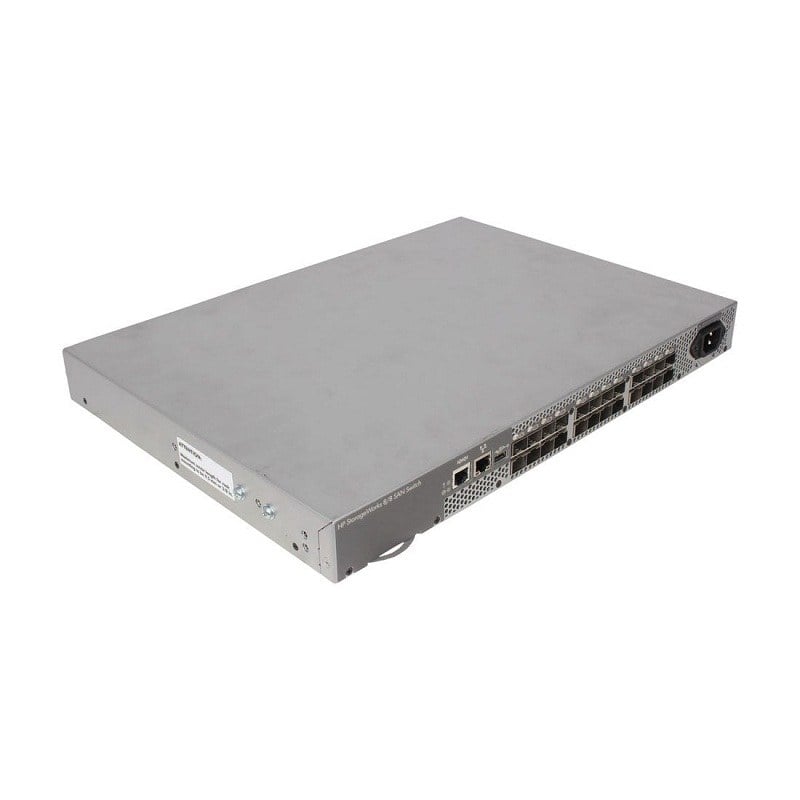

Description
The Benefits of a High-Performance Network
A high-performance network provides numerous benefits for organizations and businesses. Some of the key benefits of a high-performance network include:
- Increased productivity: A high-performance network allows for faster data transfer, which means employees can complete tasks faster and more efficiently.
- Better collaboration: With a fast and reliable network, remote employees and teams can easily collaborate and share information in real-time.
- Improved user experience: High-performance networks offer a better user experience for employees and customers alike. With faster access to information and applications, users can complete their tasks more quickly and with less frustration.
- Enhanced security: High-performance networks can also provide enhanced security through the use of advanced technologies such as firewalls and encryption.
- Increased profitability: By improving productivity and providing a better user experience, high-performance networks can also help organizations increase their bottom line.
- Future-proofing: High-performance networks are designed to accommodate future growth and changing technology needs, ensuring that organizations remain competitive and efficient.
- Scalability: High-performance networks are designed to be scalable, allowing organizations to easily add or remove resources as needed to meet their changing business needs.
Maximize Bandwidth
There are several ways to maximize bandwidth and improve network performance:
- Network optimization: Regular network optimization can help to improve bandwidth utilization by identifying and fixing bottlenecks. This can include reconfiguring network devices, adjusting network settings, and implementing quality of service (QoS) policies.
- Traffic shaping: Traffic shaping allows administrators to control the flow of network traffic, prioritize certain types of traffic, and reduce the impact of bandwidth-intensive applications on overall network performance.
- Caching: Implementing a caching solution can help to reduce the amount of bandwidth required to access frequently used data and applications, improving network performance and reducing latency.
- Compression: Compression techniques can be used to reduce the size of data packets, allowing more data to be transmitted over the network in a given amount of time.
- Upgrading hardware: Upgrading network hardware, such as switches and routers, can help to improve bandwidth utilization and reduce bottlenecks.
- Load balancing: Load balancing distributes network traffic evenly across multiple resources, helping to ensure that bandwidth is used efficiently and no single resource becomes overwhelmed.
- Monitoring and management: Regular monitoring and management of network performance can help to identify and resolve issues that may impact bandwidth utilization, such as network congestion or hardware failures.
By implementing these best practices, organizations can maximize their bandwidth utilization, improve network performance, and ensure a high-quality user experience for their employees and customers.
Scalable Networking Solutions
Scalable networking solutions are designed to grow and adapt to changing business needs over time. They offer a number of benefits, including:
- Flexibility: Scalable networking solutions can be easily expanded or contracted as needed, allowing organizations to add or remove resources as their business needs change.
- Cost-effectiveness: Scalable networking solutions can be more cost-effective than traditional networking solutions, as they allow organizations to only pay for the resources they need, rather than investing in infrastructure that may become underutilized.
- Improved reliability: Scalable networking solutions can provide improved reliability and availability, as they can automatically detect and respond to failures and bottlenecks.
- Scalable security: Scalable networking solutions can also provide scalable security, allowing organizations to easily add or remove security measures as needed to meet changing threat landscapes.
- Future-proofing: Scalable networking solutions are designed to accommodate future growth and changing technology needs, ensuring that organizations remain competitive and efficient over time.
Scalable networking solutions can be implemented through the use of cloud-based infrastructure, software-defined networking (SDN), or other technologies that allow for the virtualization and centralization of network resources. By choosing scalable networking solutions, organizations can ensure that their networking infrastructure can grow and evolve with their business, providing a foundation for long-term success.
General Information about this HPE 492294-001
- Manufacturer: HPE
- Part Number or SKU#
492294-001 - Device Type: Switch
Technical Information for HPE 24 Ports Switch
- Type: Switch 24 Ports
- Enclosure Type: Rack-Mountable-1U
- Ports : 24 X SFP
- Fibre Channel : Fc-al,
Fc-al-2, Fc-fg, Fc-fla, Fc-gs-2, Fc-ph, Fc-ph-2, Fc-ph-3, Fc-plda, Fc-sw, Fc-vi - Remote Management Protocol: Snmp, Telnet, Http
- Features: Full Duplex Capability, Auto-sensing Per Device, Manageable
Expansion / Connectivity of HPE Rack-mountable Switch
- Interfaces : 1 X 10base-T/100base-Tx-Rj-45-Management 1 X Rs-232-9 Pin D-Sub (Db-9)-Management 24 X SFP (Mini-Gbic)


