

Description
Maximize Bandwidth
Maximizing bandwidth on the JC101A HPE 5800-48G Switch can be achieved through several methods:
- Link Aggregation: Link aggregation allows multiple ports to be grouped together to form a single logical link. This increases the available bandwidth and provides redundancy, ensuring that the network remains available even if one of the physical links fails.
- Quality of Service (QoS): Quality of Service (QoS) allows administrators to prioritize different types of network traffic based on their importance. This ensures that critical applications and services receive the necessary bandwidth, preventing network congestion and ensuring that high-priority traffic is delivered smoothly.
- VLANs: By segmenting the network into different VLANs, it is possible to improve the use of available bandwidth by isolating network traffic and minimizing the impact of security breaches.
- Flow Control: The switch supports flow control which allows the switch to automatically slow down or stop the transmission of data from devices that are transmitting too fast. This can help prevent network congestion and make better use of available bandwidth.
- Port Speed and Duplex: Configuring port speed and duplex can also help to maximize bandwidth. It’s important to set the switch ports to the same speed and duplex as the connected devices, this way the switch can communicate with the devices at the highest possible speed.
- Firmware Upgrade: Keeping the switch firmware up-to-date can also help to improve performance, as new updates may include performance enhancements and bug fixes.
By implementing these techniques, administrators can ensure that their network is running at optimal performance and can quickly identify and resolve any issues that may be impacting network performance.
Introducing the High-Speed Switch
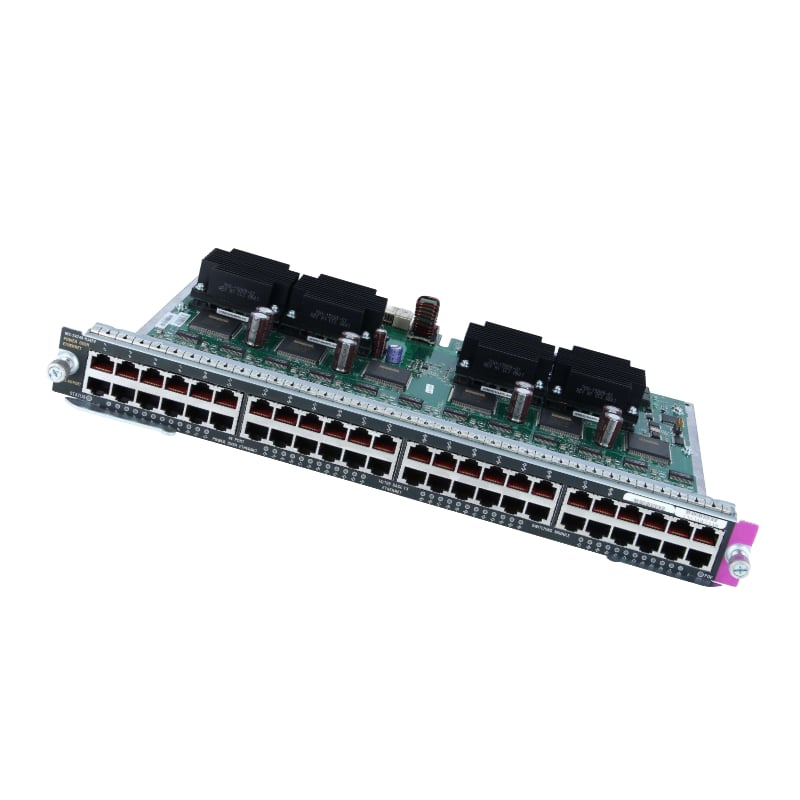
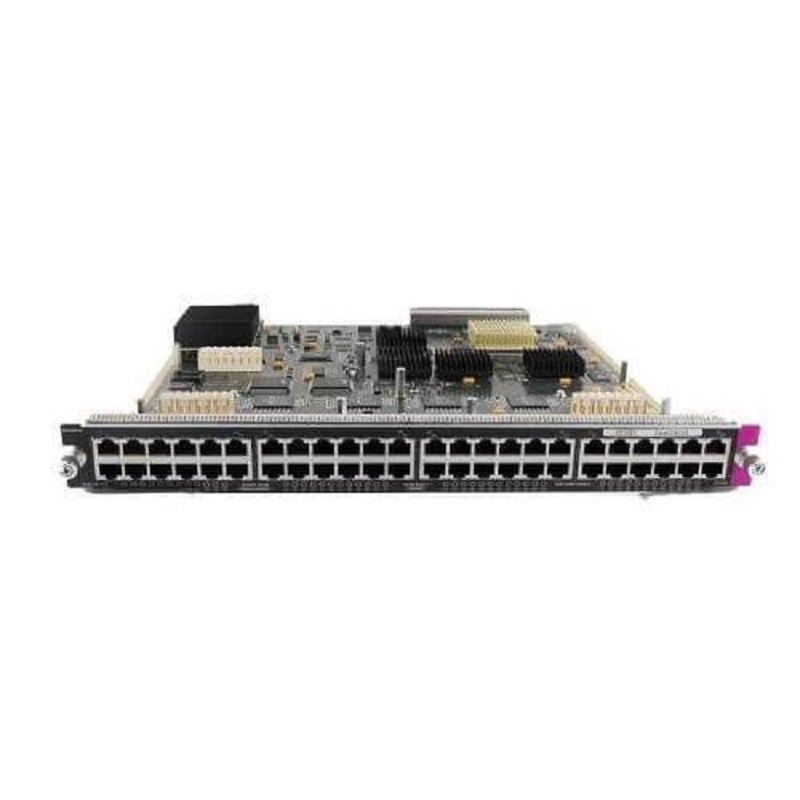
The JC101A HPE 5800-48G Switch is a high-speed, Layer 3 managed switch designed to provide reliable and scalable network connectivity for enterprise environments. It is equipped with 48 Gigabit Ethernet ports and 4 SFP connections, providing fast and reliable connectivity for devices such as servers, storage systems, and other network devices. The switch also offers advanced features such as Quality of Service (QoS), Link Aggregation, and VLANs, which allow administrators to optimize network performance and improve security.
One of the key features of the JC101A HPE 5800-48G Switch is its L3 management capabilities. This allows administrators to manage the switch at the network layer, providing advanced routing and switching features such as OSPF, BGP, and VRRP. This gives administrators more control over the network and allows them to create complex network topologies that can adapt to changing network conditions.
Additionally, the switch also comes with a Web-based management interface, which allows administrators to easily configure, monitor, and troubleshoot the switch from a web browser. This makes it easy to manage the switch remotely, reducing the need for administrators to physically access the switch.
Maximize Connectivity
Maximizing connectivity on the JC101A HPE 5800-48G Switch can be achieved through several methods:
- Link Aggregation: Link aggregation allows multiple ports to be grouped together to form a single logical link. This increases the available bandwidth and provides redundancy, ensuring that the network remains available even if one of the physical links fails.
- VLANs: By segmenting the network into different VLANs, it is possible to improve the use of available bandwidth by isolating network traffic and minimizing the impact of security breaches.
- Spanning Tree Protocol (STP): Spanning Tree Protocol (STP) helps to prevent network loops by identifying and blocking redundant links. This can help to improve network stability and reduce the risk of network outages.
- Port Mirroring: Port mirroring allows administrators to copy network traffic from one port and send it to another port for monitoring and analysis. This can help to identify and troubleshoot network issues more effectively.
- Quality of Service (QoS): Quality of Service (QoS) allows administrators to prioritize different types of network traffic based on their importance. This ensures that critical applications and services receive the necessary bandwidth, preventing network congestion and ensuring that high-priority traffic is delivered smoothly.
- Multicast: Multicast allows one device to send a single packet to multiple destinations. This reduces the overall traffic in the network and helps to improve the performance of multicast-enabled applications.
By implementing these techniques, administrators can ensure that their network is running at optimal performance and can quickly identify and resolve any issues that may be impacting network connectivity.
General Information about the HPE JC101A
- Manufacturer: HPE
- Part Number or SKU # JC101A
- Product Type: Networking Switch
Performance of 48 Ports Switch
- Device Type : Switch – 48 Ports – L3 – Managed
- Enclosure Type : – 2u
- Ports : 48 X 10/100/1000 + 4 X Sfp
- Remote Management Protocol : Snmp, Rmon, Telnet, Http, Cli
- Features : Syslog Support, Quality Of Service (qos)
- Compliant Standards : Ieee 802.1q, Ieee 802.1p
- Ram : 512 Mb – Sdram
Power
- Power Device : Power Supply – Plug-in Module
- Power Redundancy : Yes
- Voltage Required : Ac 120/230 V