



Description
Product Overview of the Avaya 700505992 Telephony
In today’s interconnected world, communication is the key to the success of any organization. Avaya, a leading telecommunications company, has introduced the Avaya 700505992 Internet Protocol (IP) Telephony and Power Over Ethernet (POE) 9641GS VoIP Phone, designed to meet the ever-growing communication needs of businesses. This article will provide an in-depth explanation of this powerful communication solution, including its key features, the concept of Internet Protocol Telephony, the role of Power Over Ethernet, the use of the Hypertext Transfer Protocol (HTTP), and the network protocols it employs. Internet Protocol Telephony, commonly known as IP Telephony or Voice over Internet Protocol (VoIP), is a technology that allows voice communication and multimedia sessions to be transmitted over the Internet and other IP networks. Unlike traditional telephony that relies on dedicated telephone lines, IP Telephony converts voice signals into data packets and transmits them over the internet. This technology has revolutionized communication by making it more affordable and versatile.
Benefits of IP Telephony Avaya
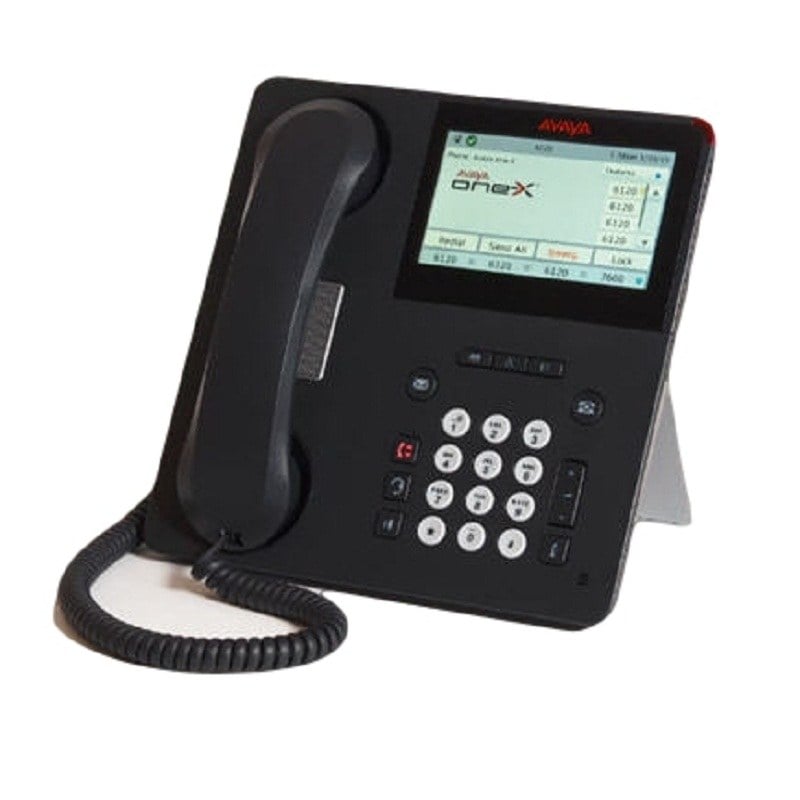
Avaya is a well-established player in the field of telecommunication, known for its innovative and reliable products. The Avaya 700505992 is a VoIP phone designed to leverage the advantages of IP Telephony. It’s equipped with a plethora of features that make it an excellent choice for businesses seeking a powerful and efficient communication solution.
Cost-Effective
IP Telephony is often more cost-effective than traditional phone systems. Long-distance calls are considerably cheaper, and businesses can reduce hardware and maintenance costs.
Flexibility
IP Telephony allows for greater flexibility in communication. Users can make and receive calls from any location with an internet connection, using their VoIP phone, computer, or mobile device.
Scalability
IP Telephony systems can be easily scaled to accommodate a growing business. Adding new lines or features is relatively simple.
Rich Features
IP Telephony systems typically come with a wide range of features, including call forwarding, voicemail, video conferencing, and more.
Power Over Ethernet of the Avaya Power Over Ethernet
Power Over Ethernet (POE) is a technology that allows both data and electrical power to be transmitted over Ethernet cables. In the context of telecommunications, POE enables devices like IP phones to receive power through the same cable that connects them to the network. This eliminates the need for separate power cables and simplifies installations.
POE offers several advantagesCost SavingsFewer cables mean lower installation and maintenance costs.Greater FlexibilityPOE allows for the placement of devices in locations without easy access to power outlets.Centralized Power ManagementPOE networks can be centrally managed, allowing for power control and monitoring.Integration of POE in Avaya 700505992
The Avaya 700505992 VoIP phone leverages POE technology to simplify its installation and operation. By utilizing POE, this phone can be easily deployed in various environments without the need for complex power management. POE-enabled VoIP phones like the Avaya 700505992 receive power from a network switch or a POE injector. This not only streamlines the installation process but also ensures an uninterrupted power supply, as the phone can draw power from the network infrastructure.
Avaya 700505992 9641GS VoIP Phone Features
The Avaya 700505992 VoIP phone boasts a wide range of features that enhance communication and user experience. Here are some of the key features:
High-Resolution Display
The phone features a high-resolution color display that provides clear and vibrant visuals. This is particularly useful for video conferencing and accessing applications that may be integrated with the phone.
Enhanced Audio Quality
The 700505992 is equipped with advanced audio technology, including high-definition audio, noise reduction, and echo cancellation. This ensures that calls are crystal clear, enhancing the overall communication experience.
Customizable User Experience
Users can personalize their experience with features like customizable soft keys and programmable buttons. This flexibility allows users to tailor the phone to their specific needs and preferences.
Video Collaboration
The Avaya 700505992 supports video collaboration, making it an ideal choice for businesses that rely on visual communication. Users can engage in video calls and conferences with ease.
Secure Communications
Security is a top priority for businesses. The Avaya 700505992 includes robust security features such as encryption and secure access to protect sensitive communication and data.
Role of the HTTP in Avaya 700505992HTTP
Hypertext Transfer Protocol (HTTP) is the foundation of data communication on the World Wide Web. It is an application layer protocol that enables the transfer of data between a web server and a web browser. HTTP is the protocol used for fetching resources such as HTML documents, images, and multimedia files over the internet.
Avaya 700505992 and HTTP
While HTTP is primarily associated with web browsers and web servers, it plays a role in VoIP phones like the Avaya 700505992. This is because many modern VoIP phones have built-in web servers for configuration and management. HTTP is used for accessing the phone’s web-based user interface, allowing administrators to configure settings, update firmware, and perform troubleshooting tasks.
HTTP in VoIP Phones
In the context of VoIP phones, HTTP serves as a user-friendly interface for phone management. It provides a web portal that can be accessed through a web browser, making it easy for administrators to control and configure various phone settings. This includes features like call forwarding, voicemail setup, and network configuration. HTTP also plays a role in providing software updates for VoIP phones. Manufacturers can use HTTP to deliver firmware updates, ensuring that the phone’s software is up-to-date with the latest features and security patches.
Avaya 700505992 Supported Network Protocols
The Avaya 700505992 VoIP phone is compatible with a range of network protocols to facilitate seamless communication. These protocols include:
Session Initiation Protocol
SIP is a signaling protocol used for initiating, maintaining, modifying, and terminating real-time sessions that involve video, voice, messaging, and other communication applications.
Transmission Control Protocol/Internet Protocol
TCP/IP is the fundamental protocol of the Internet. It facilitates end-to-end data communication by providing addressing, routing, and delivery functions.
User Datagram Protocol
UDP is a connectionless protocol that is often used for real-time applications like voice and video communication. It is suitable for applications where speed and efficiency are more critical than data integrity.
Dynamic Host Configuration Protocol
DHCP automates the configuration of network devices by assigning IP addresses and other network settings dynamically.
Real-time Transport Protocol
RTP is used for delivering audio and video over IP networks. It is crucial for ensuring real-time communication quality.
Virtual LAN
VLANs are used to segment a network into smaller, isolated segments to improve network management and security.
Quality of Service
QoS protocols help prioritize and manage network traffic, ensuring that real-time communication, such as VoIP, gets the necessary bandwidth and low latency.
By supporting these network protocols, the Avaya 700505992 VoIP phone ensures compatibility with a wide range of network environments and facilitates efficient and reliable communication.
General Information about the Avaya 700505992
- Manufacturer: Avaya
- Model Number or SKU# 700505992
- Product Type: Telephony
Technical information of the Avaya
- Key Expansion Module Max Qty : 3
- Dialer Type: Keypad
- Dialer Location : Base
- Conference Call Capability: Yes
- Speakerphone: Yes
- Caller ID: Yes
- Voice Mail Capability: Yes
- Call Forwarding: Yes
- Message Waiting Capability: Yes
- Menu Operation: Yes
- Function Buttons: Speakerphone Button, Directory Button, Headset Button, Mute Button
- Programmable Buttons Qty: 5
- Volume Control: Yes
- Ringer Control: Yes
- Indicators: New Message Indicator, Visual Ringer Light, Voice Message Waiting Indicator, Headset
- Additional Functions: Web Browser
Ip Telephony
- Main Features: Multiple Voip Protocol Support, Integrated Ethernet Switch,
- Power Over Ethernet (POE) Support
- VoIP Protocols: H.323, Sip
- Voice Codecs: G.711, G.722, G.729ab, G.726
- Network Protocols: HTTP
- Network Ports Qty: 2 X Ethernet 10base-t/100base-tx/1000base-t
- Compatible Software: AVAYA Communication Manager
- Network Features: Class 2 Poe
Phone Memory
- Phone Directory Capacity: 250 Names & Numbers
Display
- Type: Lcd Display – Color
- Display Location: Base
- Display Languages: Hebrew, Japanese (kanji), Chinese (simplified), Brazilian Portuguese, Japanese (hiragana), English, German, French, Italian, Russian, Spanish, Dutch, Arabic, Korean, Japanese (katakana), Spanish (neutral)
- Features: Lcd Touch Screen
In summary, in the modern business landscape, efficient communication is essential for success. The Avaya 700505992 Internet Protocol Telephony and Power Over Ethernet 9641GS VoIP Phone provides a comprehensive solution that combines the benefits of IP Telephony, Power Over Ethernet, advanced features, and support for essential network protocols. Its high-resolution display, enhanced audio quality, customization options, video collaboration capabilities, and robust security features make it a valuable asset for businesses looking to optimize their communication infrastructure.
By understanding the concepts of IP Telephony, Power Over Ethernet, HTTP, and network protocols, you can appreciate how the Avaya 700505992 VoIP phone integrates these technologies to deliver a seamless and efficient communication experience. As businesses continue to evolve and expand, having a reliable and versatile communication solution like the Avaya 700505992 becomes increasingly critical for staying competitive and connected in the digital age.


