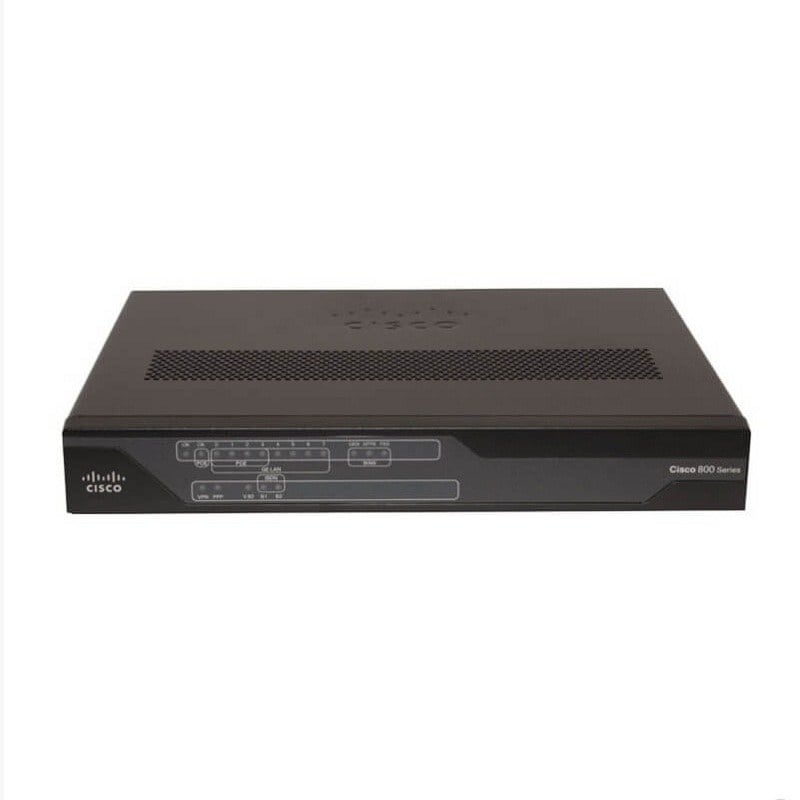


Description
Performance and Throughput Capabilities
The Cisco ASR 901 Router (model number A901-4C-F-D) is a high-performance networking device that is designed for use in enterprise networks. One of the key features of this router is its high throughput capabilities, which allow it to process and transmit large amounts of data quickly and efficiently.
The A901-4C-F-D model is equipped with four Gigabit Ethernet (GE) ports, which provide high-speed connectivity for devices on the network. This allows the router to handle large amounts of data traffic, making it well-suited for use in high-bandwidth environments such as data centers and other enterprise networks.
Additionally, the router is designed to support advanced routing capabilities, which allows it to process and forward data packets quickly and efficiently. This can help to reduce network congestion and improve overall network performance.
The router also includes Quality of Service (QoS) and traffic management features, which can be used to prioritize and manage network traffic. This can help to ensure that critical applications and services receive the bandwidth they need to operate effectively.
The Cisco ASR 901 Router also has a high-performance CPU and memory, which helps to improve its overall performance and throughput. This is particularly useful in high-demand environments, where the router needs to process large amounts of data quickly.
Power and Energy Efficiency
The Cisco ASR 901 Router (model number A901-4C-F-D) is designed to be energy efficient to help reduce power consumption and operating costs.
One way the router is designed to be energy efficient is through its power supply. The router is equipped with an internal power supply that can operate on different voltage levels, depending on the region it is being used in. This allows the router to consume less power when it is running, which can help to reduce energy costs over time.
Another way the router is designed to be energy efficient is through its power management features. The router includes features such as power saving modes and automatic power-down functionality, which can be used to conserve power when the router is not in use. This can help to reduce energy consumption and prolong the life of the router’s internal components.
The router also includes features such as advanced Quality of Service (QoS) controls, which can be used to prioritize and manage network traffic. This can help to reduce the amount of power consumed by the router, as it will not have to work as hard to process and transmit data.
In addition, the router is designed to be compact and lightweight, making it easy to deploy in a variety of environments. This compact design also helps to reduce the amount of energy consumed by the router, as it will not require as much cooling to operate effectively.
Best Practices for Deployment and Maintenance
The Cisco ASR 901 Router (model number A901-4C-F-D) is a high-performance networking device that is designed for use in enterprise networks. To ensure that the router is deployed and maintained correctly, it is important to follow best practices for both deployment and maintenance.
When deploying the router, it is important to choose a location that is physically secure and has adequate ventilation. The router should also be positioned in a location that is easily accessible for maintenance and troubleshooting.
It is also important to properly configure the router for the specific network environment it will be used in. This includes setting up the correct IP addressing scheme, configuring the correct routing protocols, and setting up any necessary security features.
In terms of maintenance, it is important to keep the router’s firmware and software up-to-date to ensure that it is running the latest version and is protected against any known vulnerabilities. Regularly monitoring the router’s performance and troubleshooting any issues that arise can also help to ensure that the router is operating correctly and effectively.
It is also important to regularly back up the router’s configuration so that it can be easily restored in case of a failure or other issue. This can be done through the router’s built-in backup and restore functionality or by using a network management system.
It is also important to periodically check the physical condition of the router, such as the cables, power supply and fans. This can help to identify any potential issues before they become major problems.
Key Feature about this Cisco A901-4C-F-D
- Manufacturer Cisco
- Part Number or SKU# A901-4C-F-D
- Product Series ASR 901
- Product Model ASR 901-4C-F-D
- Product Name ASR 901 Series Aggregation Services Router Chassis
- Product Type Router
Interfaces/Ports of Cisco ASR 901 Series Router
- Total Number of Ports 8
- Powerline No
- Management Port Yes
- Token Ring Port No
- Serial V.35 Interface No
- Number of Network (RJ-45) Ports 8
I/O Expansions of Cisco 8 Ports Router
- Number of Total Expansion Slots 8
- Expansion Slot Type SFP (mini-GBIC)
Network & Communication of Cisco Router
- Network Technology 10/100/1000Base-T
- Ethernet Technology Gigabit Ethernet
Management & Protocols
- Security Features –
- RADIUS
- TACACS+
- Secure Shell v.2 (SSH2)
- Layer 3 ACLs
Memory
- Standard Memory 512 MB
- Memory Technology DDR3 SDRAM
- Flash Memory 128 MB
Power Description
- PoE (RJ-45) Port No
- Redundant Power Supply Supported Yes
Dimension and Weight
- Compatible Rack Unit 1U
- Form Factor Rack-mountable
- Height 1.7 Inch
- Width 17.5 Inch
- Depth 8.3 Inch
- Weight (Approximate) 6.80 lbs