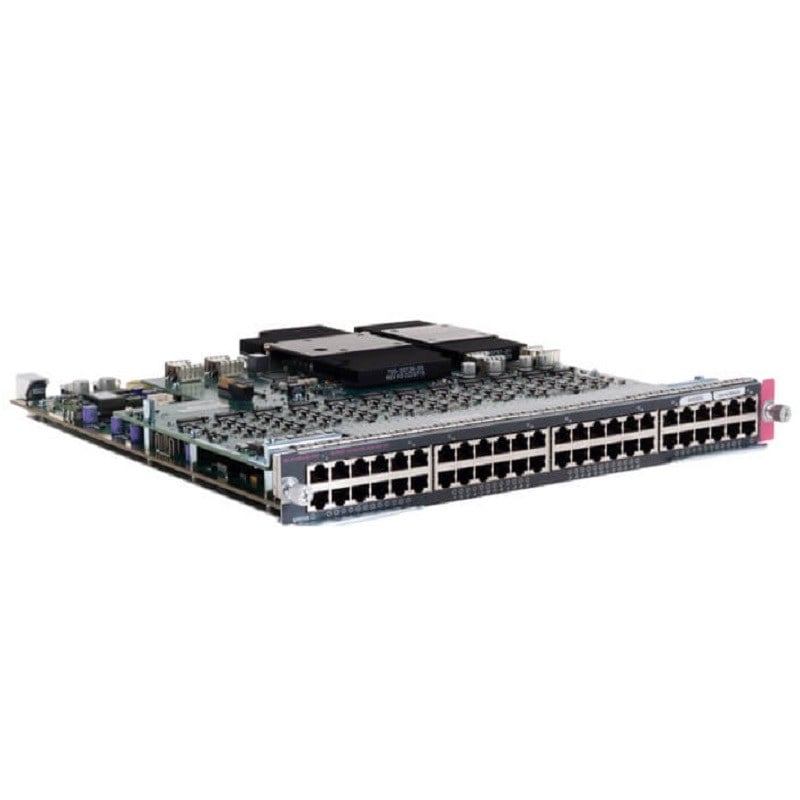


Description
Traffic Optimization
Traffic optimization refers to the process of managing and optimizing network traffic to ensure efficient and effective use of network resources. It involves using various techniques to prioritize network traffic, eliminate bottlenecks, and ensure the smooth flow of data across the network.
One approach to traffic optimization is Quality of Service (QoS) techniques, which enable network administrators to prioritize certain types of traffic over others. QoS can be used to ensure that mission-critical applications and services receive priority access to network resources, while less important traffic is given lower priority.
Another approach to traffic optimization is network traffic analysis and monitoring. This involves using network monitoring tools to analyze traffic patterns and identify potential bottlenecks or congestion points. Network administrators can then take steps to optimize traffic flows, such as adjusting network routing, deploying load balancing techniques, or upgrading network hardware.
Traffic optimization can also be achieved through the use of advanced networking technologies such as software-defined networking (SDN) and network function virtualization (NFV). SDN enables administrators to manage and control network traffic flows centrally, while NFV allows for the virtualization of network functions such as firewalls, routers, and load balancers.
Virtualization Support
Virtualization support refers to the ability of network hardware and software to support virtualization technologies, such as virtual machines (VMs) and virtual network functions (VNFs). Virtualization allows multiple operating systems or applications to run on a single physical server or network device, enabling organizations to maximize resource utilization, reduce hardware costs, and simplify network management.
In the context of network hardware, virtualization support can include features such as hardware-assisted virtualization, which offloads virtualization tasks from the CPU to dedicated hardware components. This can improve the performance and scalability of virtualized environments, enabling organizations to support more VMs or VNFs on a single physical device.
Network software can also provide virtualization support through the use of technologies such as virtual switches, virtual routers, and virtual firewalls. These virtualized network functions can be deployed on commodity hardware, enabling organizations to build agile and cost-effective networks that can be easily scaled to meet changing business requirements.
Virtualization support is particularly important in modern data center and cloud environments, where virtualization is used extensively to enable flexible and scalable application deployment. By providing robust virtualization support, network hardware and software can help organizations to maximize the benefits of virtualization, including increased efficiency, flexibility, and agility.
For example, the N7K-F248XP-25 Cisco Nexus 7000 F2-Series 48 Ports 10GE Expansion Module provides virtualization support through features such as support for virtual PortChannels (vPCs) and virtual device contexts (VDCs), enabling organizations to partition their network resources and support multiple virtualized environments on a single physical device. This can help organizations to improve network efficiency, reduce costs, and simplify network management in complex and demanding environments.
Quality of Service (QoS)
Quality of Service (QoS) refers to a set of techniques used to manage and prioritize network traffic based on its type, priority, and characteristics. QoS enables network administrators to ensure that critical applications and services receive the necessary bandwidth, while less important traffic is given lower priority and allocated fewer network resources.
QoS is particularly important in environments where network resources are limited, such as in wide area networks (WANs) or in networks with heavy traffic. By prioritizing network traffic, QoS can help to prevent congestion and ensure that mission-critical applications and services operate smoothly.
QoS can be implemented using a range of techniques, including traffic shaping, packet prioritization, and bandwidth allocation. Traffic shaping involves limiting the amount of traffic that can flow through a particular network connection, while packet prioritization involves marking packets with different priority levels to enable the network to prioritize traffic based on its importance. Bandwidth allocation involves reserving a certain amount of bandwidth for specific applications or services, ensuring that they have the necessary resources to operate effectively.
QoS is particularly important for real-time applications such as voice and video, which require low latency and high bandwidth to operate effectively. By prioritizing traffic for these applications, QoS can help to ensure that they operate smoothly and without interruption.
Many network devices and operating systems provide QoS functionality, including routers, switches, and firewalls. QoS is often configured using policies or rules that define how traffic should be treated based on its type or priority. By implementing QoS policies, network administrators can ensure that their networks operate effectively, even in demanding environments with high traffic and limited resources.
General Information
- Manufacturer: Cisco Systems, Inc
- MPN: N7K-F248XP-25
- Product Series: F2
- Product Name: Nexus 7000 – F2-Series 48 Port 1G/10G Ethernet Module
- Product Type: Expansion Module
- SKU: N7K-F248XP-25
Technical Information
- Application/Usage: Data Networking
- Application/Usage: Optical Network
I/O Expansions
- Number of Total Expansion Slots: 48
- Expansion Slot Type: SFP (mini-GBIC)
- Expansion Slot Type: SFP+
Environmental Parameters
- Min Operating Temperature: 32 °F
- Max Operating Temperature: 122 °F
- Humidity Range Operating: 5 – 90% (non-condensing)
Dimensions & Weight
- Width: 15.3 Inch
- Depth: 21.9 Inch
- Height: 1.7 Inch
- Weight: 13.89 Lbs
Miscellaneous
- Compatibility- Cisco Nexus 7000 Series Switches