

Description
Product overview of HVCWY Dell Perc H810 6GB S PCI-Express
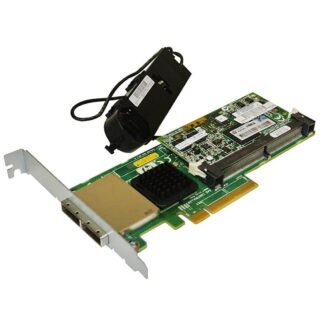
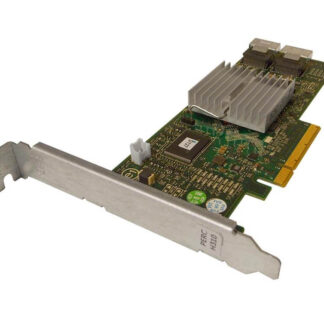
The HVCWY Dell Perc H810 6GB/s PCI-Express 2.0 SAS RAID Controller with 1GB NV Cache is a hardware device designed to manage and control multiple hard drives in a server or storage array. This controller is an important component for data centers and enterprises that require high-speed data transfer, redundancy, and fault tolerance. In this article, we will explain in detail what the HVCWY Dell Perc H810 RAID controller is, its features, benefits, and how it works.
HVCWY Dell Perc H810 RAID Controller
The HVCWY Dell Perc H810 RAID controller is a SAS (Serial Attached SCSI) RAID controller that is designed to manage and control multiple hard drives in a server or storage array. It is a high-performance RAID controller that supports up to 32 SAS or SATA (Serial ATA) hard drives and SSDs (Solid State Drives) simultaneously. This controller supports RAID levels 0, 1, 5, 6, 10, 50, and 60.
Features of the HVCWY Dell Perc H810 RAID Controller
The HVCWY Dell Perc H810 RAID controller comes with several features that make it a reliable and high-performance RAID controller. Some of the notable features of this controller include:
- PCI-Express 2.0 Interface: The HVCWY Dell Perc H810 RAID controller is designed to work with the PCI-Express 2.0 interface. This interface provides a high-speed data transfer rate of up to 6 GB/s.
- SAS Interface: The HVCWY Dell Perc H810 RAID controller is designed to work with SAS (Serial Attached SCSI) hard drives and SSDs. The SAS interface provides a higher data transfer rate than SATA (Serial ATA) interface.
- RAID Levels Support: This controller supports various RAID levels, including RAID 0, 1, 5, 6, 10, 50, and 60. These RAID levels provide different levels of redundancy and performance.
- Cache Memory: The HVCWY Dell Perc H810 RAID controller comes with 1 GB of Non-Volatile (NV) Cache memory. This memory helps to improve the performance of the controller by caching frequently accessed data.
- Battery Backup Unit (BBU): This controller comes with an optional battery backup unit (BBU) that provides backup power to the controller in case of a power failure. This ensures that data is not lost during a power outage.
Benefits of the HVCWY Dell Perc H810 RAID Controller
The HVCWY Dell Perc H810 RAID controller provides several benefits to enterprises and data centers that require high-performance storage solutions. Some of the notable benefits of this controller include:
- High Performance: The HVCWY Dell Perc H810 RAID controller provides high-performance storage solutions by supporting up to 6 GB/s data transfer rates and various RAID levels.
- Redundancy: This controller provides various RAID levels that offer different levels of redundancy. This helps to ensure that data is not lost in case of a hard drive failure.
- Fault Tolerance: The HVCWY Dell Perc H810 RAID controller is designed to provide fault tolerance by supporting hot-swappable hard drives. This means that hard drives can be replaced without shutting down the server or storage array.
- NV Cache: The 1 GB NV cache memory of this controller helps to improve the performance of the controller by caching frequently accessed data.
- Battery Backup Unit: The optional battery backup unit (BBU) ensures that data is not lost in case of a power outage.
Detail overview about the Dell HVCWY
- Model Number or SKU# HVCWY
- Manufacturer : DELL
- Product Type : Controller
- Product Name : SAS-SATA
Specifications
- Interface Type: Pcie 2.0 X8
- Interface: Sas 2
- Data Transfer Rate: 600 Mbps
- Buffer Size: 1 Gb
- Supported Devices: Hard Drive, Disk Array (raid)
- Channel Qty: 8
- Raid Level: Raid 0, Raid 1, Raid 5, Raid 6, Raid 10, Raid 50, Raid 60
System Requirements
- Microsoft Windows Server 2008 R2 Sp2, Red Hat Enterprise Linux 6.1, Red Hat Enterprise Linux 5.7, Suse Linux Enterprise Server 10 Sp4, Suse Linux Enterprise Server 11 Sp2
Contact us or ask for live chat/help if you have any questions about the compatibility of this item to ensure the model’s matching features with your current system.