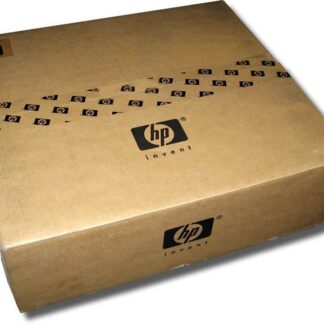


Description
VLAN and Link Aggregation
VLAN (Virtual Local Area Network) and Link Aggregation are two networking technologies used to improve network performance and reliability.
- VLAN: VLANs allow the physical network to be logically divided into multiple virtual networks, which can be used to segment the network for security, performance, or administrative purposes. Each VLAN is isolated from other VLANs, and traffic between VLANs must be specifically allowed.
- Link Aggregation (LAG): Link Aggregation is a technology that allows multiple physical links to be combined into a single logical link, increasing the bandwidth and providing redundancy. This helps to improve network performance and ensure high availability by distributing traffic across multiple physical links and providing a backup in case one of the links fails.
Both VLAN and Link Aggregation are important technologies for modern networks, as they allow network administrators to create a more flexible, scalable, and secure network infrastructure. These technologies can help improve network performance, enhance network reliability, and reduce costs.
Advanced Traffic Management
Advanced Traffic Management refers to the ability of a switch to control, monitor and prioritize network traffic based on various criteria such as priority, type of data, source or destination of data, etc. This helps in ensuring efficient and reliable delivery of mission-critical applications, preventing network congestion and improving overall network performance. Some common examples of advanced traffic management techniques include:
- Quality of Service (QoS): Prioritizes network traffic based on different levels of importance to meet service level agreements (SLAs)
- Traffic Shaping: Limits the rate of incoming or outgoing traffic to control congestion and prevent overloading of the network
- VLAN and Link Aggregation: Segregates network traffic based on VLANs (Virtual Local Area Networks) or aggregates multiple physical links into a single logical link for increased bandwidth
- Bandwidth Allocation: Determines the amount of bandwidth that should be allocated to each application or user
Power and Energy Efficiency
Power and energy efficiency refer to the ability of a device, in this case a switch, to operate efficiently while minimizing the consumption of energy. This is important as reducing energy consumption can lead to significant cost savings and also reduce the environmental impact of the device.
In the context of switches, power and energy efficiency can be achieved through various means such as:
- Power Management: Automatically adjust the power consumption of the switch based on the actual network load.
- Energy Efficient Ethernet (EEE): Reduces the energy consumption of the switch by putting the Ethernet physical layer into a low-power idle state when there is no network activity.
- Power Over Ethernet (PoE): Provides power to connected devices, such as phones or cameras, using the same cables that carry data, reducing the need for separate power sources.
- Energy Star Certification: Compliance with Energy Star, an international standard for energy efficiency, indicates that the switch is designed to meet strict energy efficiency guidelines.
- Dynamic Power Management: Allows the switch to dynamically adjust its power consumption based on network conditions.
Implementing these power and energy efficient technologies can help reduce the total cost of ownership of the switch and minimize its environmental impact.
General Information about the HP JL171A
- Manufacturer: HP
- Part Number or SKU# JL171A
- Product Type : Networking
- Product Name : 48 Ports Switch
Technical Specifications for 48 Ports Switch
- Ports : 48 X 10/100/1000 + 4 X 10base-T
- Performance : Throughput: 131 Mpps ¦ Switching Capacity: 176 Gbps ¦ Latency (100 Mbps): 9.7 µs ¦ Latency (1000base-T): 3.7 µs ¦ Latency (10 Gbps): 3.7 µs
- Mac Address Table Size : 16000 Entries
- Jumbo Frame Support : 9220 Bytes
- Remote Management Protocol : Snmp 1, Snmp 2c, Https
- Encryption Algorithm : Ssl
- Features : Full Duplex Capability, Layer 2 Switching, Auto-Negotiation, Auto-Uplink (Auto Mdi/Mdi-X), Port Mirroring, Half Duplex Mode, Full Duplex Mode, Quality Of Service (Qos), Dhcp Server, 1.5mb Packet Buffer, Network Timing Protocol (Ntp)
- Compliant Standards : Ieee 802.1q, Ieee 802.1p, Ieee 802.3x, Ieee 802.1w, Ieee 802.3at, Ieee 802.3az
- Processor : 1 X Arm Cortex-A9 : 400 Mhz
- Ram : 128 Mb – Ddr3 Sdram
Expansion / Connectivity
- Interfaces : 48 X 1000base-T – Rj-45 ¦ 4 X Gigabit / 10gbit Lan – Rj-45