

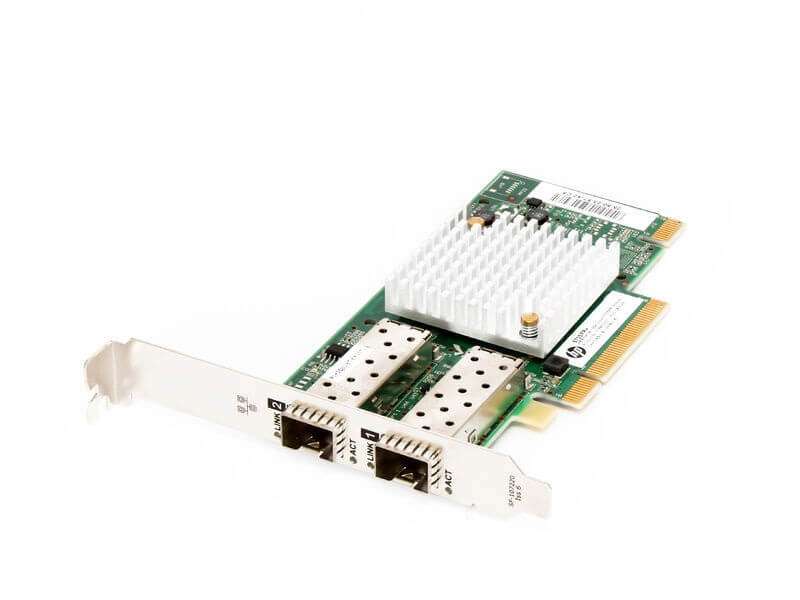
Description
Network Standards Protocols
Network standards and protocols refer to a set of rules and guidelines that define how devices communicate with each other over a network. These standards and protocols provide a common language and framework for different devices to communicate and work together effectively.
Network standards refer to the technical specifications that define how data is transmitted over a network. For example, the Ethernet standard defines how data is transmitted over a physical cable, while the Wi-Fi standard defines how data is transmitted wirelessly.
Protocols, on the other hand, refer to a set of rules that govern how devices communicate with each other using a specific network standard. Protocols define how data is formatted, transmitted, received, and interpreted by different devices.
There are many different network standards and protocols that are used in modern networking environments. Some common examples include:
- Transmission Control Protocol/Internet Protocol (TCP/IP): This is the primary protocol used for communication over the internet and many other networks.
- Ethernet: This is the most common wired network standard used today, and defines how data is transmitted over copper or fiber optic cables.
- Wi-Fi: This is a wireless networking standard that allows devices to connect to a network without the need for physical cables.
- Simple Network Management Protocol (SNMP): This is a protocol used for network management and monitoring, allowing administrators to monitor and control network devices.
- Domain Name System (DNS): This protocol is used for translating domain names into IP addresses, allowing users to access websites using human-readable domain names.
Real-World Deployments
Real-world deployments refer to the practical applications of a product, service or technology in actual operating environments. For the HPE Ethernet 10GB 2-Port 570SFP Adapter, real-world deployments would involve its integration into enterprise networks for use in data centers, cloud computing environments, and other high-performance computing applications.
In a typical deployment scenario, the adapter would be installed in an HPE server, such as the HPE ProLiant DL580 Gen9, which is compatible with this adapter. The server may be used to support various applications, such as virtualization, high-performance computing, big data analytics, or cloud computing services.
The adapter’s 10Gb Ethernet connectivity provides high-speed network connectivity, enabling faster data transfer rates and reduced latency. This, in turn, can improve application performance and user experience, as well as increase network efficiency and reduce operating costs.
Real-world deployments may also involve the use of multiple adapters for network redundancy and load balancing. For example, the HPE Ethernet 10GB 2-Port 570SFP Adapter supports teaming or bonding of ports, allowing for increased throughput and fault tolerance.
Servers and Operating Systems
Servers and operating systems are two key components of a computer network, with servers providing the computational resources and services needed to support networked applications, and operating systems providing the software environment needed to run those applications.
A server is a computer or device that is designed to provide services or resources to other computers or devices on a network. Servers can be dedicated machines, or they can be virtualized using software such as VMware or Hyper-V, which allows multiple servers to run on a single physical machine.
Servers can be configured to provide a wide range of services, including file sharing, web hosting, email, database management, and application hosting. In order to provide these services, servers require hardware components such as CPUs, RAM, storage devices, and network adapters, as well as software components such as operating systems, server software, and applications.
Operating systems, on the other hand, are the software environments that provide the foundation for running applications and managing resources on a server. There are many different operating systems that can be used on servers, including Windows Server, Linux, UNIX, and macOS Server.
Operating systems provide a range of services and tools for managing and monitoring servers, including system administration, security management, performance monitoring, and backup and recovery. They also provide APIs and other programming interfaces that allow developers to create and run applications on servers.
General Information
- Device Type : Network Adapter
- Form Factor : Plug-In Card
- Interface (Bus) Type : Pci Express 2.0 X8
Networking
- Ports : 10gb Ethernet X 2
- Connectivity Technology : Wired
- Data Link Protocol : 10 Gigabit Lan
- Data Transfer Rate : 10 GBPS
- Network / Transport Protocol : Tcp/Ip, Udp/Ip
- Features : Vlan Support, Jumbo Frames Support, Pxe Support, Tcp Segmentation Offload (Tso)
- Compliant Standards : IEEE 802.3, IEEE 802.1q, IEEE 802.3x, IEEE 802.3ad (Lacp), IEEE 802.3ae, IEEE 802.3p, IEEE 802.1ab (Lldp)
Expansion / Connectivity
- Interfaces : 2 X 10gb Ethernet – Sfp+
- Compatible Slots : 1 X Pci Express 2.0 X8


