


Description
Monitoring Capabilities
Monitoring capabilities refer to the ability of a system or network to track and analyze various metrics, events, and activities in real-time. Monitoring can help organizations identify issues, diagnose problems, and optimize performance.
There are several types of monitoring capabilities that can be implemented in a network, including:
- Performance Monitoring: Performance monitoring involves tracking various metrics such as CPU usage, memory usage, and network traffic. This type of monitoring can help organizations identify bottlenecks, predict capacity needs, and optimize performance.
- Fault Monitoring: Fault monitoring involves tracking system faults and errors such as failed network connections, device failures, and software crashes. This type of monitoring can help organizations identify and diagnose problems in real-time and quickly resolve issues.
- Security Monitoring: Security monitoring involves tracking and analyzing network traffic to detect potential security threats, such as malware or unauthorized access attempts. This type of monitoring can help organizations identify and respond to security incidents and prevent data breaches.
- Event Monitoring: Event monitoring involves tracking and analyzing specific events, such as user logins, file transfers, and system backups. This type of monitoring can help organizations identify potential issues and ensure compliance with regulatory requirements.
- Compliance Monitoring: Compliance monitoring involves tracking and analyzing data to ensure compliance with regulatory and industry standards, such as HIPAA or PCI DSS. This type of monitoring can help organizations identify compliance issues and take corrective action.
Network Architecture
Network architecture refers to the design and organization of a computer network, including the various components and their interconnections. It encompasses the layout of hardware devices, software systems, and protocols that enable communication between different devices within a network.
A network architecture may include several layers, each responsible for specific functions such as transmission of data, addressing, routing, and error detection and correction. The most common network architecture is the layered architecture, also known as the OSI model (Open Systems Interconnection model), which comprises seven layers. These layers are:
- Physical layer: This layer is responsible for transmitting raw bit streams over a physical medium such as copper wires, optical fibers, or wireless signals.
- Data Link layer: This layer provides error-free transmission of data frames over a physical link. It ensures that data is transmitted without errors or losses.
- Network layer: This layer manages the routing and addressing of data packets across a network. It is responsible for delivering data from one host to another, regardless of their physical location.
- Transport layer: This layer provides end-to-end communication between hosts by establishing a reliable, error-free data transfer session. It ensures that data is delivered in the correct order and with appropriate error detection and correction.
- Session layer: This layer is responsible for establishing and managing communication sessions between two or more devices. It allows applications to exchange data and keep track of the state of the communication.
- Presentation layer: This layer is responsible for data representation and formatting. It defines how data is presented to applications, including the encoding and compression of data.
- Application layer: This layer provides access to network services for applications. It includes protocols such as HTTP, FTP, SMTP, and others that are used by applications to communicate with each other over a network.
Advanced Security Features
Advanced security features are designed to protect computer networks, systems, and data from unauthorized access, theft, and malicious attacks. These features go beyond basic security measures such as firewalls and antivirus software and provide additional layers of protection against sophisticated cyber threats.
Some of the advanced security features commonly used in networks include:
- Intrusion Detection and Prevention Systems (IDPS): IDPS solutions monitor network traffic for suspicious behavior and unauthorized access attempts. They can alert administrators of potential security breaches and block malicious traffic.
- Data Loss Prevention (DLP): DLP solutions monitor data flow and prevent sensitive data from leaving the network. They can also prevent unauthorized access to sensitive data and provide encryption and access controls.
- Advanced Authentication: Advanced authentication methods such as multi-factor authentication (MFA) can enhance the security of user accounts and prevent unauthorized access. MFA requires users to provide multiple forms of identification, such as a password and a fingerprint, before accessing a system or network.
- Security Information and Event Management (SIEM): SIEM solutions collect and analyze security data from multiple sources to identify potential threats and vulnerabilities. They can also help organizations comply with regulatory requirements and detect insider threats.
- Application Security: Application security measures such as web application firewalls (WAFs) and secure coding practices can prevent vulnerabilities and protect against attacks on web-based applications.
- Network Segmentation: Network segmentation involves dividing a network into smaller, isolated segments to prevent the spread of malware and limit the damage from a security breach.
- Threat Intelligence: Threat intelligence solutions use data from multiple sources to identify potential threats and provide real-time threat analysis.
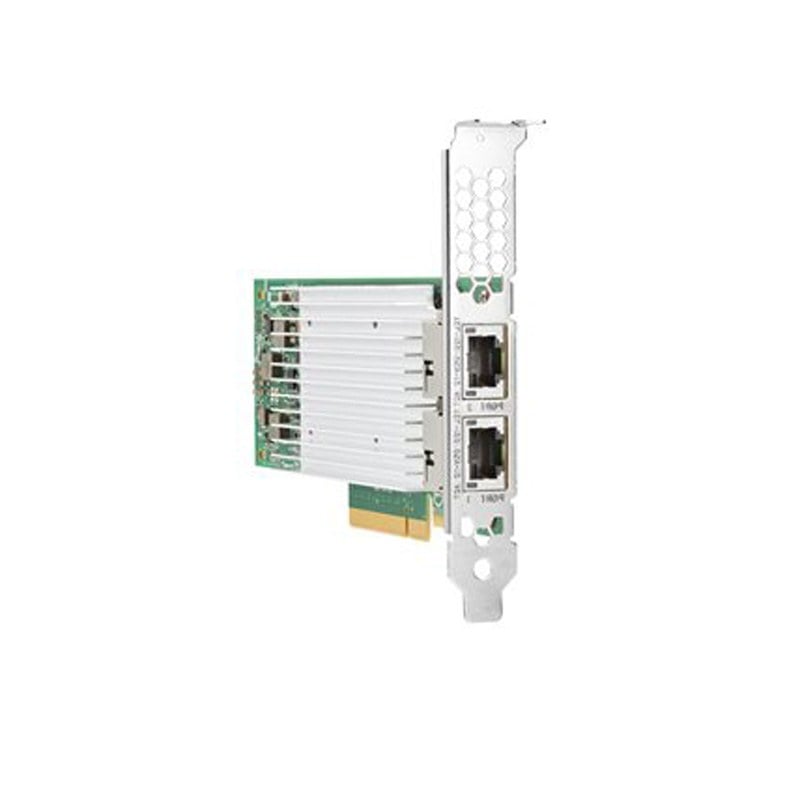
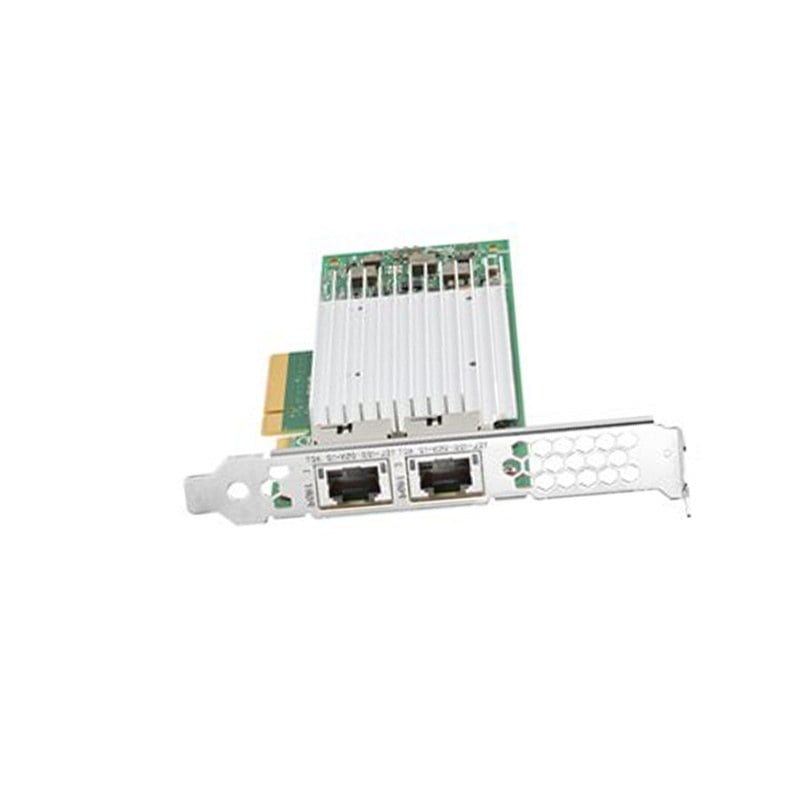
General Information about this HPE 872527-001
- Manufacturer: HPE
- Part Number or SKU# 872527-001
- Product Type: CN1200R 10GBASE-T Converged Network Adapter
Technical Information
- Device Type : Network Adapter
- Form Factor : Plug-in Card
- Interface Type : Pci Express
- Data Transfer Rate: 10 Gbps
Networking
- Ports: 10gb Cee X 2
- Ponnectivity Technology: Wired
- Cabling Type: Ethernet 10gbase-t
- Data Link Protocol: Rdma Over Converged Ethernet (roce), Iscsi, and Fibre Channel Over Ethernet (fcoe) are examples of networking technologies
- Features: Converged Enhanced Ethernet


