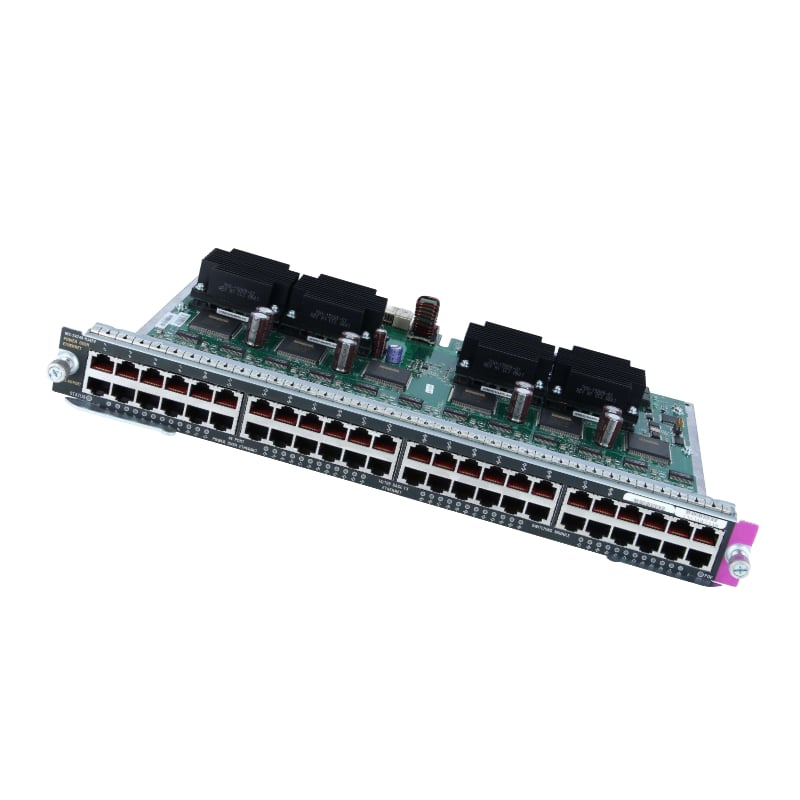

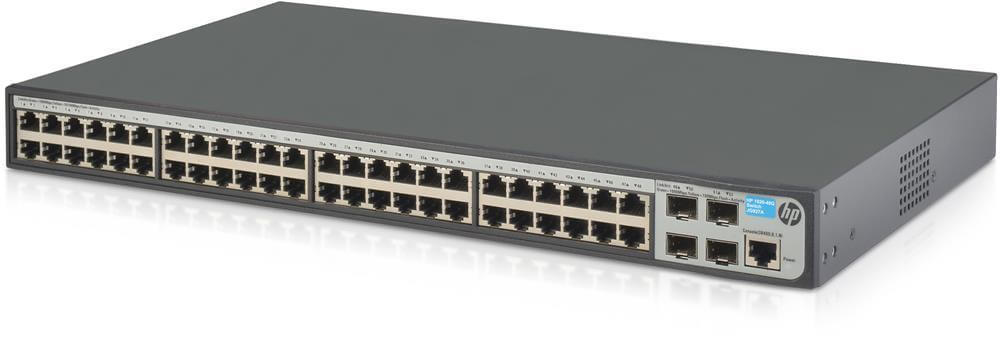
Description
Security and Access Control
Security and access control are essential components of any network infrastructure. They are used to protect the network and its resources from unauthorized access and cyber threats.
Access control refers to the process of granting or denying access to network resources based on predefined rules and policies. This can include controlling access to specific network segments, devices, or applications. Access control can be implemented at multiple levels in the network, such as at the switch or router level, or at the application or user level.
Security measures are used to protect the network and its resources from cyber threats such as hacking, malware, and unauthorized access. These measures can include firewalls, intrusion detection and prevention systems, and encryption. They can also include security protocols such as VPNs and SSL/TLS.
The HPE A5800-48G Switch features a built-in security features such as VLANs, access control lists (ACLs), and Quality of Service (QoS) to help protect the network and its resources. Additionally, the switch supports advanced security features such as Virtual Router Redundancy Protocol (VRRP) and link aggregation control protocol (LACP) for added security.
Ensuring Reliability and Security
Ensuring reliability and security in a network is crucial for maintaining the availability and integrity of the network and its resources. Some key considerations for ensuring reliability and security include:
- Redundancy: Implementing redundancy in the network, such as using redundant power supplies, NIC teaming, and link aggregation, can help to ensure that the network remains operational even in the event of a failure.
- Backup and Disaster Recovery: Regularly backing up important data and configuring disaster recovery plans can help to ensure that the network can be quickly and efficiently recovered in the event of a failure or outage.
- Security Measures: Implementing security measures such as firewalls, intrusion prevention systems, and access control lists can help to protect the network from cyber threats such as hacking and malware.
- Network Segmentation: Network segmentation can be used to isolate different parts of the network, such as sensitive data or critical systems, from the rest of the network. This can help to improve security and reduce the impact of a security breach.
- Monitoring and Management: Regularly monitoring and managing the network can help to identify and resolve issues before they become major problems. This includes monitoring for security threats and suspicious activity, as well as monitoring network performance and availability.
Firmware Updates and Upgrades
Firmware updates and upgrades are an important aspect of maintaining and improving the performance and security of a network switch. Firmware refers to the low-level software that controls the basic functions of the switch, such as managing the flow of data, configuring ports, and managing security settings.
Firmware updates are typically released by the manufacturer to address bugs, improve performance, and add new features to the switch. These updates can be applied to the switch through a variety of methods, such as through a web interface or through a command-line interface.
Upgrades, on the other hand, refer to the process of updating the firmware to a newer version. This can include updating the switch to a newer version of the operating system or upgrading to a newer version of the switch hardware. Upgrades can also be done to add new features and improve performance of the switch.
It is important to keep the switch firmware up-to-date to ensure that the switch is running the latest security patches and performance enhancements. This can also help to prevent security breaches and ensure that the switch is operating at optimal performance.
General Information
- Manufacturer: HPE
- Model Number or SKU# JC691-61101
- Product Type : 48 Ports L3 Managed Switch
Technical Information
- Enclosure Type : Rack-Mountable – 1u
- Ports : 48 X 10/100/1000 + 2 X Shared Sfp + 2 X 10 Gigabit Ethernet / 1 Gigabit Ethernet Sfp+
- Performance : Switching Capacity : 160 Gbps Throughput : 119 Mpps
- Capacity : Routing Table Entries : 12000
- Mac Address Table Size : 32000 Entries
Routing Protocol
- Ospf, Rip, Bgp-4, Rip-2, Bgp, Igmpv2, Igmp, Ospfv2, Pim-Sm, Pim-Dm, Igmpv3, Ospfv3, Pim-Ssm, Msdp, Static Ipv4 Routing, Static Ipv6 Routing, Mldv2, Mld
Remote Management Protocol
- Snmp 1, Rmon, Telnet, Snmp 3, Snmp 2c, Http, Tftp, Cli
- Encryption Algorithm : Md5, Ike, Ssl, Tls
- Authentication Method : Secure Shell (Ssh), Radius, Pap, Chap, Tacacs, Tacacs+, Secure Shell V.2 (Ssh2)
Features
- Flow Control, Dhcp Support, Vlan Support, Igmp Snooping, Port Mirroring, Mac Address Filtering, Ipv6 Support, Half Duplex Mode, Full Duplex Mode, Sflow, Rapid Spanning Tree Protocol (Rstp) Support, Virtual Route Redundancy Protocol (Vrrp) Support, Multiple Spanning Tree Protocol (Mstp) Support, Access Control List (Acl) Support.
- Ram : 1 Gb
- Flash Memory : 64 Mb
Expansion / Connectivity
- Interfaces : 48 X 10base-T/100base-Tx/1000base-T – Rj-45 2 X Sfp (Mini-Gbic) 2 X Sfp+ Serial : 1 X Console – Rj-45 1 X Rj-45 – Management
- Expansion Slot(S) : 1 (Total) / 1 (Free) X Expansion