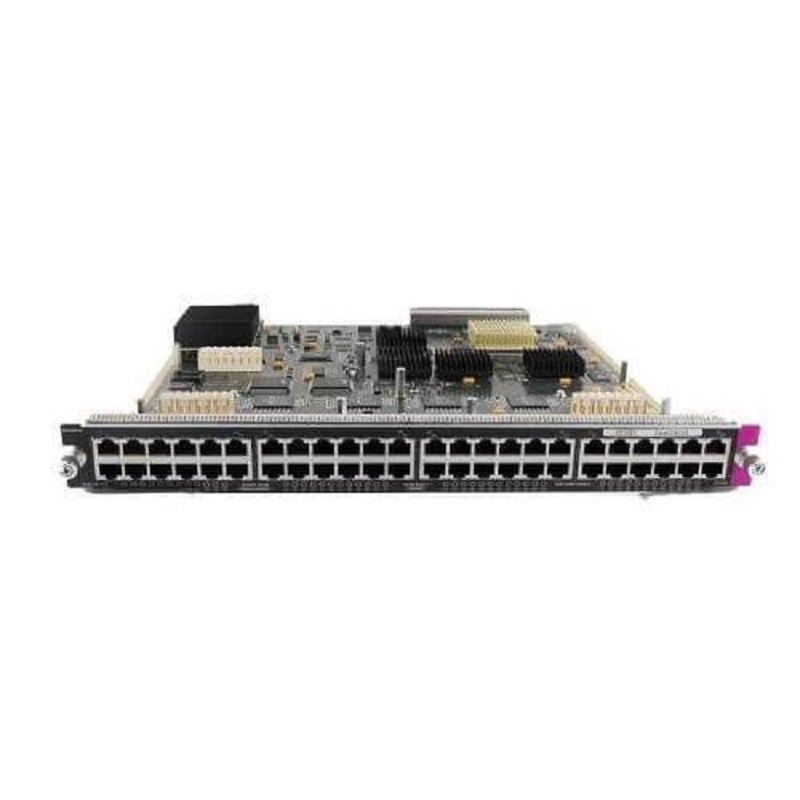


Description
High-Speed Fiber Connectivity
High-speed fiber connectivity refers to the use of fiber optic cables to support high-speed data transfer in a network. Fiber optic cables provide much higher bandwidth compared to traditional copper cables, enabling faster data transfer and increased network performance.
The benefits of high-speed fiber connectivity include:
- Increased Bandwidth: Fiber optic cables provide much higher bandwidth compared to traditional copper cables, allowing for faster data transfer and increased network performance.
- Improved Reliability: Fiber optic cables are less susceptible to interference and are more durable compared to traditional copper cables, improving the reliability of network connections.
- Longer Reach: Fiber optic cables can support longer distances compared to traditional copper cables, allowing organizations to expand their network over larger geographic areas.
- Increased Security: Fiber optic cables are less susceptible to tapping and other security threats compared to traditional copper cables, improving the overall security of network connections.
- Future-Proofing: Fiber optic cables provide the bandwidth and performance needed to support future network demands, allowing organizations to prepare for future network growth.
High-speed fiber connectivity is a critical component of modern networks, providing the bandwidth, reliability, and security needed to support demanding network applications and services. It is particularly important in data centers, enterprises, and other network environments where high-speed connectivity is critical.
Scalable and Reliable Switch for Data Centers
A scalable and reliable switch is an essential component of modern data centers, providing the flexibility and reliability needed to support mission-critical network applications and services.
The key features of a scalable and reliable switch for data centers include:
- Scalability: The switch must be able to expand and adapt to changing network requirements, allowing organizations to add more devices and increase network capacity as needed.
- Reliability: The switch must be designed for high availability and reliability, with redundant power supplies and other failover mechanisms to ensure consistent network performance in the event of component failures.
- Performance: The switch must provide high-speed data transfer and low latency, with the ability to handle a large volume of network traffic.
- Management: The switch must include advanced management features, such as centralized management, monitoring, and reporting, to simplify network administration and improve overall network performance.
A scalable and reliable switch for data centers is designed to provide the performance, reliability, and scalability needed to support mission-critical network applications and services. It helps organizations to improve their network performance, efficiency, and reliability while providing a solid foundation for future growth and expansion.
PoE for Energy-Efficient Networking
Power over Ethernet (PoE) is a technology that allows network devices to receive power and data over a single Ethernet cable, reducing the need for separate electrical and data cabling. PoE is a convenient and cost-effective solution for powering network devices such as IP phones, wireless access points, and cameras.
The benefits of PoE for energy-efficient networking include:
- Reduced Power Costs: PoE eliminates the need for separate electrical cabling, reducing the cost and complexity of network installations. Additionally, PoE-powered devices use less energy compared to traditional AC-powered devices, reducing energy costs and improving energy efficiency.
- Increased Network Flexibility: PoE enables network devices to be deployed in areas where traditional AC power is not available, such as outdoor locations or in areas where AC power is not easily accessible.
- Improved Network Management: PoE provides centralized power management, allowing administrators to monitor and manage power usage across their network. This improves overall network performance and reduces the risk of power-related network failures.
- Enhanced Security: PoE-powered devices are less likely to be unplugged or moved, reducing the risk of network disruptions and improving network security.
PoE is an energy-efficient technology that provides many benefits for modern networks, including reduced power costs, increased network flexibility, improved network management, and enhanced security. It is an ideal solution for powering network devices in a wide range of applications, from small offices to large data centers.
General Information about the HPE JL661-61101
- Manufacturer: HPE
- Part Number or SKU# JL661-61101
- Product Type: Layer 3 Switch
Technical Information
- Enclosure Type: Rack-Mountable 1U
- Sub type: 5 Gigabit Ethernet
- Ports: 48 X 100/1000/2.5g/5g (PoE+) + 4 X 1 Gigabit / 10 Gigabit / 25 Gigabit / 50 Gigabit SFP56 (uplink / Stacking)
- Power Over Ethernet (PoE): PoE+
- Poe Budget: 2880 W
Performance
- Switching Capacity: 880 Gbps ¦ Throughput: 654 Mpps ¦ Latency (1 GBPS): 4.24 ?s ¦ Latency (10 GBPS): 1.5 ?s ¦ Latency (25 GBPS): 2.91 ?s ¦ Latency (50 GBPS): 3.49 ?s ¦ Stacking Bandwidth: 200 GBPS
- Mac Address Table Size: 32000 Entries
- Jumbo Frame Support: 9198 Bytes
- Routing Protocol: Egp, Bgp-4, Igmpv2, Igmp, Vrrp, Ospfv2, Igmpv3, Ospfv3, Msdp, Static Ipv6 Routing, Ecmp, Mld, Bidirectional Forwarding Detection (BFD)
Management & Protocol
- Remote Management Protocol: Rmon, Telnet, Snmp 3, Snmp 2c, Https, Tftp, Ssh, Cli, Xrmon, SFTP
- Authentication Method: Secure Shell (SSH), Radius, Tacacs+
Memory / Ram
- Processor: 1 X Arm Cortex-a72: 1.78 Ghz
- Ram: 8 GB DDR4 SDRAM
- Flash Memory: 32 GB
- Capacity: One Thousand Switched Virtual Interfaces (svis) 32000 Ipv4 Host Tables Available 32000 Ipv6 Host Tables Available 64000 Ipv4 Routes (Unicast) Routes via IPv6 (unicast): 32000 Routes on IPv4 (multicast): 8000 Routes on IPv6 (multicast): 8000 8000 Igmp Groups 4000 Mld Groups 5000 Ipv4 Acl Entries (Ingress) 1250 Ipv6 Acl Entries (ingress) 5000 Mac Acl Entries (Ingress) 2000 Ipv4 Acl Entries (egress) egress Ipv6 Acl Entries: 500 2000 Mac Acl Entries (Egress)
Features
- Support for Dhcp, Arp, VLAN, Auto-uplink (auto Mdi/mdi-x), Igmp Snooping, and Syslog high accessibility, Support for Access Control List (acl), Per-Vlan Spanning Tree (pvst), Multiple Spanning Tree Protocol (mstp), and Quality of Service (qos), Support for Jumbo Frames, Mld Snooping, Uni-directional Link Detection (udld), Rapid Per-Vlan Spanning Tree Plus (pvrst+), Deficit Weighted Round Robin (dwrr), Lldp Support, Management Information Base (mib), Dhcp Protection, Dual Firmware Images, Multiple Vlan Registration Protocol (mvrp), Packet Storm Protection, Class Of Service (cos), and Strict Prior (sp), Ra Guard, Zero-touch Provisioning (ztp), Protocol Independent Multicast (pim), Vlan Tagging, Rapid Reconfiguration Of Spanning Tree (rstp), Type Of Service (tos), Bridge Protocol Data Unit (bpdu), Virtual Extensible Lan (vxlan), Multicast Storm Protection, and IPv4 and IPv6 Dual Stack.
Compliant Standards
- Ieee 802.1d, Ieee 802.1q, Ieee 802.1p, Ieee 802.3af, Ieee 802.3ad (lacp), Ieee 802.1w, Ieee 802.1x, Ieee 802.3ae, Ieee 802.1s, Ieee 802.1t, Ieee 802.1v, Ieee 802.1ab (lldp), Ieee 802.1ak, Ieee 802.3at, Ieee 802.1ax, Ieee 802.3bt
Expansion / Connectivity
- 48 X 100/1000/2.5g/5g Rj-45 Poe+ 60 W
- 4 X 1gbit/10gbit/25gbit/50gbit SFP56
- 1 X USB-C Console
- 1 X Management
- 1 X USB Type A