


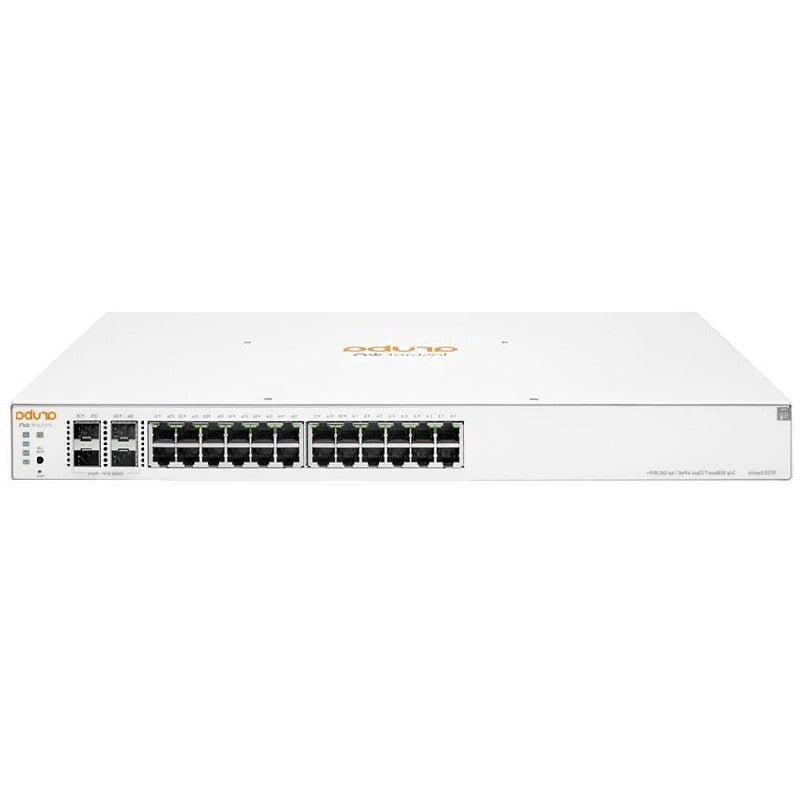
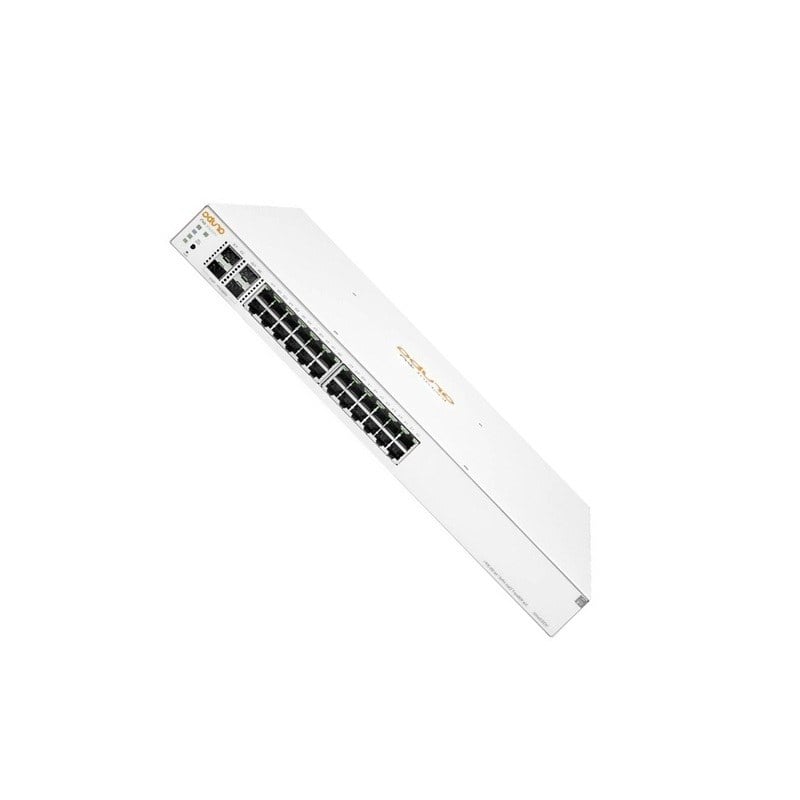
Description
Scalable Network Deployments
Routing and Switching Capabilities
Routing and switching are the two fundamental functions of a network that are used to manage the flow of data between different devices.
Routing refers to the process of directing traffic from one network to another based on its destination IP address. Routers make routing decisions based on routing tables and algorithms, and they use these tables to determine the best path for data to take as it travels from one network to another.
Switching, on the other hand, refers to the process of forwarding data within a single network based on the destination MAC (Media Access Control) address. Switches use a process called bridging to create a direct connection between two devices, allowing data to be transmitted between them at high speed.
The routing and switching capabilities of a network determine its ability to manage and direct the flow of data between devices. A network with advanced routing and switching capabilities will provide fast and efficient data transfer, as well as flexible and scalable network management options.
Class 4 Power Over Ethernet (PoE)
Class 4 Power Over Ethernet (PoE) refers to the PoE standard that provides up to 30 watts of power per port. PoE is a technology that allows network devices, such as IP phones, cameras, and wireless access points, to receive power over the Ethernet cables that are used for data transmission. This eliminates the need for separate power cables and outlets, making it easier to deploy and manage these devices.
Class 4 PoE provides a higher power budget compared to lower class PoE standards, such as Class 1 or Class 2, which provide up to 15.4 watts per port. This makes Class 4 PoE suitable for devices that require more power, such as high-definition IP cameras or 802.11ac wireless access points.
The HPE JL684-61001 switch is a Class 4 PoE switch, meaning it can provide up to 30 watts of power per port to PoE-enabled devices. This helps to ensure that the switch can support a wide range of devices and meet the power requirements of demanding network applications.
General Information about the HPE JL684-61001
- Manufacturer: HPE
- Part Number or SKU# JL684-61001
- Type: Networking Switch
- Switch Type: Gigabit Ethernet Switch
Performance of Managed Switch
- Port of Switch: 24 Ports
- Switching Capacity: 128 Gbps
- Throughput: 95.23 Mpps
- Latency (1 Gbps): 2.4 ?s
- Latency (10 Gbps): 1.3 ?s
- Capacity: Link Aggregation Ports: 8
- Ipv4 Routes (static): 32
- Vlans Supported: 256
- Access Control Entries (aces) Per Acl: 480
- Packet Buffer Size: 1.5 MB
- Mac Address Table Size: 16000 Entries
- Jumbo Frame Support: 9216 Bytes
- Routing Protocol: Static Ip Routing
- Remote Management Protocol: SNMP 1, RMON, SNMP 3, SNMP 2C, HTTP, HTTPS, TFTP, Radius
- Compliant Standards: IEEE 802.3, IEEE 802.3U, IEEE 802.1D, IEEE 802.1Q, IEEE 802.3AB, IEEE 802.1P, IEEE 802.3AF, IEEE 802.3X, IEEE 802.3AD (LACP), IEEE 802.1W, IEEE 802.1X, IEEE 802.1S, IEEE 802.1AB (LLDP), IEEE 802.3AT, IEEE 802.3AZ, IEEE 802.2AF
Power Consumption
- Power Device: Internal Power Supply
- Voltage Required: Ac 120/230 V (50/60 Hz)
- Power Consumption Operational: 439 Watt


