

Description
Product
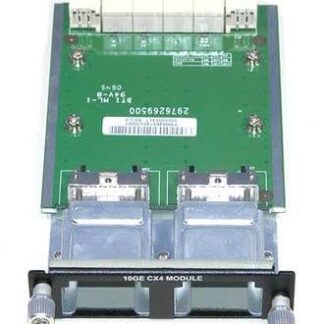
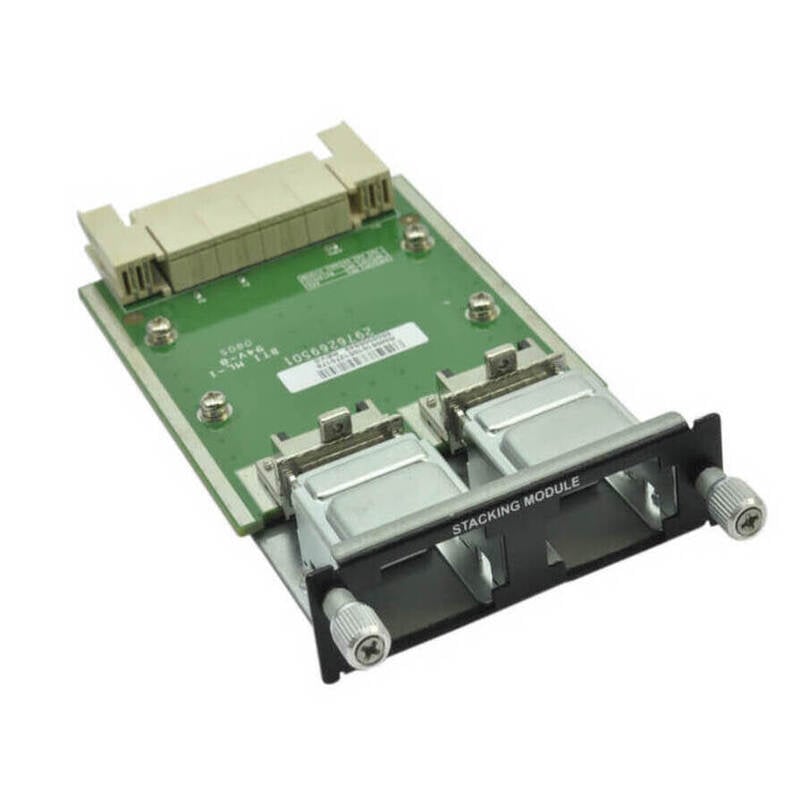
Overview of the HPE P12951-001 Msa 12GB
In the realm of server technology, the HPE P12951-001 12GB Io Module Multi-Source Agreement (MSA) plays a crucial role in enhancing connectivity and performance. This article aims to provide a comprehensive understanding of this module, breaking down its key features, benefits, and implications for server systems.
Expansion Modules
Before diving into the specifics of the HPE P12951-001, it’s essential to understand what expansion modules are. In simple terms, an expansion module is a hardware component that adds extra functionality or connectivity options to computers, servers, or network devices. They allow for the addition of ports, enhanced performance capabilities, or new features without needing to replace the entire system.
Definition of 12GB Io Module
The “12g” in the HPE P12951-001 12g Io Module refers to its 12 gigabits per second (Gbps) data transfer rate. This high-speed connectivity is crucial for modern servers, enabling rapid data exchange and reducing latency.
Multi-Source Agreement (MSA) in Servers
The Multi-Source Agreement (MSA) aspect of the module emphasizes its compatibility and interoperability with various server components. This standardization ensures that the module can be seamlessly integrated into a wide range of server setups, promoting versatility and ease of use.
High-Speed Data Transfer
One of the primary features of the HPE P12951-001 12g Io Module is its impressive 12 Gbps data transfer rate. This high speed is particularly advantageous for tasks that require quick data access and transmission, such as large-scale data processing and storage operations.
Enhanced Connectivity Options
The module provides a variety of connectivity options, catering to different server configurations and requirements. This includes support for various input/output (I/O) interfaces, ensuring compatibility with diverse server architectures.
Scalability and Flexibility
Scalability is a key consideration in modern server environments, and the HPE P12951-001 12g Io Module addresses this need effectively. Its design allows for easy scalability, accommodating the growing demands of data-intensive applications and expanding server infrastructures.
Reliability and Redundancy
Reliability is paramount in server systems, and this module incorporates features to enhance system stability. Redundancy mechanisms ensure that even in the event of component failure, the server can continue to operate seamlessly, minimizing downtime and data loss.
Benefits of Implementing HPE P12951-001 12GB Io Module
Now that we have explored the features of the HPE P12951-001 12g Io Module, let’s delve into the tangible benefits it brings to server environments. Understanding these advantages is crucial for decision-makers evaluating the integration of this module into their server infrastructure.
Improved Performance
The high-speed data transfer capabilities of the HPE P12951-001 12g Io Module directly contribute to improved overall server performance. Applications that rely on quick data access, such as databases and virtualization platforms, can experience significant speed enhancements.
Enhanced Workload Handling
With scalability and flexibility as integral features, this module empowers servers to handle increased workloads efficiently. As businesses grow and data volumes expand, having a module that can seamlessly adapt to changing demands becomes a strategic asset.
Cost-Efficiency
The versatility of the HPE P12951-001 12g Io Module contributes to cost-efficiency in server deployments. Its compatibility with various server components and architectures reduces the need for extensive modifications or upgrades, ultimately saving on both time and resources.
Reliability and Data Integrity
The reliability features, including redundancy mechanisms, enhance the overall stability of server systems. This translates to improved data integrity and reduced risks of data loss, a critical consideration for businesses reliant on continuous and secure data access.
Implementation Considerations for HPE P12951-001 12GB Io Module
Integrating the HPE P12951-001 12g Io Module into a server environment requires careful consideration of various factors. This section will outline key implementation considerations to ensure a smooth and effective integration process.
Compatibility Assessment
Before incorporating the HPE P12951-001 12g Io Module into an existing server setup, a thorough compatibility assessment is necessary. This involves evaluating the compatibility of the module with existing hardware, software, and network configurations to prevent potential conflicts or performance issues.
Firmware and Driver Updates
To maximize the benefits of the 12 Gbps data transfer rate and ensure seamless integration, it is essential to update server firmware and drivers. This step helps resolve any compatibility issues and ensures that the server recognizes and optimally utilizes the capabilities of the HPE P12951-001 12g Io Module.
System Testing and Optimization
After installation, comprehensive testing is imperative to verify the proper functioning of the module within the server environment. This includes performance testing, stress testing, and optimization processes to fine-tune the configuration for optimal results.
Future Trends and Considerations in Server Connectivity
As technology evolves, so do the demands and expectations placed on server connectivity solutions. This section will explore potential future trends and considerations that could impact the landscape of server connectivity, including the relevance of the HPE P12951-001 12g Io Module.
Emerging Connectivity Standards
The landscape of server connectivity is dynamic, with new standards continually emerging. Keeping an eye on upcoming connectivity standards ensures that server infrastructures remain adaptable to the latest technological advancements, potentially influencing the need for upgraded or enhanced modules like the HPE P12951-001.
Increased Emphasis on Security
With the growing importance of data security, future server connectivity solutions may place an increased emphasis on integrating robust security features. This could include advanced encryption protocols and authentication mechanisms to safeguard data during transmission.
Quantum Computing Implications
As quantum computing technologies advance, there may be implications for traditional server architectures and connectivity solutions. Exploring how modules like the HPE P12951-001 can adapt to or coexist with emerging quantum computing paradigms will be a consideration for future server deployments.
Key Features
- High Data Transfer Rate (12G): The “12G” in the module’s name signifies its impressive data transfer rate of 12 gigabits per second. This high-speed capability is crucial for handling data-intensive tasks and supporting modern applications.
- Versatile Connectivity: The module is engineered to provide versatile connectivity options, allowing seamless integration with various server architectures. This flexibility is essential for accommodating diverse server setups.
- Reliability and Performance: HPE, known for its commitment to quality, ensures that the P12951-001 module delivers optimal reliability and performance. This is particularly crucial in server environments where uptime and responsiveness are paramount.
Multi-Source Agreement (MSA)
Understanding the significance of the Multi-Source Agreement is crucial to appreciating the interoperability and standardization that the HPE P12951-001 module adheres to.
Definition of MSA
The Multi-Source Agreement is a formal specification that outlines the common parameters for a specific type of technology, in this case, IO modules for servers. It is an industry-wide effort to establish compatibility standards, enabling different vendors to produce products that can seamlessly work together.
Importance of MSA in Servers
- Interoperability: MSA ensures that the HPE P12951-001 module can be used with servers from various manufacturers. This interoperability simplifies the process of upgrading or expanding server infrastructure, as administrators can choose products from different vendors without worrying about compatibility issues.
- Scalability: Servers often need to scale up to meet growing demands. MSA-compliant modules, like the HPE P12951-001, facilitate this scalability by providing a standardized interface that can be easily integrated into existing server setups.
Applications of the HPE P12951-001 ModuleData Centers
In the context of data centers, the HPE P12951-001 module plays a crucial role in enhancing the overall performance and reliability of servers. Its high data transfer rate and compatibility with different server architectures make it an ideal choice for data-intensive tasks.
Cloud Computing
As cloud computing continues to dominate the IT landscape, the need for standardized and interoperable server components becomes even more apparent. The MSA-compliant HPE P12951-001 module aligns with this need, ensuring seamless integration within diverse cloud server environments.
General Information about the HPE P12951-001
- Manufacturer: HPE
- Model Number or SKU# P12951-001
- Product Type: Expansion Module
Technical Information
- Transmission Rate: 10/100/1000Mbps
- Communication Mode: Full-Duplex & Half-Duplex
- Switch Capacity: 2GB
- Place of Origin: USA
- Private Mold: NO
Finally, the HPE P12951-001 12G IO Module, adhering to the Multi-Source Agreement, stands as a testament to the industry’s commitment to standardization and interoperability. As servers continue to evolve to meet the demands of modern computing, having reliable and compatible components like the HPE P12951-001 is essential for seamless integration and optimal performance. Administrators and IT professionals can benefit from understanding its features, applications, and the importance of adhering to the Multi-Source Agreement in the ever-evolving landscape of server technology.