

Description
Product Overview of the Hynix HMCGM4MEBQB233N
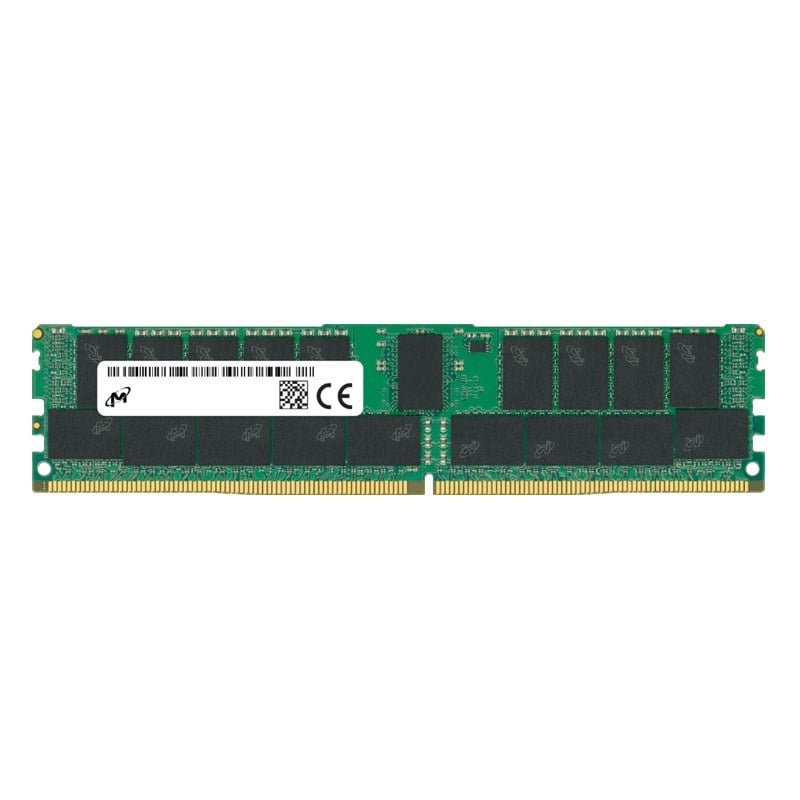
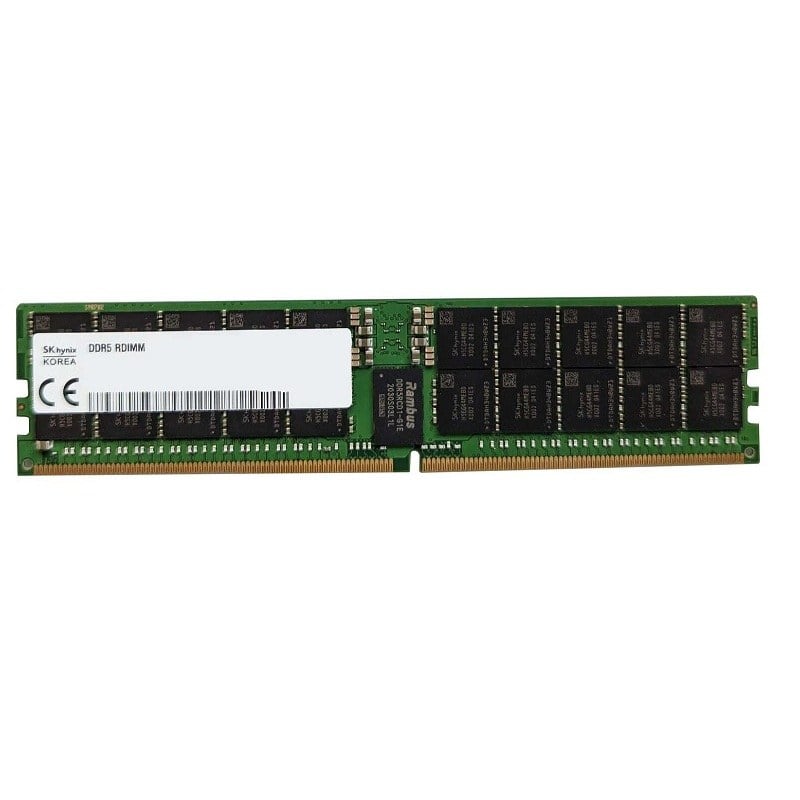
In the world of computer technology, memory modules play a crucial role in ensuring your system’s performance and reliability. One such memory module that has garnered attention is the Hynix HMCGM4MEBQB233N. This comprehensive guide will walk you through everything you need to know about this memory module. We will explore its specifications, features, applications, and why it’s an excellent choice for server environments. The Hynix HMCGM4MEBQB233N PC5-38400 is a memory module developed by Hynix, a well-known manufacturer of semiconductor and memory solutions. It is specifically designed for use in server systems, which are computing devices optimized for handling various tasks and data processing on a large scale. This memory module belongs to the DDR5 (Double Data Rate 5) Synchronous Dynamic Random-Access Memory (SDRAM) family and comes in a 288-PIN Rdimm (Registered Dual In-Line Memory Module) form factor.
Memory Capacity Hefty 96GB
This size makes it well-suited for data-intensive server applications that demand large amounts of memory to handle complex tasks efficiently. The Hynix HMCGM4MEBQB233N offers a substantial memory capacity of 96 Gigabytes. Whether it’s a database server, virtualization server, or any other resource-intensive server, this 96GB of memory can significantly enhance the server’s performance by allowing it to store and process more data simultaneously. This means faster response times and smoother operations, ultimately leading to improved user experiences.
Synchronous Dynamic Random-Access Memory
DDR5, which stands for Double Data Rate 5, is the fifth generation of DDR Synchronous Dynamic Random-Access Memory (SDRAM). It is the latest iteration in the DDR series and offers several advantages over its predecessors.
DDR5 Advantages Memory ModuleHigher Data Transfer Rates
DDR5 memory offers substantially higher data transfer rates compared to previous generations. This means that data can be read from and written to memory faster, reducing data bottlenecks and improving overall system performance.
Improved Bandwidth
DDR5 memory modules have wider data buses, allowing them to transfer more data in a single clock cycle. This results in increased memory bandwidth, which is crucial for demanding server applications.
Lower Power Consumption
DDR5 memory is designed to be more power-efficient, which is vital for servers that run 24/7. Lower power consumption translates to reduced operating costs and a smaller environmental footprint.
Increased Capacity
DDR5 memory supports higher capacities, making it ideal for servers that need to handle vast amounts of data.
Enhanced Reliability
DDR5 features improved error correction capabilities, ensuring the integrity of data, which is crucial for servers where data accuracy is paramount.
Form Factor 288-PIN Rdimm Module
The form factor of a memory module refers to its physical size and shape, as well as the number of pins used for connectivity. In the case of the Hynix HMCGM4MEBQB233N, it has a 288-PIN Rdimm (Registered Dual In-Line Memory Module) form factor.
Registered vs. Unbuffered Memory
Registered memory, often referred to as buffered memory, includes a register between the memory module and the memory controller. This register helps improve memory stability and capacity but adds a slight delay in memory access. Registered memory is typically used in servers where reliability is paramount.
Error Correction Code
ECC, or Error Correction Code, is a crucial feature for server memory modules. It provides an additional layer of data integrity and reliability, helping to detect and correct errors in the stored data. ECC memory is essential in server applications, where data accuracy is critical, and even a single bit error could lead to system instability or data corruption.
CAS Latency Measure of Memory Speed
CAS Latency (CL) is a measure of memory speed and is defined as the number of clock cycles it takes for the memory module to respond to a read request. A lower CAS Latency indicates faster memory response times. In the case of the Hynix HMCGM4MEBQB233N, it has a CAS Latency (CL) of 40. While this might seem high compared to some consumer-grade memory modules, it’s important to understand that server memory prioritizes data integrity and stability over raw speed. Servers often use higher CAS Latency memory to reduce the risk of data errors and improve system reliability.
Impact of CAS Latency
- Lower CAS Latency: Better for applications that require lightning-fast data access, such as gaming or high-frequency trading.
- Higher CAS Latency: More suitable for server environments where data accuracy and reliability are top priorities.
Voltage – Energy Efficiency
The Hynix HMCGM4MEBQB233N operates at a voltage of 1.2V. This relatively low voltage is a reflection of its energy efficiency. In server environments, where systems often run continuously, lower power consumption is highly desirable for several reasons:
Energy Savings
- Reduced Operating Costs: Lower power consumption results in reduced electricity bills for server operators. Over time, this can translate to significant cost savings, especially in data centers with numerous servers.
- Environmental Impact: Lower power consumption not only saves money but also reduces the carbon footprint of the server infrastructure. This is an important consideration for organizations committed to sustainability and environmental responsibility.
- Cooling Requirements: Servers generate heat, and efficient cooling systems are required to maintain optimal operating temperatures. Lower power consumption reduces heat output, thereby decreasing the cooling demands and associated costs.
- Longevity: Operating at lower voltage levels can also extend the lifespan of server components, as it reduces wear and tear caused by heat and power fluctuations.
Registered Improved Reliability
The Hynix HMCGM4MEBQB233N memory module is registered, indicated by the “RDIMM” designation. Registered memory includes a register (buffer) between the memory module and the memory controller. This register helps enhance memory stability and capacity.
Key Advantages of Registered MemoryIncreased Capacity
Registered memory allows for greater memory capacities, which is particularly important in servers dealing with large datasets or multiple virtual machines.
Reduced Load on Memory Controller
The register helps to reduce the electrical load on the memory controller, which can improve system stability, especially when using multiple memory modules.
Improved Data Integrity
Registered memory can improve data integrity and reliability, which is crucial in server applications where errors in data processing can have serious consequences.
However, it’s important to note that registered memory typically introduces a slight delay in memory access compared to unbuffered (unregistered) memory. This trade-off is acceptable in server environments where data accuracy and reliability are paramount.
Use Cases Memory module
The Hynix HMCGM4MEBQB233N DDR5 memory module is tailored for server applications, and its specifications make it an excellent choice for various use cases in the server industry
Database ServersServers running databases, which require quick and efficient data access, benefit from the high memory capacity and ECC support
Virtualization Servers: Virtualization technology, which allows multiple virtual machines to run on a single physical server, demands substantial memory. The 96GB capacity of this memory module is well-suited for such serversBig Data Processing Big data applications, which involve processing and analyzing vast datasets, require large memory capacities. The 96GB capacity and ECC support enhance the reliability of data processing. Cloud Computing Cloud servers, which host a wide range of applications and services, need reliable and efficient memory. ECC support and registered memory improve overall server stability.Scientific Computing Servers used in scientific research often handle complex simulations and calculations. The combination of high capacity and ECC support is invaluable in these applications.Financial ServicesServers used in the financial sector must handle massive amounts of data with absolute precision. ECC support ensures data accuracy and integrity.HealthcareIn healthcare, servers are used to store and process patient data and medical records. The reliability of ECC memory is crucial to ensure the accuracy and security of this sensitive information.Benefits of Using Hynix HMCGM4MEBQB233N DDR5 Memory
Now that we have a deep understanding of the technical specifications and use cases, let’s explore the benefits of using the Hynix HMCGM4MEBQB233N DDR5 memory module in server environments.
Enhanced Performance
With a massive 96GB capacity and DDR5 technology, this memory module can significantly boost server performance. The higher data transfer rates and increased memory bandwidth result in faster data processing and reduced latency, making it ideal for applications that demand high throughput.
Data Integrity
ECC support is a critical feature in server memory. It ensures that data stored in memory is accurate and reliable. For industries such as finance and healthcare, where data integrity is non-negotiable, the Hynix HMCGM4MEBQB233N provides an extra layer of protection against data errors.
Stability
The registered (RDIMM) design of this memory module contributes to server stability. It helps reduce the electrical load on the memory controller and enhances system reliability. For servers running mission-critical applications, stability is of utmost importance.
Energy Efficiency
Operating at 1.2V, this memory module is energy-efficient. It not only saves on power consumption but also reduces cooling requirements, lowering the total cost of ownership for server operators.
Scalability
The 96GB capacity allows for future scalability. As server workloads increase over time, this memory module can accommodate the growing demand for memory without needing a complete hardware upgrade.
Broad Applicability
The Hynix HMCGM4MEBQB233N DDR5 memory module is versatile, catering to a wide range of server applications. Its suitability for database servers, virtualization servers, big data processing, and more makes it a cost-effective solution for diverse server environments.
General Information about the Hynix HMCG94MEBRA108N
- Manufacturer: Hynix
- Model Number or SKU# HMCGM4MEBQB233N
- Product Type: Memory Module
Technical information of the Hynix Memory
- Storage Capacity: 96GB
- Memory Technology: DDR5 SDRAM
- Number of Modules: 1 x 96GB
- Bus Speed: 4800MT/s DDR5-4800/PC5-38400
- Data Integrity Check: ECC (Error-Correcting Code)
- Signal Processing: Registered
- CAS Latency Timings: CL40
- Rank Features: 2Rx4
In summary, the Hynix HMCGM4MEBQB233N 96GB DDR5 memory module is a powerful and reliable solution for server applications. Its impressive technical specifications, including a high capacity of 96GB, ECC support, registered design, and energy efficiency, make it an excellent choice for businesses and organizations operating servers in a variety of industries. Whether you are running database servers, virtualization environments, big data applications, or scientific computing workloads, this memory module can enhance your server’s performance and reliability. The benefits it offers, such as improved data integrity, system stability, and scalability, contribute to a more efficient and cost-effective server infrastructure.
Investing in quality server memory like the Hynix HMCGM4MEBQB233N is an important step towards ensuring that your server infrastructure can meet the demands of today’s data-driven world. By choosing a memory module with the right technical specifications and features, you can create a robust and dependable server environment that supports your organization’s growth and success.