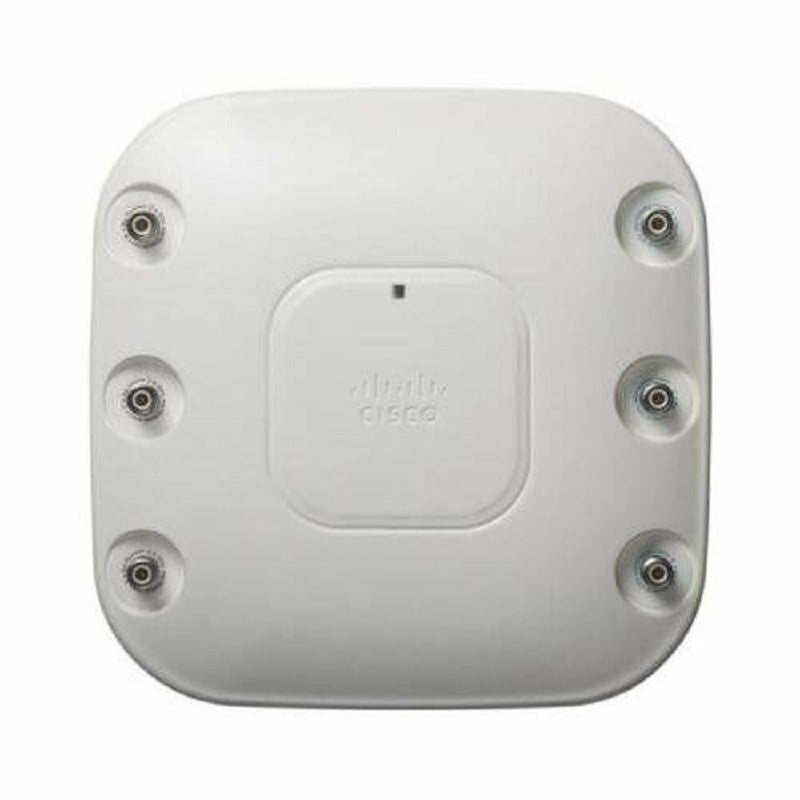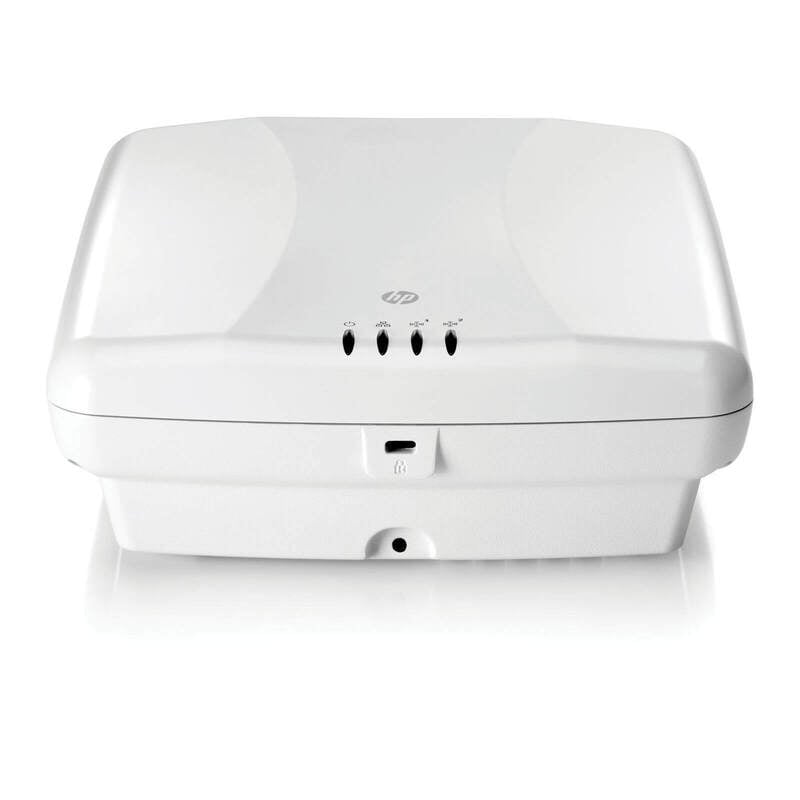


Description
Network connectivity options
The Cisco Aironet 1552S Wireless Access Point (WAP) provides various network connectivity options to support different deployment scenarios. Some of the network connectivity options of the AIR-CAP1552SA-B-K9 Cisco Aironet 1552S WAP are:
- Ethernet: The WAP supports Ethernet connectivity, allowing it to connect to wired networks and provide wireless access to the network’s clients.
- Power over Ethernet (PoE): The WAP supports PoE, which means it can receive power and data over the same Ethernet cable, simplifying installation and reducing the need for separate power cables.
- Mesh networking: The WAP can be configured to work in a mesh network, where multiple WAPs communicate with each other wirelessly to extend the coverage of the wireless network.
- Wireless distribution system (WDS): The WAP can be configured to use WDS, which allows it to act as a wireless repeater, extending the coverage of the wireless network without the need for additional wiring.
- Point-to-point and point-to-multipoint bridging: The WAP can be configured to provide point-to-point and point-to-multipoint bridging, allowing it to connect remote networks wirelessly.
- Radio resource management (RRM): The WAP’s RRM feature optimizes the use of the wireless spectrum by automatically adjusting the power and channel settings of the access points in the network.
- Multiple SSIDs: The WAP can support multiple service set identifiers (SSIDs), which allows it to provide different wireless networks for different purposes or user groups.
Security features
The Cisco Aironet 1552S Wireless Access Point (AP) is designed to provide secure and reliable wireless connectivity in outdoor environments. It includes a range of security features to protect the network and ensure that only authorized devices can access the wireless network. Some of the key security features of the AIR-CAP1552SA-B-K9 Cisco Aironet 1552S Wireless Access Point include:
- IEEE 802.11i Security: This feature provides robust security through the implementation of Wi-Fi Protected Access (WPA2) and Advanced Encryption Standard (AES) encryption. It ensures that all data transmitted over the wireless network is encrypted and secure.
- Integrated IPSec VPN: The AP includes a built-in IPSec VPN client to encrypt traffic between the AP and the wireless LAN controller, providing secure communication between the AP and controller.
- Secure Management: The AP supports a range of secure management protocols, including Secure Shell (SSH), Secure Sockets Layer (SSL), and SNMPv3. These protocols provide secure access to the AP and prevent unauthorized access to the configuration interface.
- MAC Address Filtering: The AP can be configured to only allow devices with specific MAC addresses to connect to the network, providing an additional layer of security.
- Rogue Access Point Detection: The AP can detect and prevent rogue APs from connecting to the network, protecting the network from unauthorized access.
- Network Admission Control: The AP supports Cisco’s Network Admission Control (NAC) protocol, which checks the health of devices before allowing them to connect to the network. This feature helps prevent infected or vulnerable devices from accessing the network.
Configuration and management
The Cisco Aironet 1552S Wireless Access Point (AP) is designed for outdoor deployments and is built to withstand harsh environmental conditions. The AIR-CAP1552SA-B-K9 model is a variant of the 1552S AP with an integrated antenna.
Configuration:
- Physical installation: Before configuring the access point, the device needs to be physically installed in a suitable location. This includes mounting the AP and connecting the Ethernet cable to the network.
- Accessing the device: Once the physical installation is complete, the next step is to access the device’s graphical user interface (GUI). This can be done by typing the AP’s IP address into a web browser.
- Basic configuration: Once logged into the AP, basic configuration settings such as network connectivity, SSID, and security settings can be set up. These settings will allow the AP to communicate with the rest of the network and provide wireless access to clients.
- Advanced configuration: Depending on the deployment requirements, advanced configurations such as VLANs, QoS, and Mesh networking can be configured.
Management:
- Monitoring: The Cisco Aironet 1552S AP can be monitored through various tools, including Cisco Prime Infrastructure and the device’s web-based GUI. These tools allow for monitoring of the AP’s health, performance, and clients connected to the network.
- Firmware updates: Keeping the AP’s firmware up to date is critical for maintaining security and performance. Firmware updates can be downloaded from Cisco’s website and installed through the AP’s GUI.
- Troubleshooting: If issues arise with the AP, troubleshooting steps can be taken to isolate and resolve the issue. These steps can include reviewing logs, checking connectivity, and testing clients.
- Configuration backups: It’s important to keep backups of the AP’s configuration to avoid loss of settings in case of device failure or changes made by other users. The AP’s configuration can be backed up through the device’s GUI or command-line interface.
Detail Description:
- Manufacturer Cisco Systems, Inc
- Manufacturer Part Number AIR-CAP1552SA-B-K9
- Type: Networking
- Sub-Type: Wireless 300MBPS
- Brand Name Cisco
- Product Line Aironet
- Product Series 1550
- Product Model 1552S
- Product Name Aironet 1552S Wireless Access Point
- Product Type Wireless Access Point
Technical Information:
- Wireless LAN Standard IEEE 802.11n
- Frequency Band 2.40 GHz
- Frequency Band 5 GHz
- Number of External Antennas 3
- Wireless Transmission Speed 300 Mbit/s
- MIMO Technology Yes
- Beamforming Technology Yes
Interfaces/Ports
- Ethernet Technology Gigabit Ethernet
- PoE (RJ-45) Port No
- PoE PD Port Yes
- VGA No
- HDMI No
- USB No
- Powerline No
- Management Port No