

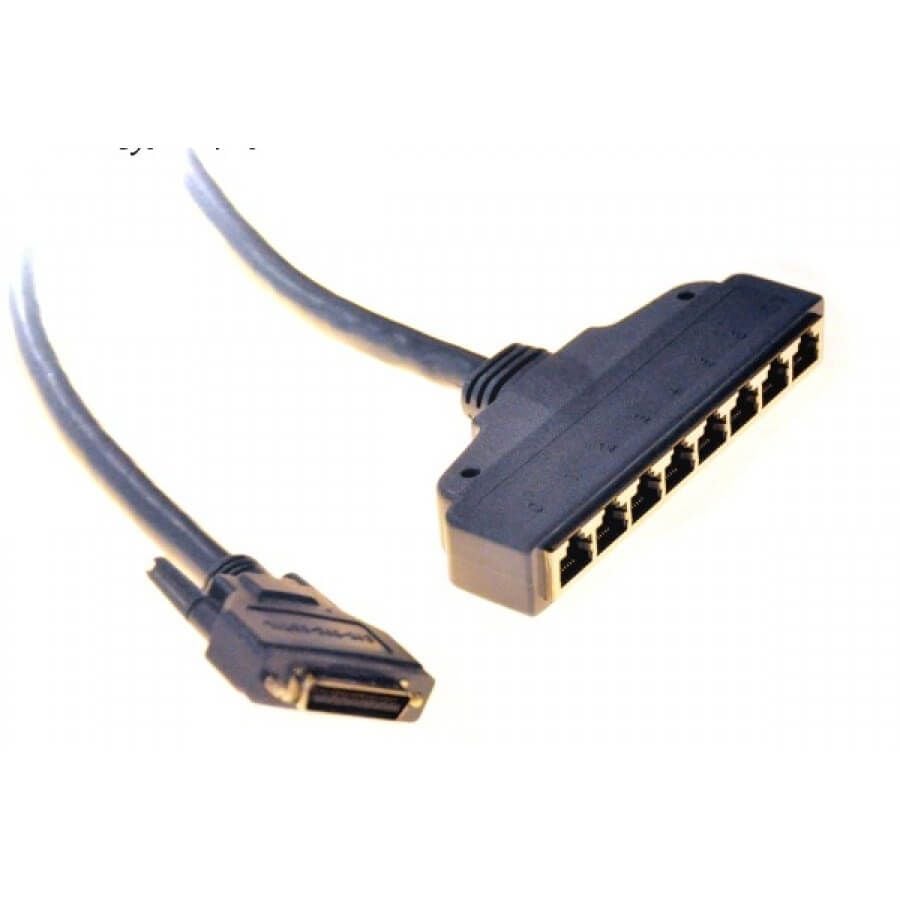
Description
Best Practices for Deploying
The CAB-DFC-OCTAL-1MF is a 1 meter 8 PRI DFC cable produced by Cisco for use in digital signal processing applications. When deploying this cable, it is important to follow best practices to ensure optimal performance and reliability. Here are some best practices for deploying the CAB-DFC-OCTAL-1MF cable:
- Proper Cable Management: Proper cable management is critical for ensuring the longevity of the CAB-DFC-OCTAL-1MF cable. This includes routing the cable in a way that minimizes strain and bending, avoiding sharp bends or kinks, and securing the cable to prevent it from becoming loose or disconnected.
- Use the Correct Connectors: It is important to use the correct connectors when deploying the CAB-DFC-OCTAL-1MF cable. Using incompatible connectors can lead to signal loss, interference, and other issues. Always ensure that the connectors used are compatible with the cable and the equipment it is being connected to.
- Use High-Quality Components: Using high-quality components is critical for ensuring optimal performance and reliability. When selecting components, ensure that they meet or exceed the specifications of the CAB-DFC-OCTAL-1MF cable and the equipment it is being connected to.
- Perform Regular Inspections: Regular inspections can help to identify potential issues before they become major problems. Inspect the cable and its connectors regularly for signs of wear and damage, and replace any components that show signs of wear or damage.
- Follow Manufacturer Recommendations: Follow the manufacturer’s recommendations for installation and deployment of the CAB-DFC-OCTAL-1MF cable. This includes following recommended installation procedures, using recommended components and tools, and avoiding practices that may damage or degrade the cable.
Future Trends and Developments
As technology continues to evolve, the future trends and developments of the CAB-DFC-OCTAL-1MF cable are likely to be influenced by several factors. Here are some potential trends and developments for the CAB-DFC-OCTAL-1MF cable:
- Increased Bandwidth: As network traffic continues to grow, there may be a need for higher bandwidth cables such as the CAB-DFC-OCTAL-1MF to keep up with demand. Manufacturers may develop cables with greater bandwidth and faster data transfer rates to accommodate this growth.
- Integration with Emerging Technologies: As new technologies such as 5G, IoT, and edge computing become more widespread, the CAB-DFC-OCTAL-1MF cable may need to be adapted to integrate with these technologies. This could include developing new cable types or connectors to accommodate the specific requirements of these emerging technologies.
- Improved Durability and Reliability: As the demand for high-quality cables continues to grow, manufacturers may develop cables that are more durable and reliable. This could include developing cables with improved materials, better shielding, or more robust connectors to improve the lifespan and performance of the cable.
- Increased Focus on Security: As cyber threats become more sophisticated, there may be an increased focus on the security of cables such as the CAB-DFC-OCTAL-1MF. Manufacturers may develop cables with built-in security features or improve existing security measures to protect against cyber attacks.
- Growing Adoption of Fiber Optic Cables: As fiber optic technology continues to evolve, there may be a growing adoption of fiber optic cables for data transfer applications. This could lead to a shift away from traditional copper-based cables like the CAB-DFC-OCTAL-1MF, as fiber optic cables offer higher bandwidth and greater transmission distances.
Troubleshooting Common Issues
The CAB-DFC-OCTAL-1MF is a 1 meter 8 PRI DFC cable produced by Cisco for use in digital signal processing applications. Like any cable, it can experience issues that may require troubleshooting. Here are some common issues with the CAB-DFC-OCTAL-1MF cable and how to troubleshoot them:
- Connectivity Issues: If the cable is not connecting properly, ensure that the connectors are securely attached and that they are the correct type for the equipment being used. Check that the cable is not damaged, kinked, or stretched beyond its maximum bend radius, as these issues can affect connectivity.
- Signal Loss: Signal loss can be caused by a variety of factors, including cable length, interference from other devices, and signal attenuation. Check that the cable length is within the recommended range for the equipment being used, and that the cable is not damaged or worn. Use high-quality components and minimize the distance between connectors to minimize signal loss.
- Crosstalk: Crosstalk is interference between adjacent wires in the cable, which can result in signal degradation. To troubleshoot crosstalk issues, check that the cables are properly twisted, use shielded cables, and avoid routing cables close to other cables or electrical equipment.
- Electromagnetic Interference (EMI): EMI can be caused by other electronic devices in the area or by the cable itself. To troubleshoot EMI issues, ensure that the cable is properly grounded, use shielded cables, and minimize the distance between connectors to reduce the risk of interference.
- Physical Damage: Physical damage to the cable can occur due to factors such as crushing, stretching, or bending beyond the recommended limits. To troubleshoot physical damage, inspect the cable for any signs of damage such as cuts, abrasions, or kinks, and replace the cable if any damage is found.
- Software Configuration: Sometimes issues with the CAB-DFC-OCTAL-1MF cable can be caused by software configuration issues. Check that the software is correctly configured for the cable and that all settings are within the recommended range.
General Information:
- Manufacturer: Cisco Systems, Inc
- Manufacturer Part Number: CAB-DFC-OCTAL-1MF
- Brand Name: Cisco
- Product Name: 1 Meter 8 PRI DFC Cable Female RJ45
- Product Type: DFC Cable
Technical Information:
- Cable Length: 3.28 ft
- Device: 8 x RJ-45 Female Network


