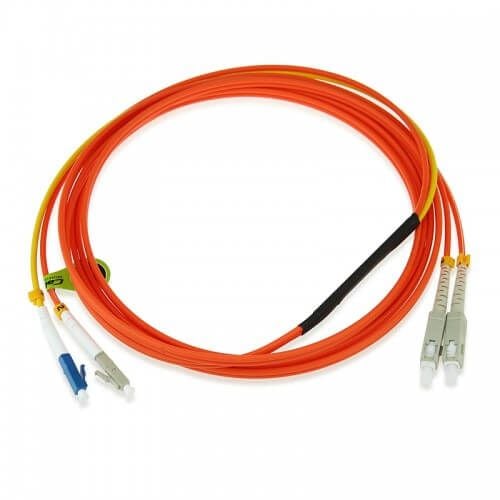
Description
Antenna Cable Maintenance and Repair
Maintenance and repair of the CAB-L600-30-N-N Cisco Low-loss N-Type Antenna Cable is essential to ensure that it functions optimally and provides reliable connectivity between the antenna and the networking device. Here are some tips for maintaining and repairing this type of antenna cable:
- Regular Inspection: Inspect the cable regularly for signs of wear and tear, such as frayed or damaged connectors, cracks in the cable, or kinks or bends in the cable. If any issues are identified, repair or replace the cable promptly.
- Cleaning: Keep the cable clean and free of debris, dust, and moisture. Use a dry cloth to clean the cable gently, and avoid using any chemicals or solvents that could damage the cable or connectors.
- Avoid Bending: Avoid bending or twisting the cable, as this can damage the internal wires or break the connectors.
- Proper Storage: Store the cable properly when not in use, coiling it loosely and avoiding sharp bends or kinks that can cause damage.
- Repair or Replacement: If the cable is damaged, consider repairing or replacing it, depending on the severity of the damage. Small repairs can be made by splicing or reattaching the damaged section of the cable. In some cases, the entire cable may need to be replaced.
- Testing: Test the cable for continuity and resistance using a multimeter to ensure that it is functioning correctly.
By following these tips, you can maintain and repair the CAB-L600-30-N-N Cisco Low-loss N-Type Antenna Cable effectively and ensure that it delivers reliable performance and connectivity for your networking needs.
Materials Used in Antenna Cables
Antenna cables are designed to transmit signals from an antenna to a receiver, and the choice of materials used in the construction of the cable can affect its performance. The CAB-L600-30-N-N Cisco Low-loss N-Type Antenna Cable is made using high-quality materials that are optimized for low-loss signal transmission. Here are some common materials used in antenna cables:
- Copper: Copper is a common material used in antenna cables due to its high conductivity, which allows for efficient signal transmission. Copper can be used as a conductor in the cable core or as a coating on the cable’s outer layer.
- Dielectric Materials: Dielectric materials are used to insulate the conductive core of the antenna cable from the cable’s outer layer. The dielectric material reduces the amount of signal loss by preventing the signal from leaking out of the cable.
- Shielding Materials: Shielding materials are used to prevent electromagnetic interference from other sources, which can disrupt the signal. Shielding materials can be made of copper or aluminum, and are often coated with a layer of conductive plastic to provide additional insulation.
- Jacketing Materials: The outer layer of the antenna cable is typically made of a durable material like polyethylene, which provides protection against environmental factors like water, temperature, and sunlight.
- Connectors: Connectors are also an essential part of the antenna cable and are typically made of materials like brass or stainless steel. The connectors ensure a secure and tight fit between the cable and the antenna or receiver, and minimize signal loss due to impedance mismatches.
By using high-quality materials in the construction of the CAB-L600-30-N-N Cisco Low-loss N-Type Antenna Cable, the cable provides reliable and low-loss signal transmission between the antenna and receiver. The use of high-quality materials ensures that the cable is durable, resistant to environmental factors, and provides high-quality signal transmission.
Environmental Considerations for Antenna Cables
When it comes to choosing an antenna cable like the CAB-L600-30-N-N Cisco Low-loss N-Type Antenna Cable, environmental considerations are essential. Antenna cables are used in a variety of environments, and the conditions they are exposed to can have a significant impact on their performance and lifespan. Here are some key environmental considerations to keep in mind:
- Temperature: Extreme temperatures, whether hot or cold, can impact the performance of antenna cables. When exposed to extreme temperatures, the materials used in the cable may expand or contract, potentially affecting its signal quality. It’s important to choose an antenna cable that is rated for the temperature range in which it will be used.
- Moisture: Antenna cables used in outdoor environments are likely to be exposed to moisture, whether from rain, snow, or humidity. Moisture can corrode the cable’s connectors and lead to signal loss or other issues. Choosing a cable that is rated for outdoor use and has weather-resistant connectors can help to mitigate this issue.
- Chemical exposure: Antenna cables used in industrial settings may be exposed to chemicals or other substances that could damage the cable’s insulation or connectors. It’s important to choose a cable that is rated for the specific chemicals that it will be exposed to.
- Electromagnetic interference (EMI): EMI from other electronic devices or power sources can impact the performance of an antenna cable. Shielding can help to reduce the impact of EMI, so it’s important to choose a cable with good shielding.
- UV exposure: Antenna cables used in outdoor environments may be exposed to UV rays, which can cause the cable’s insulation to degrade over time. Choosing a cable with UV-resistant insulation can help to mitigate this issue.
By considering these environmental factors when choosing and installing the CAB-L600-30-N-N Cisco Low-loss N-Type Antenna Cable, you can ensure that it performs optimally and has a longer lifespan. Regular maintenance and inspection of the cable can also help to detect and address any environmental issues before they become significant problems.
General Information
- Manufacturer: Cisco Systems, Inc
- Manufacturer Part Number: CAB-L600-30-N-N
- Brand Name: Cisco
- Product Name: N-Type Antenna Cable
- Product Type: Antenna Cable
Technical Information
- Cable Type: N-Type
- Cable Length: 30 ft
- Connector on First End: 4 x N-Type Male Antenna
- Connector on Second End: 4 x N-Type Male Antenna
- Device Supported: Antenna
Compatibility
- Cisco Outdoor Dual-Band Omnidirectional Antenna
Please contact us over the phone or ask for live chat/help if you have any questions about the estimated time of arrival for any “lead time required” item.