
Description
Maximize Efficiency with ATM Shared Port Networking Solution
Maximizing the efficiency of ATM (Asynchronous Transfer Mode) shared port networking adapter refers to optimizing its performance to handle high amounts of data transfer in a reliable and efficient manner.
The following are some ways to maximize the efficiency of an ATM shared port network adapter:
- Bandwidth Management: This involves allocating bandwidth in a way that the shared port is used to its full potential without overloading the network. This can be achieved by prioritizing important data transfers and limiting low-priority data transfer.
- Quality of Service (QoS): Implementing QoS helps to manage the flow of data, ensuring that important data transfers receive the required bandwidth. It also reduces the impact of low-priority data transfers on high-priority transfers, which minimizes network congestion.
- Load Balancing: This involves distributing data transfer evenly across multiple shared ports, reducing the load on a single shared port and improving the efficiency of the network.
- Network Virtualization: By virtualizing the network, multiple logical networks can be created within the same physical network, improving the management of the network and maximizing its efficiency.
- Port Density: Increasing the number of shared ports increases the efficiency of the network, reducing network congestion and improving data transfer speed.
By maximizing the efficiency of the ATM shared port network adapter, it can handle large amounts of data transfer in a reliable and efficient manner, improving the overall performance of the network.
Streamline Your Network Connectivity
Streamlining the network connectivity of an ATM (Asynchronous Transfer Mode) shared port networking adapter involves optimizing the process of transmitting data across a network. This involves reducing network latency, maximizing network speed, and improving network reliability.
One of the ways to streamline network connectivity is to use advanced network protocols like MPLS (Multiprotocol Label Switching) which allows for efficient routing of network traffic. Another way is to implement Quality of Service (QoS) policies which prioritize critical network traffic over less important traffic, ensuring that the most important data is transmitted quickly and efficiently.
In addition, load balancing and traffic shaping techniques can be used to distribute network traffic evenly and reduce the impact of heavy traffic periods. This helps to ensure that network resources are used effectively and network performance is optimized.
Another important aspect of streamlining network connectivity is to ensure that the network infrastructure is designed and implemented correctly. This involves using the latest network hardware and software technologies, such as switches and routers with high-speed connectivity capabilities.
Finally, ongoing monitoring and maintenance of the network is important to ensure that any issues are quickly identified and resolved. This helps to ensure that the network remains reliable and efficient, and that the connectivity and performance of the ATM shared port networking adapter is optimized.
Simplify Network Connections with ATM Shared Port Adapter
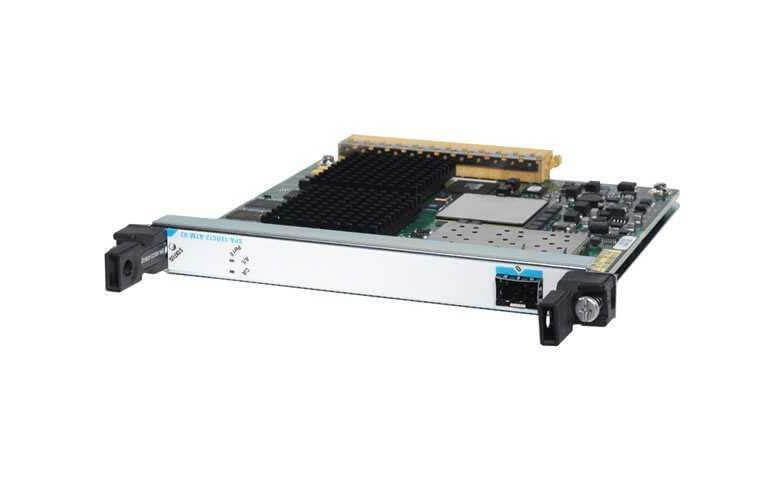
ATM (Asynchronous Transfer Mode) Shared Port Networking Adapter is a networking device that helps simplify network connections. It allows multiple devices to share a single physical port, reducing the number of ports required and making the network more efficient.
The ATM Shared Port Networking Adapter functions as a switch and multiplexes data from multiple devices into a single stream. This stream is then transmitted over the ATM network, which uses a cell-based transfer method to transmit data. The adapter also demultiplexes the data at the receiving end and distributes it to the intended devices.
This device eliminates the need for multiple physical ports for each device, reducing the cost and complexity of the network. It also reduces cable clutter and improves network organization. Additionally, the shared port adapter provides improved scalability and flexibility, allowing new devices to be added to the network without the need for additional hardware.
General Information
- Manufacturer Cisco Systems, Inc
- Manufacturer Part Number SPA-1XOC12-ATM-V2
- Brand Name Cisco
- Product Name 1-Port OC12c/STM4c ATM Shared Port Adapter
- Product Type Shared Port Adapter
Technical Information
- Application/Usage Data Networking
Media & Performance
- Data Transfer Rate 622.08 Mbps OC-12c/STM-4c
- I/O Expansions
- Expansion Slots 1 x SFP
Management & Protocols
- Management
- SNMP
- IEEE 802.1p QoS
Physical Characteristics
- Dimensions 0.8″ Height x 6.8″ Width x 7.3″ Depth
- Weight (Approximate) 15.20 oz
Miscellaneous
- Additional Information
- Switched-virtual-circuit (SVC) signaling (point-to-point connections)
- SVC signaling (point-to-multipoint connections)
- UNI Version 3.0/3.1 (including ILMI)
- Multiprotocol Encapsulation over AAL5
- Classical IP over ATM; client and Address Resolution Protocol (ARP) server
- PWE3 support
- ATM permanent virtual circuits (PVCs) and switched virtual circuits (SVCs)
- Interim Local Management Interface (ILMI) 1.0
- Layer 2 transport and Layer 3 termination on the same port
- ATM over MPLS
- Per-virtual circuit and per-virtual path statistics
Compatibility
- Cisco XR 12000 Series Routers
- Cisco CRS-1 Carrier Routing System