

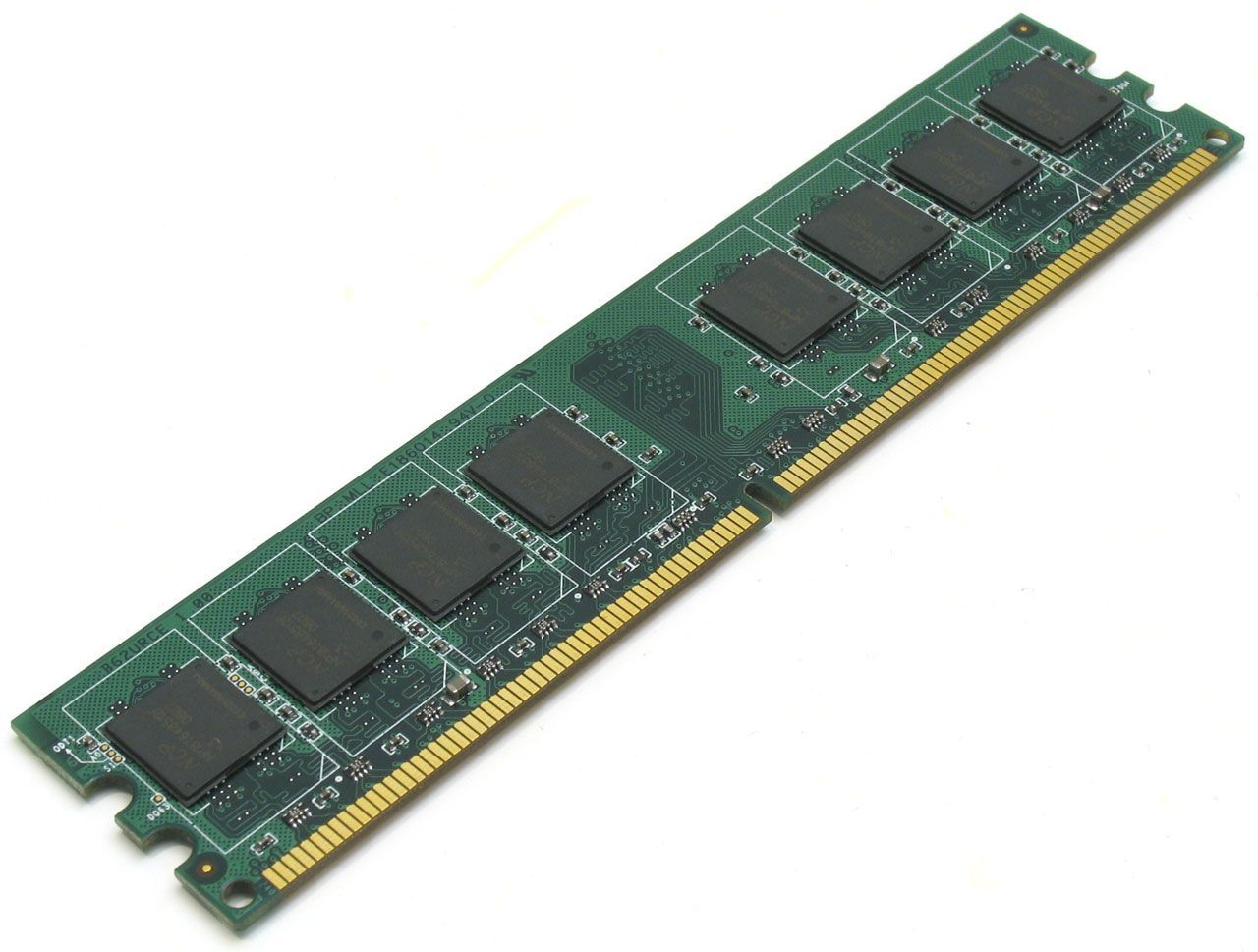
Description
Ideal for Mission-Critical Applications
Mission-critical applications are those that are considered vital to the operations of an organization, and the failure of which would have significant consequences. Examples of mission-critical applications include financial systems, healthcare systems, and emergency response systems.
For a system to be considered ideal for mission-critical applications, it must have several key characteristics, including:
- High availability: The system must be designed to have a high level of uptime and availability, to ensure that it is always available when needed.
- Fault tolerance: The system should be designed to be able to handle and recover from failures and disruptions, to minimize the impact of any issues.
- Scalability: The system should be able to scale up or down as needed, to handle changing demands and ensure that it can always meet the needs of the organization.
- Security: The system should be designed to protect sensitive data and information, and prevent unauthorized access.
- Performance: The system should be able to deliver high performance and fast response times, to ensure that it can handle high traffic and meet the needs of the organization.
- Monitoring and maintenance: The system should be designed to be easily monitored and maintained, to identify and resolve any issues that might impact performance.
- Compliance: The system should be compliant with industry standards and regulations, to ensure that it meets the requirements of the industry.
Scalability and Upgrade Options
Scalability refers to a system’s ability to handle an increasing amount of work, such as more traffic or more users, without a decrease in performance. Upgrade options, on the other hand, refers to the ability to add new features or capabilities to a system without having to replace the entire system.
A system that is scalable and has upgrade options is able to adapt to the changing needs of an organization, without the need for a complete system replacement. This can help to save costs and minimize disruptions to the organization’s operations.
There are several key factors that contribute to scalability and upgrade options, including:
- Modularity: A system that is designed with modular components can be easily scaled up or down as needed, by adding or removing components.
- Load balancing: A system that is designed to distribute workload among multiple resources can handle heavy traffic and is more likely to scale.
- Cloud-based infrastructure: Cloud-based systems are often more scalable and have more upgrade options, because the resources are provided by a third-party and can be easily scaled up or down as needed.
- Microservices architecture: A system that is designed with microservices architecture can be more scalable and have more upgrade options, because each service can be managed and scaled independently.
- API-based integration: A system that is designed with API-based integration can be more scalable and have more upgrade options, because new features or capabilities can be added by integrating with third-party services or tools.
A scalable and upgradeable system can be crucial for an organization’s growth and changing needs, as it allows them to handle increasing workloads and add new features without the need for a complete system replacement..Easy Installation and Configuration
Easy installation and configuration refer to the ease with which a system can be set up and configured to meet the needs of an organization. A system that is easy to install and configure can be up and running quickly, with minimal disruptions to the organization’s operations.
There are several key factors that contribute to easy installation and configuration, including:
- Simplified setup: A system that has a simplified setup process, with clear instructions and minimal required steps, can be installed and configured quickly and easily.
- Automated installation: A system that has an automated installation process, that requires minimal user intervention, can be installed and configured quickly and easily.
- Self-configuration: A system that can configure itself automatically, with minimal user input, can be installed and configured quickly and easily.
- Easy-to-use interface: A system that has an easy-to-use interface, with clear and intuitive controls, can be configured quickly and easily.
- Plug-and-play: A system that is plug-and-play, that doesn’t require any additional configuration or setup, can be installed and configured quickly and easily.
- Onboarding and Training: A system that provides onboarding and training resources for the user can be installed and configured quickly and easily.
An easy-to-install and configure system is beneficial for an organization as it allows them to get the system up and running quickly, with minimal disruptions to their operations. This can help to save time and resources and allow the organization to start utilizing the system and its benefits as soon as possible.
General Information
- Manufacturer: Cisco
- Manufacturer part number: UCS-MR-1X322RU-A=
- Product name: 32gb ddr4 sdram memory module
Technical Information
- Storage capacity: 32gb
- Memory technology: ddr4 sdram
- Number of modules: 1 x 32gb
- Bus speed: 2133mhz ddr4-2133/pc4-17000
- Data integrity check: ecc
- Signal processing: registered
- Cas latency timings: cl15
- Features: dual rank
- Voltage: 1.2v


