


Description
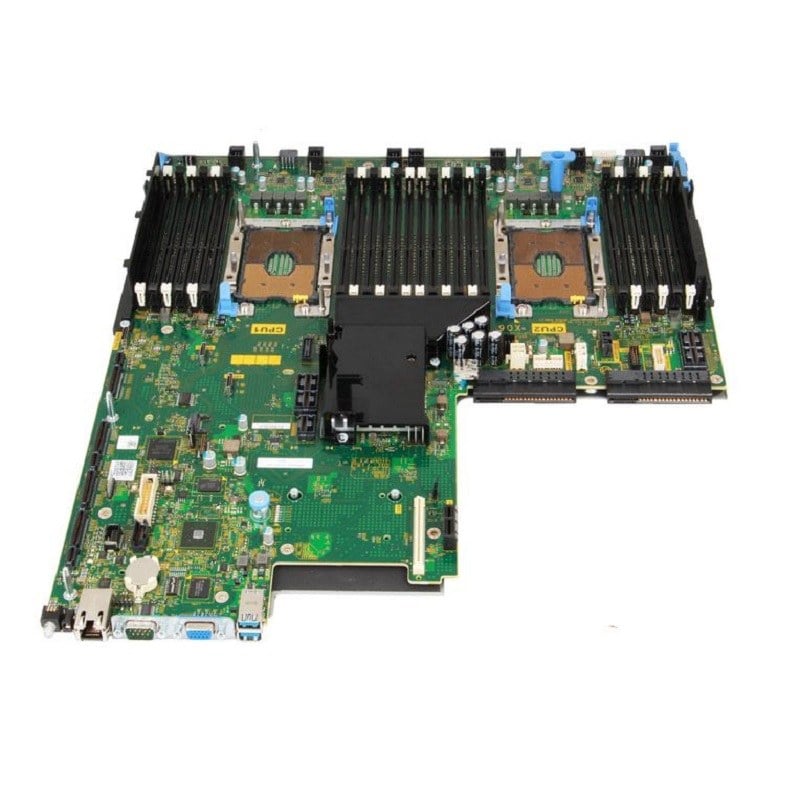
Product overview of the Dell Poweredge R940 Motherboard
The Dell 329-BEOP System Board, also known as the motherboard, is a critical component of the EMC Poweredge R940 server. As the central hub connecting various hardware components, the system board plays a vital role in the server’s functionality, performance, and reliability. Understanding its features, specifications, and compatibility is essential for effective server management and maintenance.
In this comprehensive guide, we will delve into the details of the Dell 329-BEOP System Board, exploring its architecture, functionalities, installation process, and benefits within the context of the EMC Poweredge R940 server.
- Before delving into the specifics of the Dell 329-BEOP System Board, it’s essential to understand the EMC Poweredge R940 server’s significance and its role in enterprise environments.
- The EMC Poweredge R940 is a high-performance, rack-mounted server designed for demanding workloads in data centers, cloud environments, and enterprise IT infrastructures. With its scalable architecture, robust performance capabilities, and advanced management features, the R940 is engineered to deliver exceptional reliability, efficiency, and flexibility for modern computing requirements.
- As the heart of the EMC Poweredge R940, the Dell 329-BEOP System Board integrates seamlessly with other components to ensure optimal performance, data integrity, and system stability.
Understanding the EMC PowerEdge R940
Before we plunge into the specifics of the Dell 329-BEOP System Board, let’s first establish a foundational understanding of the EMC PowerEdge R940 server. The R940 is a flagship model in Dell’s PowerEdge server lineup, renowned for its exceptional processing power, scalability, and reliability. Tailored to meet the demands of enterprise-level applications, the R940 serves as a robust foundation for various business-critical tasks, from data analytics to virtualization.
Features and Specifications of Dell 329-BEOP System BoardForm Factor and Compatibility
The Dell 329-BEOP System Board is engineered with precision to seamlessly integrate with the EMC PowerEdge R940. Adopting the Extended ATX (E-ATX) form factor, this motherboard aligns with industry standards, ensuring compatibility with a wide range of server components. Its compatibility extends beyond just the physical form, encompassing the harmonious integration of processors, memory modules, and expansion cards.
Processor Support
At the core of any server motherboard lies its ability to support powerful processors, and the Dell 329-BEOP excels in this domain. Compatible with the Intel Xeon Scalable processors, this system board is designed to harness the full potential of multi-core processing. This not only ensures the smooth execution of complex tasks but also positions the EMC PowerEdge R940 as a frontrunner in the server market.
Memory Architecture
Memory is a critical component in any server environment, influencing performance and responsiveness. The Dell 329-BEOP System Board supports DDR4 DIMMs, providing an expansive memory architecture for the EMC PowerEdge R940. With support for high-capacity modules and impressive memory speeds, this motherboard enables the server to handle memory-intensive workloads with ease.
Robust Connectivity and Expansion OptionsPCIe Slots and Expansion
In the ever-expanding landscape of data-centric applications, having robust expansion options is paramount. The Dell 329-BEOP System Board doesn’t disappoint in this aspect. Equipped with multiple PCIe slots, including high-speed PCIe 3.0 and PCIe 4.0 interfaces, it offers unparalleled flexibility for integrating additional components such as graphic cards, storage controllers, and networking adapters. This adaptability ensures that the EMC PowerEdge R940 can evolve with the growing demands of diverse workloads.
Storage Interfaces
Storage is a cornerstone of server functionality, especially in enterprise environments dealing with vast amounts of data. The Dell 329-BEOP System Board features a comprehensive set of storage interfaces, supporting various RAID configurations. From traditional hard disk drives (HDDs) to high-performance solid-state drives (SSDs), the motherboard provides a versatile storage foundation that can be tailored to specific application requirements.
Reliability and RedundancyFault Tolerance and Redundancy Features
Enterprise servers demand a high level of reliability and fault tolerance to ensure uninterrupted operation. The Dell 329-BEOP System Board incorporates several features that contribute to the overall reliability of the EMC PowerEdge R940. This includes redundant power supply options, error-correcting code (ECC) memory support, and advanced cooling solutions. These features collectively enhance the server’s resilience to hardware failures, minimizing downtime and ensuring continuous service availability.
Remote Management Capabilities
Efficient server management is a key aspect of maintaining a robust IT infrastructure. The Dell 329-BEOP System Board is equipped with integrated remote management capabilities through Dell’s iDRAC (Integrated Dell Remote Access Controller). This feature empowers administrators with remote monitoring, control, and troubleshooting capabilities, further bolstering the reliability and manageability of the EMC PowerEdge R940.
Thermal Design and Cooling EfficiencyIntelligent Thermal Management
To harness the full power of modern processors and prevent overheating, effective thermal design is paramount. The Dell 329-BEOP System Board incorporates intelligent thermal management solutions, optimizing airflow and heat dissipation within the EMC PowerEdge R940 chassis. This not only ensures consistent performance but also contributes to the longevity of server components, reducing the risk of thermal-induced failures.
Best PracticesPre-Installation Planning
Before beginning the installation process, carefully review the server’s documentation, technical specifications, and compatibility requirements to ensure that the motherboard is compatible with your specific hardware configuration.
Safety Precautions
Power off the server and disconnect all power sources to prevent electrical hazards during the installation process. Use proper electrostatic discharge (ESD) precautions to avoid damaging sensitive components.
Component Compatibility
Verify that all other hardware components, including processors, memory modules, and expansion cards, are compatible with the motherboard and meet the requirements for seamless integration.
Mounting and Alignment
Align the motherboard with the chassis mounting points and secure it in place using the provided screws or mounting brackets. Ensure that all connectors and interfaces are properly aligned and firmly seated to prevent connectivity issues.
Cable Management
Organize and route cables neatly to minimize clutter and optimize airflow within the server chassis. Use cable ties or management clips to secure cables and prevent interference with cooling fans or other components.
Firmware
Upon completing the installation, power on the server and access the system’s firmware interface to configure BIOS settings, perform initial system checks, and ensure proper detection of all installed hardware components.
General Information about the Dell 329-BEOP Server Board
- Manufacturer: Dell
- Part Number or SKU# 329-BEOP
- Product Type: Server Motherboard
Compatibility
- Poweredge R940
Finally, The Dell 329-BEOP System Board (Motherboard) is a critical component of the EMC Poweredge R940 server, providing the foundation for reliable performance, scalability, and manageability in enterprise computing environments. With its advanced features, robust architecture, and seamless integration capabilities, the system board plays a pivotal role in optimizing server operations and meeting the evolving demands of modern businesses.
By understanding the features, specifications, and installation procedures of the Dell 329-BEOP System Board, IT administrators, and data center professionals can effectively leverage its capabilities to enhance server efficiency, reliability, and performance, ultimately driving business success in today’s dynamic digital landscape.


