



Description
Read Intensive SSD
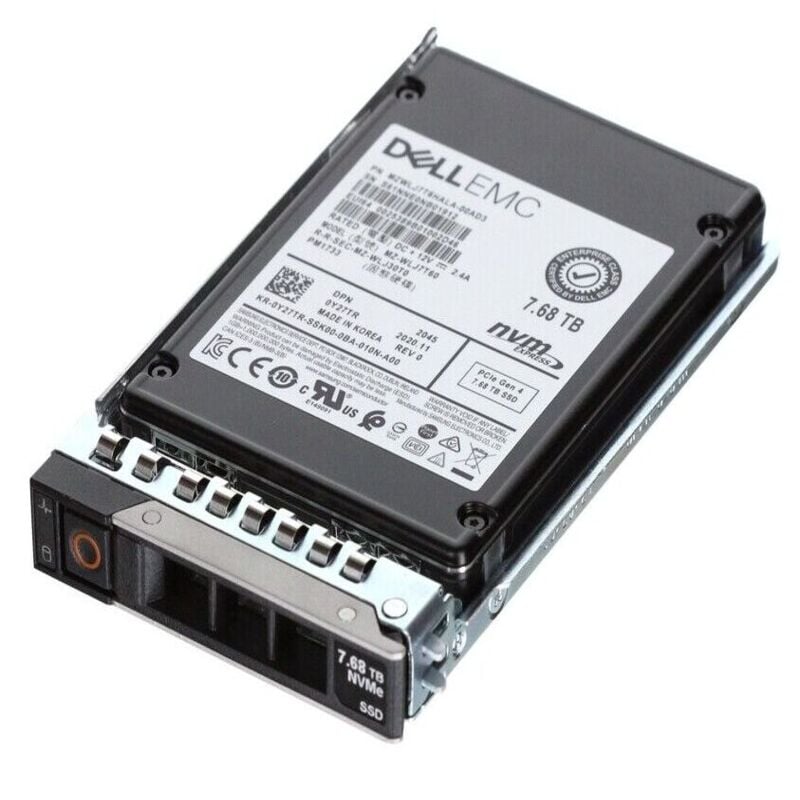
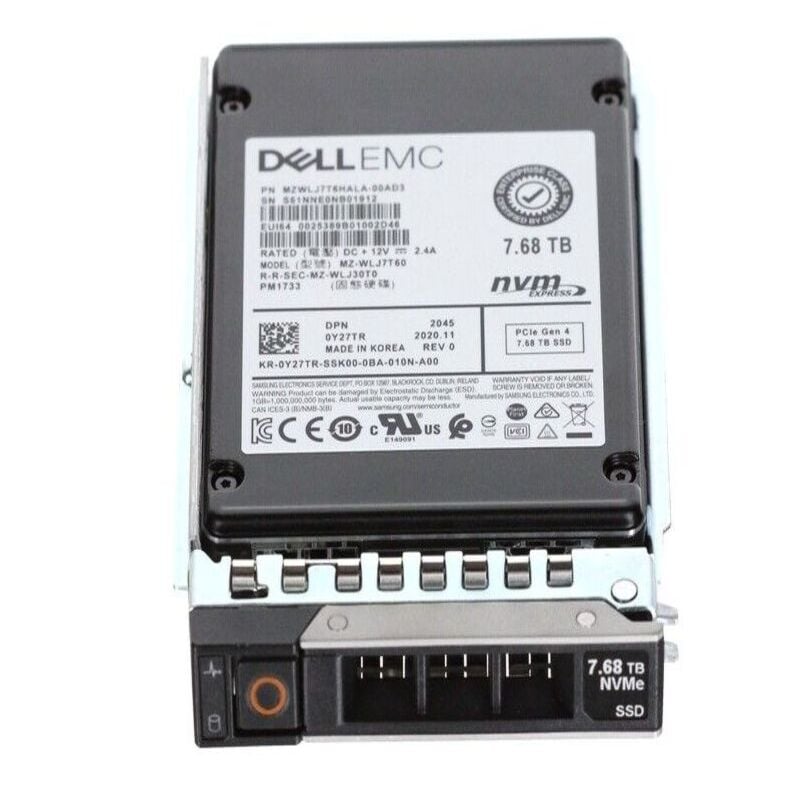
The Dell 400-BKEX 7.68TB PCI-E NVMe TLC solid state drive (SSD) is a high-performance drive that is optimized for read-intensive workloads.
The drive features a PCI Express (PCI-E) interface and uses the NVMe protocol, which allows for fast data transfer speeds and low latency. NVMe is designed to take advantage of the high-speed, low-latency capabilities of PCI-E, providing faster data access than SATA and SAS interface.
The drive has a very high storage capacity of 7.68TB which makes it suitable for data-intensive workloads such as data warehousing, analytics, and other read-heavy applications.
Additionally, it has read-intensive workloads, which mean that it is optimized for high read performance. This makes it well-suited for use cases where the drive will primarily be used to read data, rather than write data.
The drive is also built with TLC (Triple-Level Cell) NAND flash memory, which is less expensive and denser than other types of flash memory. TLC has lower endurance rating compared to other types of flash memory. This means that it can handle a lower number of program-erase (P/E) cycles before it becomes unreliable. However, as this drive is primarily optimized for read workloads, it may not reach its P/E limit as quickly as write-intensive drives.
In summary, the Dell 7.68TB PCI-E NVMe TLC SSD is a high-performance, read-intensive drive that is well-suited for data-intensive workloads and environments where fast read performance is important. It’s high storage capacity and use of NVMe protocol and TLC flash memory makes it an attractive option for use cases with high storage needs.
High-performance
The performance of the Dell 400-BKEX 7.68TB PCI-E NVMe TLC solid state drive (SSD) will depend on several factors, including the specific use case, the hardware and software it is used with, and the overall system configuration.
The drive uses the PCI-E interface and the NVMe protocol which allows for high data transfer speeds, low latency and high IOPS (input/output operations per second) compared to SATA and SAS interface. This makes it well-suited for high-performance, data-intensive workloads.
As it is a read-intensive drive, it will likely have very good read performance, with high sequential and random read speeds. However, as it is read-intensive drive, its write performance may not be as good as write-intensive drive.
The 7.68TB of storage capacity is also very high which makes it ideal for data-intensive applications and high storage needs.
The TLC (Triple-Level Cell) NAND flash memory used in the drive provides high storage density at a lower cost compared to other types of flash memory. It also has lower endurance rating than other types of flash memory and may have a lower number of program-erase (P/E) cycles before becoming unreliable. But, as this drive is primarily optimized for read workloads, it may not reach its P/E limit as quickly as write-intensive drives.
As with any storage device, the specific performance will depend on the use case and environment. If you have specific performance requirements for your use case, it’s a good idea to test the drive, consult with the vendor for more detailed performance information or compare with other drives.
Exceptional Reliability
The reliability of the Dell 400-BKEX 7.68TB PCI-E NVMe TLC solid state drive (SSD) will depend on several factors, including the quality of the drive itself, the environment in which it is used, and the overall system configuration.
In general, solid state drives (SSDs) are generally more reliable than traditional hard disk drives (HDDs) because they have no moving parts, which reduces the risk of mechanical failure. Additionally, SSDs can handle a larger number of read and write cycles compared to HDDs.
The drive’s read-intensive workloads optimization will also help to reduce the amount of write operations, that leads to less wear on the flash memory.
The NVMe protocol and PCI-E interface also improve drive reliability by allowing for faster data access and lower latency.
The use of TLC (Triple-Level Cell) NAND flash memory in the drive also provides a high storage density at a lower cost compared to other types of flash memory. However, TLC has a lower endurance rating than other types of flash memory, which means it can handle a lower number of program-erase (P/E) cycles before it becomes unreliable.
It’s also worth noting that the operating conditions such as temperature, humidity, vibration and other factors can impact drive reliability. The ideal temperature for operating SSD is between 0-70C and anything over that can significantly shorten the lifespan of the drive. So, if the drive is operating in a harsh environment, it’s important to consider proper cooling and vibration dampening techniques to ensure the longest possible lifespan of the drive.
The vendor will usually have data on drive reliability, such as the Mean Time Between Failures (MTBF) or the Unrecoverable Bit Error Rate (UBER) which can provide an idea on the expected drive life.
General Information about this Dell 400-BKEX
- Manufacturer: Dell
- Part Number or SKU# 400-BKEX
- Product Type: Solid State Drive (SSD)
- Interface: PCI-Express
Technical Information for 7.68TB Solid State Drive
- Capacity: 7.68TB
- Features: Read Intensive
- Form Factor: U.2 15mm 2.5inch
- Interface: Pci Express 4.0 X4 (Nvme)
- Device Type: Solid State Drive – Internal
Dimensions & Weight of PCI-Express SSD
- Height: 0.63 inch
- Width: 3.10 inch
- Depth: 5.45 inch
- Weight: 1.50 lbs
Compatibility for Nvme Solid State Drive
- Poweredge T640
Contact us or ask for live chat/help if you have any questions about the compatibility of this item to ensure the model’s matching features with your current system.


