


Description
Maximize Connectivity
“Maximizing connectivity” refers to the process of ensuring that all devices, users, and applications have access to the network resources they need, when they need them. There are several ways to maximize connectivity, including:
- Increasing the number of available connection points, such as by adding additional access points or switches to a wireless or wired network.
- Enhancing the quality of the network connection, such as by reducing interference or latency, or increasing the data transfer rate.
- Implementing robust security measures to protect the network from unauthorized access or malicious attacks
- Providing failover and redundancy options to ensure that network resources are available even in the event of a network failure or outage
- Using technologies such as VPNs, VLANs, and SD-WAN to extend the reach of the network and ensure that remote users and devices have access to the same resources as those located on-premise
- Implementing network monitoring and management tools to identify and resolve connectivity issues quickly.
Maximizing connectivity is crucial for organizations that rely on seamless and reliable network access to support their operations, as well as for those that have a mobile workforce or distributed offices. It allows for better collaboration and communication, and enables employees to access the resources they need to be productive, no matter where they are located.
power Supply Flexibility
“Power supply flexibility” refers to the ability of a power supply system to adapt to changing conditions and requirements, and to support different types of loads or equipment. Power supply flexibility is important because it allows organizations to:
- Respond to changes in demand, such as by increasing or decreasing the amount of power being supplied as needed
- Use different types of power sources, such as alternating current (AC) or direct current (DC), or switch between different power sources depending on availability or cost
- Support different types of loads, such as resistive, inductive, or capacitive loads
- Use uninterruptible power supply (UPS) systems or generators to provide backup power in case of outages or other power supply problems
- Incorporate renewable energy sources, such as solar or wind power, into the power supply system
- Implement energy storage solutions, such as batteries or flywheels, to smooth out fluctuations in power supply and reduce the need for peaker power plants.
Power supply flexibility is becoming increasingly important as organizations look to reduce their dependence on fossil fuels, lower their energy costs, and improve the reliability and sustainability of their power supply systems.
Advanced Management Features
“Advanced management features” refers to the set of tools and capabilities that enable organizations to monitor, control, and manage their power supply systems more effectively. Advanced management features can include:
- Remote monitoring and management: the ability to monitor and manage power supply systems remotely, using software or web-based interfaces, which allows organizations to stay informed about the status of their power supply systems and respond quickly to any issues that may arise.
- Automated controls: the ability to automate certain aspects of power supply management, such as load balancing, power provisioning, or energy consumption monitoring.
- Power metering: the ability to measure and track the amount of power being consumed by different devices or systems, which can help organizations identify opportunities to improve energy efficiency and reduce costs.
- Event logging and reporting: the ability to log and report on events and alarms, such as power outages or equipment failures, which can help organizations identify and diagnose problems more quickly.
- Alarm and alert notifications: the ability to receive notifications of alarms or alerts, such as power outages or equipment failures, which can help organizations respond quickly to potential problems.
- Power capping and throttling: the ability to limit the amount of power consumed by different devices or systems, which can help organizations reduce energy costs and improve energy efficiency.
Advanced management features are becoming increasingly important as organizations look to improve the reliability, efficiency, and sustainability of their power supply systems, and to reduce costs associated with power supply.
Product Information
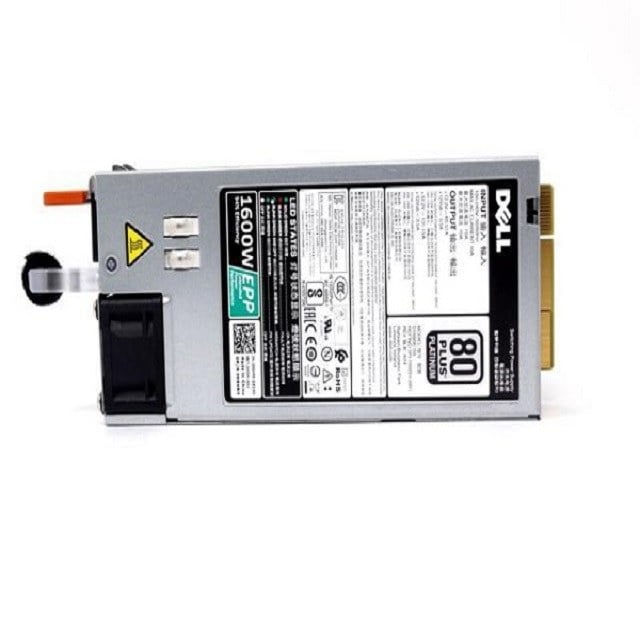
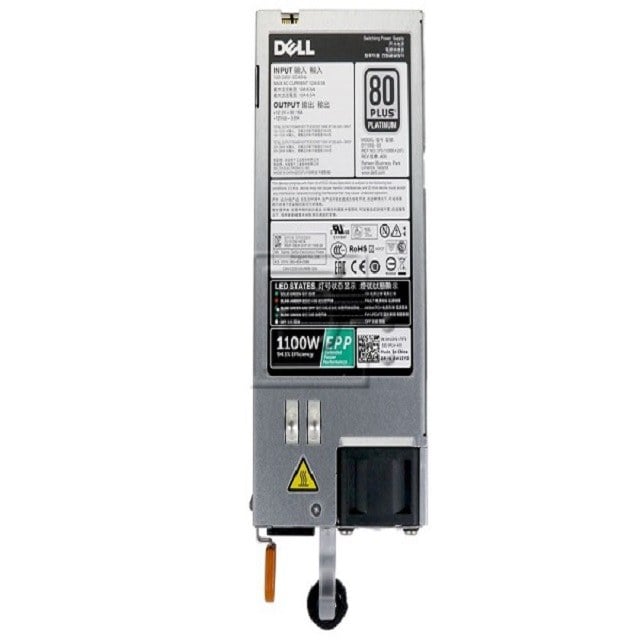
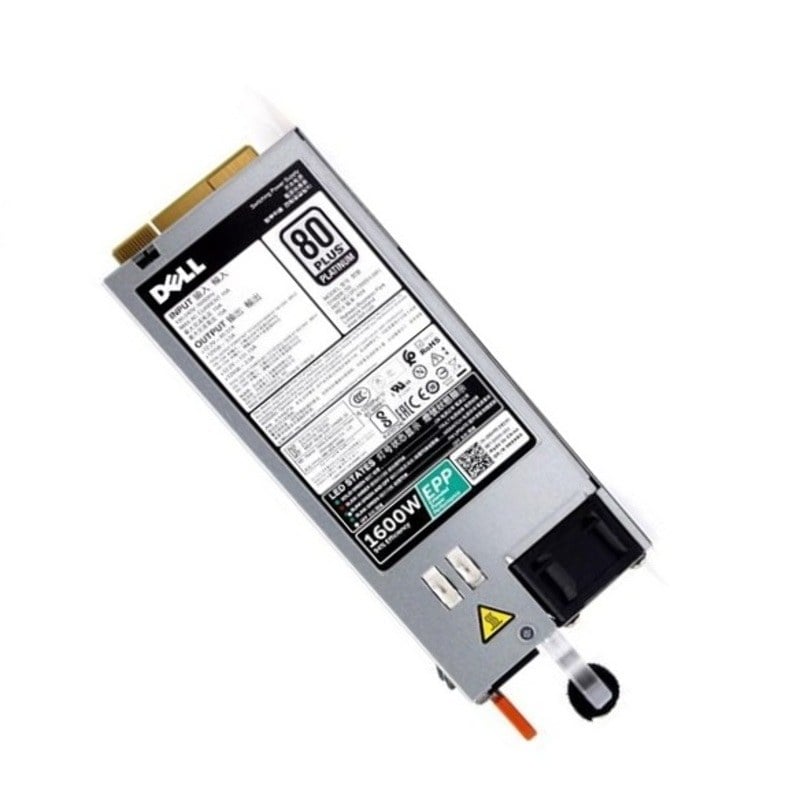
- Manufacturer: Dell System Inc
- MPN: 450-AEBL
- Type: Power Supply
- Sub-Type: Server Power Supply
- SKU: 450-AEBL
Specifications:
- Pluggable Yes
- Category Proliant
- Watt: 1100
Miscellaneous
- For Poweredge R530 R630 R730 R730XD T630
Power Description:
- Input Power Range:100-120V / 200-240V
- Line Frequency: 50-60Hz


