

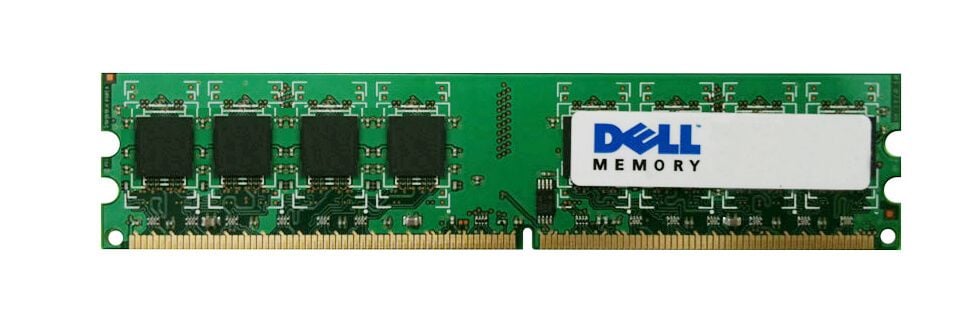

Description
Advantages of using a 288-pin Reg RAM
The 288-pin registered RAM has the following advantages
- Increased Stability: The registered design helps to improve the stability of the memory by regulating the flow of data between the RAM and the CPU.
- Enhanced Performance: The registered design allows for increased memory capacity and improved performance compared to unregistered memory.
- Better Signal Integrity: The 288-pin form factor provides a high-speed interface for smooth data transfer, improving signal integrity and reducing the risk of data corruption.
- Enhanced Reliability: The registered design enhances the reliability of the memory by providing improved error correction and data protection.
- Easy to Upgrade: The UDIMM form factor makes it easy to upgrade the memory on compatible systems.
- Better Compatibility: The 288-pin form factor is widely used and compatible with a range of server and workstation motherboards.
- Improved System Stability: The registered design helps to improve system stability by reducing the risk of memory errors and system crashes.
These advantages make the 288-pin registered RAM an ideal choice for enterprise-level systems that require high performance, reliability, and stability. The enhanced signal integrity and improved error correction provided by the registered design help to ensure the longevity and performance of the memory over time.
Performance improvement with 32GB of Memory
Having 32GB of memory can provide a significant performance improvement compared to systems with less memory. Here are some of the benefits:
- Faster multitasking: Increased memory capacity allows for smoother multitasking and improved performance when running multiple applications at once.
- Improved application performance: Applications can run faster and more efficiently with more memory, reducing lag time and improving overall performance.
- Better system responsiveness: Increased memory can help to reduce the frequency of hard disk accesses, improving system responsiveness and reducing load times.
- Enhanced virtualization performance: The larger memory capacity can help to improve virtualization performance by providing more resources for virtual machines.
- Better gaming performance: Games can run more smoothly with increased memory, reducing lag time and improving overall gaming experience.
- Better video editing performance: Video editing applications can run more efficiently with more memory, reducing render times and improving overall performance.
- Improved server performance: Servers can handle more users and demanding applications with increased memory, improving overall system performance.
These performance improvements can help to increase productivity and reduce downtime. Having 32GB of memory can provide a significant improvement compared to systems with less memory, making it an ideal choice for demanding applications and multitasking.
Differences Between DDR4 and Previous Generations of RAM
DDR4 vs previous generations of RAM
- Speed: DDR4 is faster than DDR3 and DDR2.
- Capacity: DDR4 has higher maximum capacity compared to DDR3.
- Voltage: DDR4 operates at a lower voltage compared to DDR3.
- Power Consumption: DDR4 consumes less power compared to DDR3.
- Channel: DDR4 has two or more independent channels compared to DDR3’s single channel.
- Data Rate: DDR4 has a higher data transfer rate compared to DDR3.
- Pin Count: DDR4 has 288 pins compared to DDR3’s 240 pins.
- Clock Speed: DDR4 has a higher clock speed compared to DDR3.
General Information
- Manufacturer: Dell
- Manufacturer Part Number: A9810563
- Type: Memory (RAM)
- Sub-Type: PC4-21300
- Product Name: 32GB DDR4 SDRAM Memory Module
Technical Information
- Storage Capacity: 32GB
- Memory Technology: DDR4 SDRAM
- Number Of Modules: 1 X 32GB
- Bus Speed: 2666mhz DDR4-21300/PC4-21300
- Data Integrity Check: Ecc
- Signal Processing: Registered
- Cas Latency Timings: Cl19
- Rank Features: 2rx4


