


Description
DDR4 SDRAM Memory Technology
DDR4 SDRAM (Double Data Rate Fourth Generation Synchronous Dynamic Random-Access Memory) is a type of computer memory that is widely used in modern computer systems. It is the successor to DDR3 SDRAM and offers several improvements in terms of speed, efficiency, and capacity.
Some of the key features and benefits of DDR4 SDRAM memory technology include:
- Higher Memory Speeds: DDR4 memory can achieve higher clock speeds than DDR3, allowing for faster data transfer rates and improved system performance.
- Lower Power Consumption: DDR4 memory is designed to operate at lower voltages than DDR3, resulting in lower power consumption and reduced heat generation.
- Increased Memory Capacity: DDR4 memory modules can provide higher memory capacities than DDR3, allowing for larger memory configurations and improved performance in memory-intensive applications.
- Improved Error Correction: DDR4 memory includes advanced error correction capabilities that help to ensure data integrity and prevent data corruption.
- Enhanced Signal Integrity: DDR4 memory features improved signal integrity, which helps to reduce signal noise and improve system stability.
- Backward Compatibility: DDR4 memory is backward compatible with some DDR3 memory controllers, allowing for easy upgrades to newer systems.
PC4-19200 Memory Speed Specification
PC4-19200 is a memory speed specification for DDR4 SDRAM memory modules. It specifies a maximum memory speed of 2400 MHz, which represents the maximum amount of data that can be transferred between the memory module and the memory controller per second.
The PC4-19200 memory speed specification is calculated by taking the maximum memory clock rate (1200 MHz) and multiplying it by the memory bus width (64 bits) and the number of channels (2). This results in a maximum theoretical memory bandwidth of 19.2 GB/s (or 19,200 MB/s).
Memory modules that meet the PC4-19200 specification are commonly used in modern computer systems, including desktops, laptops, and servers. They offer improved system performance and faster data transfer rates than previous generations of memory.
It is important to note that the actual memory speed achieved in a system will depend on several factors, including the memory controller, motherboard, and processor. To ensure optimal performance, it is recommended to use memory modules that are compatible with the system and that meet the manufacturer’s specifications.
Dual Rank Memory Architecture
Dual Rank Memory Architecture is a type of memory organization used in DDR4 SDRAM memory modules that allows for improved memory performance and capacity.
In Dual Rank Memory Architecture, each memory module contains two separate ranks of memory chips. A rank is a group of memory chips that are accessed together as a single unit by the memory controller. By using two ranks per memory module, the memory controller can access twice the amount of data per clock cycle, resulting in improved memory performance.
Dual Rank Memory Architecture also allows for increased memory capacity by using higher density memory chips. With two ranks per module, the same amount of memory can be achieved using fewer memory chips, resulting in lower cost and higher density memory modules.
It is important to note that not all memory controllers support Dual Rank Memory Architecture, and some systems may require specific memory configurations or modules to achieve optimal performance. It is recommended to check the system’s memory compatibility and configuration guidelines before upgrading or replacing memory modules.
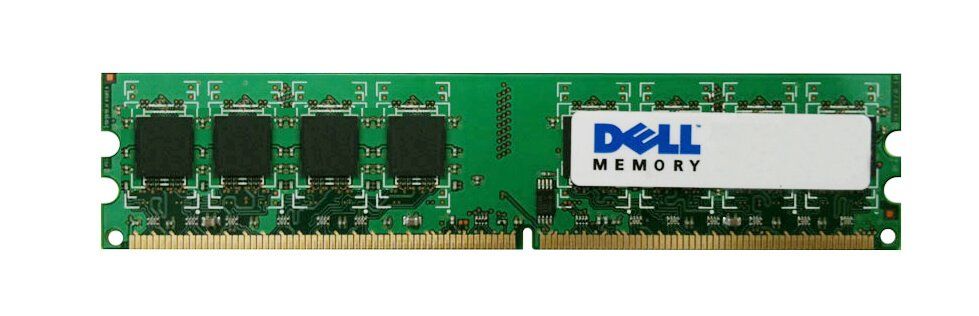
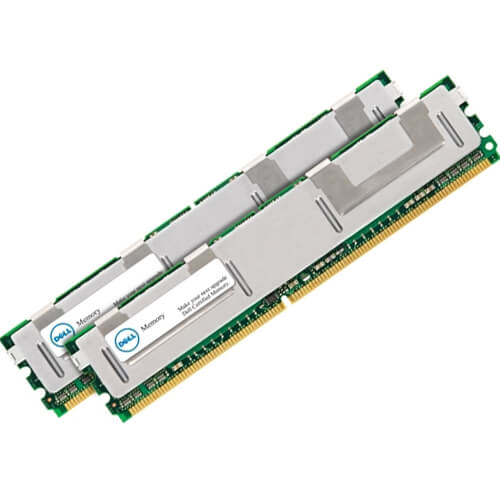
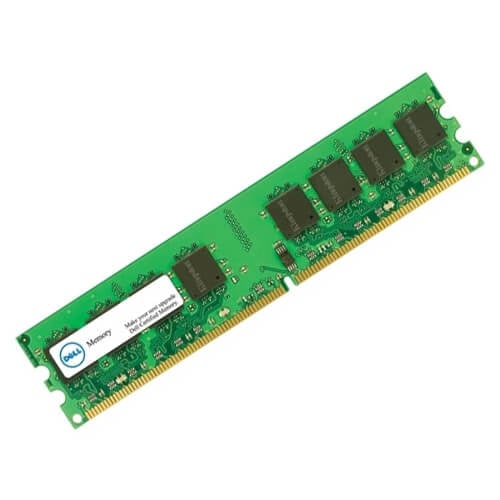
General Information MKYF9 Dell 8GB 1X8GB DDR4
- Manufacturer: Dell
- Manufacturer part number: MKYF9
- Type: Memory (RAM)
- Sub-Type: PC4-19200
- Product name: 8GB DDR4 SDRAM Memory Module
Technical Information
- Memory Size: 8GB
- Memory Technology: DDR4 SDRAM
- Number Of Modules: 1 X 8GB
- Memory Speed: 2400 MHZ
- Memory Standard: DDR4-2400/Pc4-19200
- Signal Processing: Unbuffered
- Error Checking: Ecc
- Cas Latency: Cl17
- Pin Count: 260-Pin
- Voltage: 1.2v
- Form Factor: Sodimm


