



Description
Product Overview
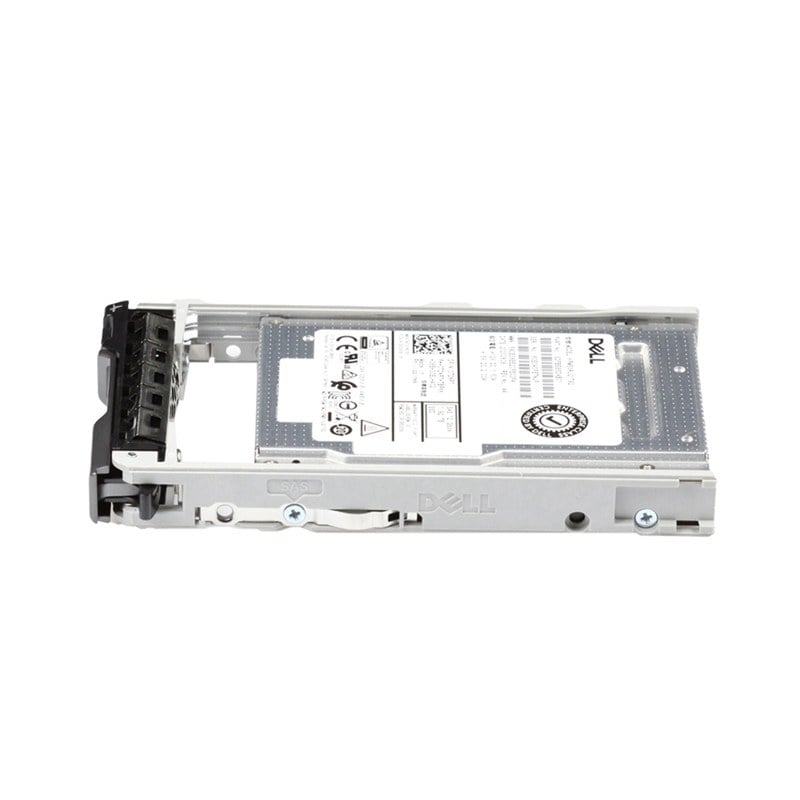
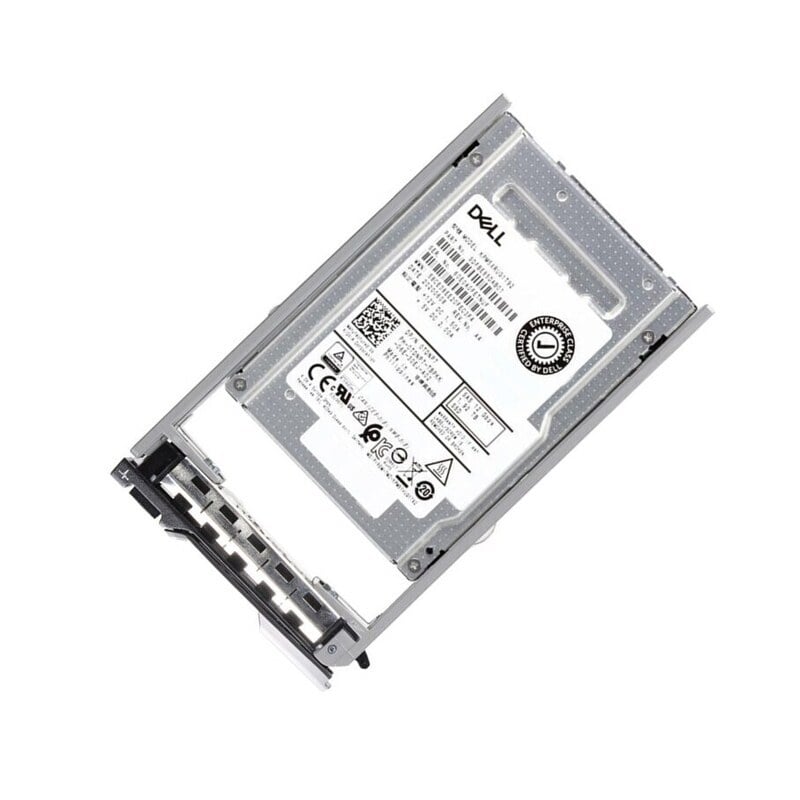
The Dell R6XYW 480GB SATA-6Gbps SSD Mixed-Use TLC Hot Swap may sound like a mouthful of technical jargon, but it represents a crucial component in the world of data storage and computing. In this comprehensive guide, we will break down the complex terminology into simple English, providing a clear understanding of what this device is, how it works, and why it matters in the world of data storage and computing.
Understanding the Terminology
Before we dive into the details, let’s dissect the name “Dell R6XYW 480GB SATA-6Gbps SSD Mixed-Use TLC Hot Swap” to understand its essential components.
- Dell: This denotes the manufacturer, Dell, a renowned company in the world of computer hardware and technology solutions.
- R6XYW: This is likely a product or model identifier unique to Dell, helping distinguish this particular storage device.
- 480GB: This figure represents the storage capacity of the device, which is 480 gigabytes. While it may not be the largest capacity available, it is sufficient for various data storage needs.
- SATA-6Gbps: SATA stands for Serial Advanced Technology Attachment, a common data transfer interface used in storage devices. The “6Gbps” signifies the data transfer rate, which is 6 gigabits per second. This speed ensures efficient data access and transfer.
- SSD: SSD stands for Solid State Drive, a type of storage device that employs flash memory to store data. SSDs are known for their speed, durability, and reliability compared to traditional hard disk drives (HDDs).
- Mixed-Use: “Mixed-Use” indicates that this SSD is designed to handle a mix of reading and writing data, making it versatile for various applications.
- TLC: TLC stands for Triple-Level Cell, a type of NAND flash memory technology used in SSDs. It can store multiple bits of data in each cell, increasing storage capacity and reducing costs.
- Hot Swap: “Hot Swap” capability allows for inserting or removing the SSD from a system while it’s operational, without requiring a system shutdown. This feature simplifies maintenance and upgrades.
Now that we’ve deconstructed the name, let’s delve into each of these components to gain a deeper understanding.
Dell – The Manufacturer
Dell is a prominent global manufacturer of computer hardware and technology solutions. They produce a wide range of products, including laptops, desktops, servers, and storage devices like the Dell R6XYW SSD. Dell is recognized for its commitment to quality and innovation, making its products a popular choice for businesses and individuals.
Storage Capacity – 480 Gigabytes
The storage capacity of 480 gigabytes is one of the most critical aspects of this SSD. To put this in context, a gigabyte is roughly equivalent to 1,000 megabytes. While it may not be the largest capacity available, 480 gigabytes is ample for various data storage needs. It can accommodate a substantial number of files, documents, images, and more.
SATA-6Gbps – Efficient Data Transfer
The term “SATA-6Gbps” refers to the data transfer interface and rate. SATA is a common standard for connecting storage devices to a computer’s motherboard. The “6Gbps” signifies the data transfer speed, which is 6 gigabits per second. This speed ensures efficient data access and transfer, making it suitable for a wide range of applications.
SATA interfaces are commonly used in both consumer and enterprise environments, offering compatibility and reliable performance. The 6Gbps speed is notably faster than older SATA standards, enhancing data transfer rates.
SSD (Solid State Drive) – Speed and Reliability
An SSD, or Solid State Drive, is a type of storage device that distinguishes itself from traditional Hard Disk Drives (HDDs). SSDs use flash memory to store data, while HDDs rely on spinning disks. SSDs are celebrated for their advantages:
- Speed: SSDs lack moving parts, allowing them to read and write data much faster than HDDs. This results in quicker boot times, faster application launches, and speedy data transfers.
- Reliability: Since there are no moving parts, SSDs are less prone to mechanical failures. This makes them more reliable and durable, which is crucial for critical data storage.
- Durability: SSDs can withstand shocks and vibrations better than HDDs since they lack delicate spinning disks. This makes them ideal for laptops and portable devices.
Mixed-Use – Versatility in Performance
The term “Mixed-Use” indicates the primary purpose of this SSD. In storage terminology, “mixed-use” SSDs are designed to provide a balanced performance approach, optimizing the drive for both reading and writing data. These SSDs are versatile and suitable for applications with varied data access patterns.
Common use cases for mixed-use SSDs include:
- Enterprise Applications: Mixed-use SSDs are often used in enterprise environments where workloads require both reading and writing data. This includes databases, virtualization, and email servers.
- Virtual Desktop Infrastructure (VDI): VDI environments benefit from mixed-use SSDs because they handle a mix of read and write operations, particularly in boot storms and updates.
- Content Creation: For tasks involving video editing, 3D rendering, and other content creation activities, a balance between reading and writing data is crucial.
The advantage of a mixed-use SSD is its adaptability to various applications, making it a reliable choice for businesses and individuals with diverse computing needs.
TLC (Triple-Level Cell) – Efficiency in Storage
TLC, or Triple-Level Cell, is a type of NAND flash memory technology used in SSDs. It can store multiple bits of data in each cell, typically three bits. While this increases storage capacity, it also tends to be more cost-effective compared to other types of flash memory like SLC (Single-Level Cell).
While TLC offers advantages in terms of cost-efficiency and capacity, it may have slightly lower endurance than SLC memory. However, modern TLC SSDs employ advanced technologies like wear-leveling algorithms to enhance their longevity and performance.
Hot Swap – Convenience and Maintenance
The “Hot Swap” capability allows for inserting or removing the SSD from a system while it’s operational, without requiring a system shutdown. This feature offers several advantages:
- Convenience: Hot Swap capability is especially useful in enterprise environments where system uptime is critical. You can replace or upgrade storage devices without disrupting operations.
- Maintenance: It simplifies maintenance tasks. IT administrators can perform drive swaps, expansions, or replacements without scheduling downtime.
- Scalability: It allows for easy scalability of storage. When more storage is needed, additional SSDs can be hot-swapped into the system, providing an instant storage boost.
Significance of the Dell R6XYW 480GB SSD
Now that we’ve broken down the components of the Dell R6XYW 480GB SATA-6Gbps SSD Mixed-Use TLC Hot Swap, let’s explore its significance in the world of data storage and computing:
- Balanced Performance: This SSD, with its mixed-use and TLC memory, offers a balance between reading and writing data. It is well-suited for applications where varied data access patterns are common, providing reliable and adaptable performance.
- Moderate Storage Capacity: With 480 gigabytes of storage space, this SSD is suitable for various data storage needs, including enterprise applications, content creation, and virtual desktop infrastructure. It offers ample space while maintaining a high-speed data transfer.
- Efficient Data Transfer: The SATA-6Gbps interface ensures efficient data transfer speeds, a vital feature for applications with diverse data access patterns. It ensures that data can be read from and written to the SSD swiftly, improving overall system performance.
- Advanced NAND Flash Technology: The use of TLC NAND flash memory provides cost-efficiency while still delivering competitive performance and capacity. This makes it an attractive option for businesses seeking a balance between performance and budget considerations.
- Hot Swap Convenience: The Hot Swap capability simplifies maintenance and upgrades, making it a practical choice for businesses and organizations that require high availability and scalability.
General Information about this Dell R6XYW
- Manufacturer: Dell
- Model Number or SKU# R6XYW
- Product Type: Solid State Drive
Technical Information for the 480GB SSD
- Storage Capacity: 480GB
- Form Factor: 2.5 inches (7mm)
- Interface Type: SATA-6Gbps
- Drive Transfer Rate: 600MBps (External)
- Lithography: 3D NAND TLC
Compatibility
- PowerEdge R640
- PowerEdge R740
- PowerEdge R940
- PowerEdge R740xd
- PowerEdge C6420
- PowerEdge R440
- PowerEdge R6415
- PowerEdge R7415
- PowerEdge R7425
- PowerEdge R840
- PowerEdge R940xa
- PowerEdge R340
- PowerEdge R6515
- PowerEdge R6525
- PowerEdge R7515
- PowerEdge C6525
- PowerEdge R7525
In summary, the Dell R6XYW 480GB SATA-6Gbps SSD Mixed-Use TLC Hot Swap is a significant component in the world of data storage and computing. It offers a balanced performance approach, making it well-suited for applications with varied data access patterns. With its 480GB storage capacity, efficient data transfer, advanced TLC NAND flash technology, and hot-swap capability, it provides a reliable and versatile option to meet your storage needs.
Understanding the components and significance of hardware like the Dell R6XYW SSD empowers businesses and individuals to make informed decisions when it comes to storage solutions. Whether you’re managing an enterprise environment, engaged in content creation, or seeking a storage solution that offers a balance between performance and adaptability, the Dell R6XYW SSD provides the features and convenience needed to meet your computing requirements.


