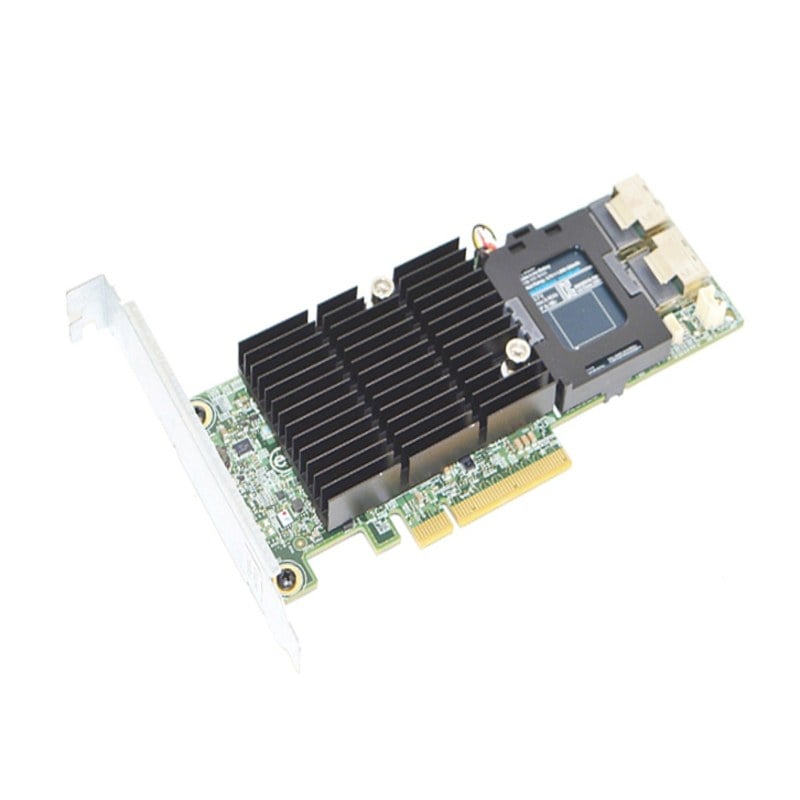

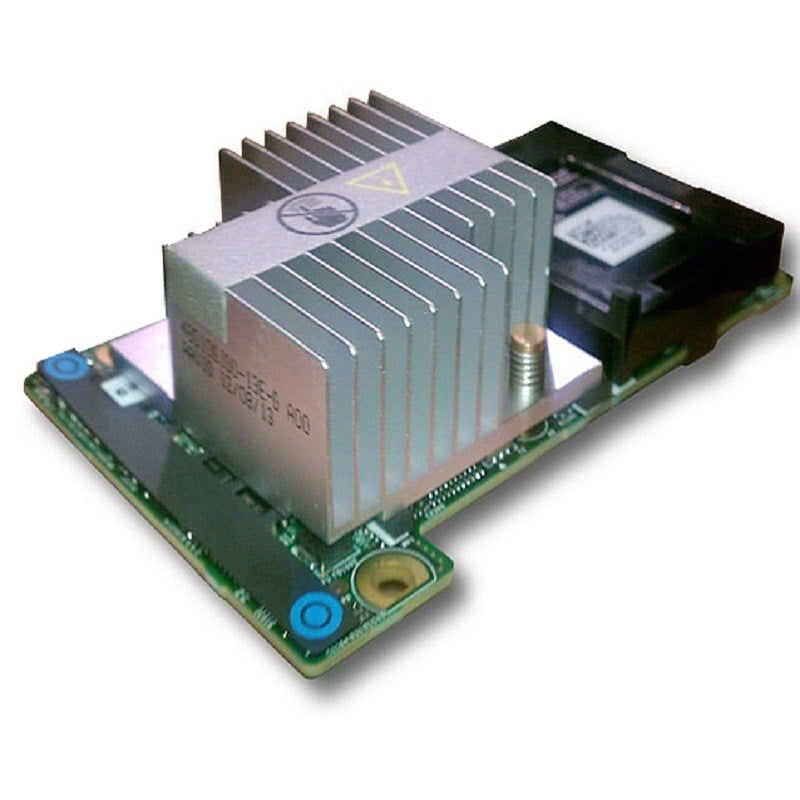

Description
Overview of the Dell TY8F9 8-Port PERC H710P RAID Card
In the realm of data storage and management, the Y8F9 PERC H710P 1GB NV Cache 8-Port Serial-Attached SCSI (SAS) 6GBPS Peripheral Component Interconnect Express (PCI-E) 2.0 x8 SAS-SATA Mini Mono RAID 0/1/5/6/10/50/60 Controller Card stands out as a powerful and versatile solution. This comprehensive guide aims to delve into the intricacies of this RAID controller card, breaking down its features, functions, and the significance of each component.
Understanding the Y8F9 PERC H710P SAS 6GBPS PCI Express Mini Mono CardWhat is a RAID Controller Card?
Before we dive into the specifics of the Y8F9 PERC H710P, it’s essential to grasp the concept of a RAID controller card. RAID, which stands for Redundant Array of Independent Disks, is a technology that allows multiple hard drives to work together to improve performance, reliability, or a combination of both.
A RAID controller card is a crucial component in this setup. It manages the data across the connected drives, ensuring efficient storage and retrieval. The Y8F9 PERC H710P, with its advanced features, takes RAID management to the next level.
Key Features of the Y8F9 PERC H710P1GB NV Cache
The Y8F9 PERC H710P is equipped with a 1GB Non-Volatile (NV) Cache. This high-capacity cache plays a pivotal role in enhancing the overall performance of the RAID system. By temporarily storing frequently accessed data, it reduces latency and accelerates read and write operations.
8-Port Serial-Attached SCSI (SAS)
Serial-attached SCSI is a high-performance data transfer technology that facilitates communication between the RAID controller and the connected hard drives. The Y8F9 PERC H710P features 8 SAS ports, allowing it to connect to multiple drives simultaneously. This scalability is vital for expanding storage capacity as business or personal data requirements grow.
6GBPS Data Transfer Rate
The Y8F9 PERC H710P boasts an impressive 6 gigabits per second (Gbps) data transfer rate. This high-speed connectivity ensures that data moves swiftly between the RAID controller and the connected drives. Faster data transfer rates contribute to improved system responsiveness and reduced access times.
Peripheral Component Interconnect Express (PCI-E) 2.0 x8
The PCI Express (PCI-E) interface is the backbone of modern high-speed data transfer between various hardware components in a computer system. The Y8F9 PERC H710P utilizes the PCI-E 2.0 x8 interface, providing ample bandwidth for seamless communication between the RAID controller and the motherboard. This ensures optimal performance even in data-intensive applications.
Mini Mono Form Factor
The Y8F9 PERC H710P comes in a Mini Mono form factor. This compact design is particularly advantageous for systems with limited physical space. The Mini Mono size doesn’t compromise on performance, making it suitable for a wide range of applications, from desktop setups to enterprise-level server configurations.
RAID Levels Supported by the Y8F9 PERC H710P
RAID levels define the way data is distributed and stored across multiple drives. The Y8F9 PERC H710P supports a variety of RAID levels, each catering to specific needs.
RAID 0
RAID 0, also known as striping, distributes data across multiple drives without redundancy. While this enhances performance by allowing simultaneous data access from multiple drives, it lacks fault tolerance.
RAID 1
RAID 1, or mirroring, duplicates data on two drives for redundancy. If one drive fails, the other contains an exact copy of the data, ensuring data integrity. However, RAID 1 doesn’t provide the same performance benefits as RAID 0.
RAID 5
RAID 5 combines striping and parity to provide both performance and fault tolerance. Data and parity information are distributed across multiple drives, allowing for the recovery of data in case of a drive failure.
RAID 6
Similar to RAID 5, RAID 6 includes double parity, offering a higher level of fault tolerance. This means that the array can withstand the failure of two drives simultaneously.
RAID 10
RAID 10, also known as RAID 1+0, combines mirroring and striping. It requires at least four drives and provides both redundancy and performance benefits.
RAID 50
RAID 50 is a nested RAID level that combines the striping of RAID 5 with the mirroring of RAID 0. It offers a balance between performance and fault tolerance.
RAID 60
Similar to RAID 50, RAID 60 combines the striping of RAID 6 with the mirroring of RAID 0. This provides a higher level of fault tolerance compared to RAID 50.
Advantages of the Y8F9 PERC H710PImproved Performance
The combination of a 1GB NV Cache, 8 SAS ports, and a 6Gbps data transfer rate ensures that the Y8F9 PERC H710P delivers exceptional performance. Whether you’re running data-intensive applications or managing large datasets, the RAID controller optimizes data access and retrieval.
Data Redundancy and Integrity
With support for various RAID levels, the Y8F9 PERC H710P enables users to implement redundancy and parity, safeguarding data against drive failures. This is crucial for businesses where data integrity is non-negotiable.
Scalability
The 8-port SAS connectivity and support for RAID levels like 50 and 60 make the Y8F9 PERC H710P highly scalable. As your storage requirements grow, this RAID controller allows for seamless expansion by adding more drives to the array.
Compact Design
The Mini Mono form factor of the Y8F9 PERC H710P makes it suitable for systems with limited physical space. This is particularly beneficial for small businesses or individuals who need a powerful RAID solution without compromising on space.
Use Cases and Applications
Understanding the Y8F9 PERC H710P’s RAID configurations opens the door to various use cases across different industries.
Enterprise Data Centers
In large-scale data centers, where data accessibility, reliability, and performance are paramount, the Y8F9 PERC H710P finds its place. The flexibility to choose from different RAID configurations allows administrators to tailor storage solutions to specific workloads.
Database Management
Database servers demand both speed and data integrity. RAID configurations such as RAID 10 or RAID 60 can be employed to strike a balance between performance and redundancy, ensuring that critical data is both available and secure.
Video Editing and Media Production
Industries involved in video editing and media production require high-speed storage solutions. RAID 0 can be leveraged to boost read and write speeds, while redundant configurations like RAID 5 or RAID 6 can safeguard against potential data loss.
General Information for the Dell TY8F9 8-Port SAS PERC H710P RAID Card
- Manufacturer: Dell
- Part Number or SKU# TY8F9
- Model: H710p
- Product Type: RAID Controller
- Form Factor: Plug-in Card
Technical Details of 8-Port SAS 6GBPS PERC H710P RAID Card
- External Interfaces: SAS (Serial Attached SCSI)
- Internal Interfaces: SAS, SATA I, SATA II, SATA III
- Density: 1GB
- Interface Speed: PCI Express 2.0
- Transfer Rate: 6GB/s
- Additional Information: DELL Poweredge RAID Controller H710p Mini Mono
Compatibility
- DELL Poweredge R320
- DELL Poweredge R420
- DELL Poweredge R520
- DELL Poweredge R620
- DELL Poweredge R720
- DELL Poweredge R720xd
In summary, the Y8F9 PERC H710P 1GB NV Cache 8-Port SAS 6Gbps PCI-E 2.0 x8 Mini Mono RAID Controller Card is a formidable solution for those seeking a robust and efficient RAID setup. Its advanced features, including a sizable NV cache, high-speed SAS connectivity, and support for various RAID levels, make it a versatile choice for both small-scale and enterprise-level storage configurations.
By understanding the key features, RAID levels, advantages, and installation processes outlined in this guide, users can make informed decisions when incorporating the Y8F9 PERC H710P into their systems. Whether you’re aiming to enhance performance, ensure data redundancy, or achieve scalability, this RAID controller card proves to be a valuable asset in the realm of data storage and management.