
.jpg)

Description
Next-Generation Connectivity
Next-Generation Connectivity refers to the latest advancements in communication technology that provide faster, more efficient and secure ways of transmitting data between devices and networks. This includes advanced networking technologies such as fiber optic cables, 5G wireless networks, and high-speed internet protocols like 10Gbps Ethernet.
Next-generation connectivity aims to meet the growing demand for high-speed data transfer, internet connectivity and cloud computing services. It provides businesses and consumers with increased bandwidth, lower latency, and more reliable communication networks, which allows for faster access to information, improved collaboration, and enhanced online experiences.
Next-generation connectivity also provides a foundation for the Internet of Things (IoT), allowing for the integration of various devices and systems, enabling them to communicate and exchange data in real-time. This leads to new and innovative applications in areas such as healthcare, transportation, and manufacturing, among others.
Overall, next-generation connectivity is revolutionizing the way we connect and communicate, enabling us to stay connected and be productive, no matter where we are.
Ensure High-Performance Networking
Ensuring high-performance networking refers to the act of making sure that your network functions efficiently and effectively, delivering fast and reliable connectivity. High-performance networking is essential for businesses and individuals to be able to access and transfer information quickly, allowing for seamless collaboration, improved productivity, and enhanced online experiences.
There are several steps you can take to ensure high-performance networking:
- Upgrade your network infrastructure: Upgrading your network infrastructure to include high-speed network switches, routers, and other equipment can significantly improve network performance.
- Use quality cabling: Using high-quality cabling, such as fiber optic or cat6, can significantly improve network performance and minimize the risk of network downtime.
- Implement Quality of Service (QoS): QoS allows you to prioritize different types of network traffic, ensuring that critical applications and data have the necessary bandwidth to function effectively.
- Use network security measures: Using firewalls, antivirus software, and other security measures can protect your network from malicious attacks and unauthorized access, ensuring that your network stays secure and running smoothly.
- Regular network maintenance: Regular network maintenance, including firmware upgrades and system backups, can help keep your network running smoothly and minimize the risk of network downtime.
By taking these steps, you can ensure that your network is functioning at its highest performance level, allowing you to achieve your goals and stay connected.
Take Your Network to the Next Level
Taking your network to the next level refers to making improvements to your existing network infrastructure to make it faster, more efficient, and more secure. This can involve upgrading hardware, implementing new technologies, and optimizing network settings to ensure that you get the most out of your network.
Here are some steps you can take to take your network to the next level:
- Upgrade to fiber optic cables: Fiber optic cables provide faster and more reliable connectivity compared to traditional copper cables. Upgrading your network to fiber optic cables can significantly improve network performance and reduce the risk of network downtime.
- Implement network segmentation: Network segmentation involves dividing your network into different sections to improve security and performance. This can include separating critical systems and data from less critical ones, reducing the risk of unauthorized access.
- Utilize cloud computing services: Cloud computing can help reduce the burden on your local network, improving performance and allowing for more flexible and scalable network infrastructure.
- Implement software-defined networking (SDN): SDN is a modern approach to networking that allows for more flexible and automated management of network resources. This can help improve network performance and simplify network management.
- Monitor and analyze network performance: Regular monitoring and analysis of network performance can help you identify areas for improvement and implement changes to improve network performance and reliability.
By taking these steps, you can take your network to the next level, ensuring that you have a fast and reliable network that can support your business and personal needs.
General Information:
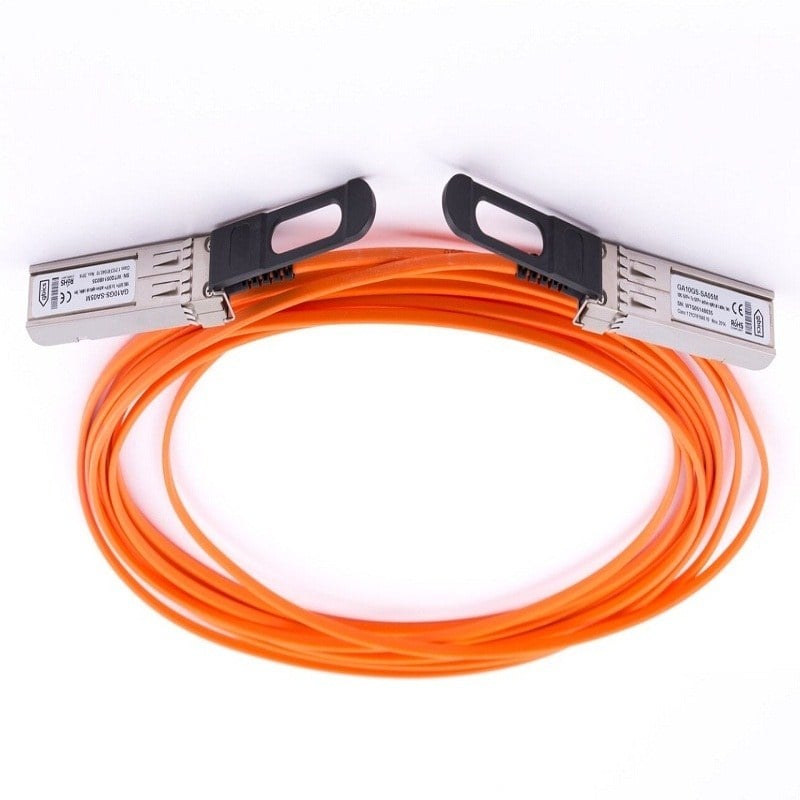
- Brand Name : Dell
- Part Number : XFDRT
- Sub-Type : 10M
- Type : Cables
.jpg)