

Description
Advanced Battery Management System
An Advanced Battery Management System is a technology used in some batteries to optimize and extend their life span while ensuring efficient and reliable performance. The system includes several features and mechanisms that work together to monitor and control the battery’s charging and discharging processes, prevent overcharging and over-discharging, and balance the cells’ voltage to prevent any cell from becoming undercharged or overcharged.
The Advanced Battery Management System also includes temperature sensors that monitor the battery’s temperature and adjust the charging and discharging processes accordingly. This helps to prevent overheating, which can cause damage to the battery cells and reduce their life span.
Another important feature of the Advanced Battery Management System is the Battery Health Monitoring technology, which monitors the battery’s health and provides information about its capacity, state of charge, and estimated remaining runtime. This information can be used to optimize the battery’s performance and extend its life span.
Safety Features and Protection Mechanisms
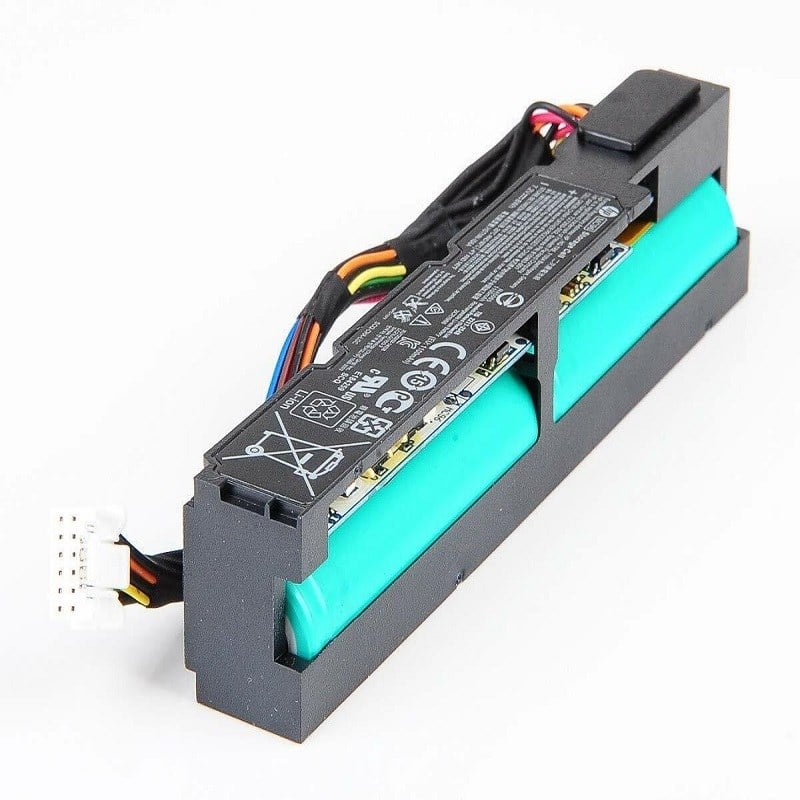
The 683542-001 HP battery comes with several safety features and protection mechanisms to ensure the safe operation of the battery and the device it powers. These features include:
- Overvoltage Protection: The battery has a built-in circuit that prevents overvoltage, which can damage the battery or the device it powers.
- Overcurrent Protection: The battery has a mechanism to limit the amount of current that passes through it, preventing overcurrent that can lead to overheating and damage.
- Overcharge Protection: The battery has a mechanism to prevent overcharging, which can damage the battery and reduce its lifespan.
- Short Circuit Protection: The battery has a mechanism that cuts off power in case of a short circuit, preventing any damage to the device or battery.
- Temperature Protection: The battery has a temperature sensor that prevents the battery from operating outside a safe temperature range, which can cause damage.
- Cell Balancing: The battery has a cell balancing mechanism that ensures each cell is charged and discharged evenly, preventing damage to the battery and extending its lifespan.
High-Capacity Lithium-Ion Battery Design
High-capacity lithium-ion battery design refers to the use of advanced technology and high-quality components to create batteries that are capable of storing large amounts of energy and delivering it efficiently and reliably. Lithium-ion batteries are popular for their high energy density, which allows them to provide longer runtimes than other types of batteries.
The design of a high-capacity lithium-ion battery involves several important factors. The type of cathode material used, such as lithium iron phosphate (LiFePO4), lithium cobalt oxide (LiCoO2), or lithium manganese oxide (LiMn2O4), can affect the battery’s energy density and cycle life. The anode material, typically made of graphite or silicon, also plays a role in the battery’s capacity and performance. Other factors such as the electrolyte and separator materials, cell design, and manufacturing process can also impact the battery’s performance.
To create a high-capacity lithium-ion battery, manufacturers often use a combination of these factors to optimize the battery’s energy density, cycle life, and safety. They may also incorporate features such as battery management systems (BMS) to monitor and control the battery’s charge and discharge cycles, as well as protection circuits to prevent overcharging, over-discharging, and short circuits.
Overall, a high-capacity lithium-ion battery design is critical for applications that require longer runtimes and reliable performance, such as in laptops, smartphones, electric vehicles, and energy storage systems.
Product Information
- Manufacturer: HP
- MPN: 683542-001
- Type: Battery
- Sub-Type: Others Battery