

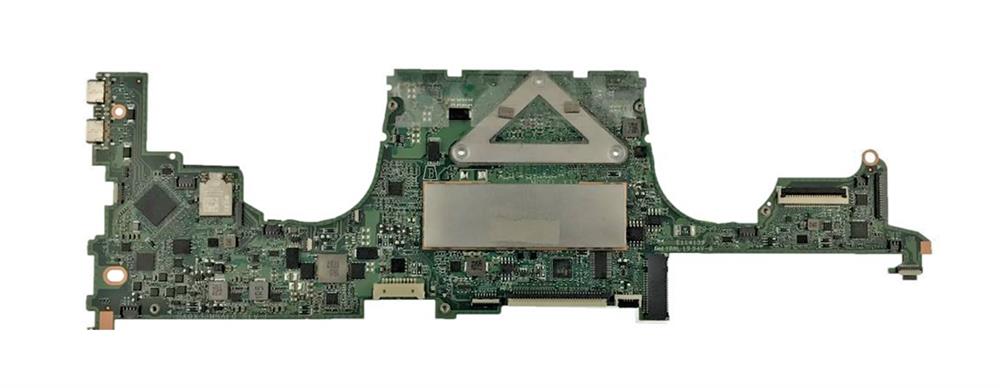


Description
Compatibility with Other Components
The HP 941884-601 System Board, also known as the ProLiant DL360 Gen9 System Board, is compatible with a variety of components to build a complete server system. Some examples of compatible components include:
- Processors: Intel Xeon E5-2600 v3 and v4 series processors
- Memory: DDR4 Registered (RDIMM) or Load Reduced (LRDIMM) memory, with a maximum capacity of 768GB
- Storage: SAS, SATA, and NVMe solid state drives or hard drives, with support for RAID 0, 1, 5, and 10
- Networking: Onboard 1GbE and 10GbE NICs, with the option to add additional NICs through expansion slots
- Power Supplies: HP 750W, 1200W, or 1600W hot-plug power supplies
- Other options: Additional components such as controllers, adapters, and other peripherals can be added through the system board’s expansion slots.
Error Troubleshooting
Error troubleshooting for the HP 941884-601 System Board, also known as the ProLiant DL360 Gen9 System Board, can be a complex process, but there are a few common steps that can help identify and resolve issues. Here are some general troubleshooting tips:
- Check the system’s power supply: Make sure that the power supply is providing the correct voltage and amperage to the system board.
- Check the system’s cooling: Make sure that the system’s cooling fans are functioning properly and that there is adequate airflow to the system board.
- Check the system’s memory: Make sure that the system has the correct type and amount of memory installed and that it is properly seated in the memory slots.
- Check the system’s hard drives: Make sure that the system’s hard drives are properly connected and that the system is configured to boot from the correct drive.
- Check the system’s expansion cards: Make sure that any expansion cards are properly seated in the expansion slots and that they are compatible with the system board.
- Check the system’s BIOS and firmware: Make sure that the system’s BIOS and firmware are up-to-date and that they are compatible with the system board.
- Check the system logs: Review the system logs for any error messages or warnings that may provide additional information about the problem.
- Consult the HP Support website: Visit the HP Support website for additional troubleshooting information and support options.
If the above steps do not resolve the issue, it may be necessary to replace the system board or to seek assistance from a qualified technician.
Regulatory Compliance
Regulatory compliance is an important aspect of using the HP 941884-601 System Board, also known as the ProLiant DL360 Gen9 System Board, as it ensures that the system meets the legal and safety requirements of the country or region in which it is used.
- Safety Compliance: The system board is designed to meet the safety requirements of various countries and regions, such as the UL, CSA, and IEC safety standards.
- Electromagnetic Compatibility (EMC) Compliance: The system board is designed to meet the EMC requirements of various countries and regions, such as the FCC, CE, VCCI, and C-Tick EMC standards.
- Environmental Compliance: The system board is designed to meet the environmental requirements of various countries and regions, such as the RoHS, WEEE, and Energy Star environmental standards.
- Data Security Compliance: The system board is designed to meet data security requirements such as the TPM security chip, and secure boot features.
- Compliance with Industry Standards: The system board is designed to meet industry standards such as PCI-Express, SAS, SATA, and NVMe.
- Compliance with regulatory agencies: The system board is designed to meet the requirement of regulatory agencies such as the Federal Communications Commission (FCC) and the European Union (EU).
- Other compliance: The system board may also meet other compliance such as HIPAA, SOC2, and other specific compliance that may be required for the industry you are working in.
Environmental Requirements
Environmental requirements are important considerations when using the HP 941884-601 System Board, also known as the ProLiant DL360 Gen9 System Board. These requirements ensure that the system is designed and operates in an environmentally sustainable and responsible manner.
- Operating Temperature: The system board is designed to operate within a specific temperature range, typically between 10°C and 35°C.
- Storage Temperature: The system board should be stored in a temperature-controlled environment, typically between -40°C and 60°C.
- Humidity: The system board is designed to operate within a specific humidity range, typically between 20% and 80% relative humidity.
- Altitude: The system board is designed to operate within a specific altitude range, typically between 0 and 3000 meters.
- Cooling: The system board requires adequate cooling to prevent overheating and damage to the components.
- Power efficiency: The system board is designed to meet energy efficiency requirements such as Energy Star and 80 PLUS certifications.
- Noise level: The system board is designed to meet noise level requirements, typically less than 65 dBA.
- Recycling: The system board should be disposed of or recycled in accordance with the local regulations and guidelines.
- Material safety: The system board is built with materials that comply with material safety regulations.
- Other requirement: The system board may have other environmental requirement such as vibration resistance, shock resistance, and other specific requirements that may be required for the industry you are working in.
It is important to ensure that the HP 941884-601 System Board is used in accordance with the relevant environmental requirements and guidelines, as failure to do so may result in damage to the system and the environment.
Specifications
- Manufacturer: HP
- MPN: 941884-601
- Type: Motherboard
- SKU: 941884-601
Performance
- Product Type Laptop Motherboard
- Supported CPU(s) Intel Core i7 Processor
- Clock Speed (Maximum) 1.8 GHz
- Supported CPU Technologies 64-bit
- AES New Instructions
- Enhanced Intel Speedstep Technology
- Hyper-Threading Technology
- Idle States
- Intel Virtualization Technology
- Thermal Monitoring Technologies

