

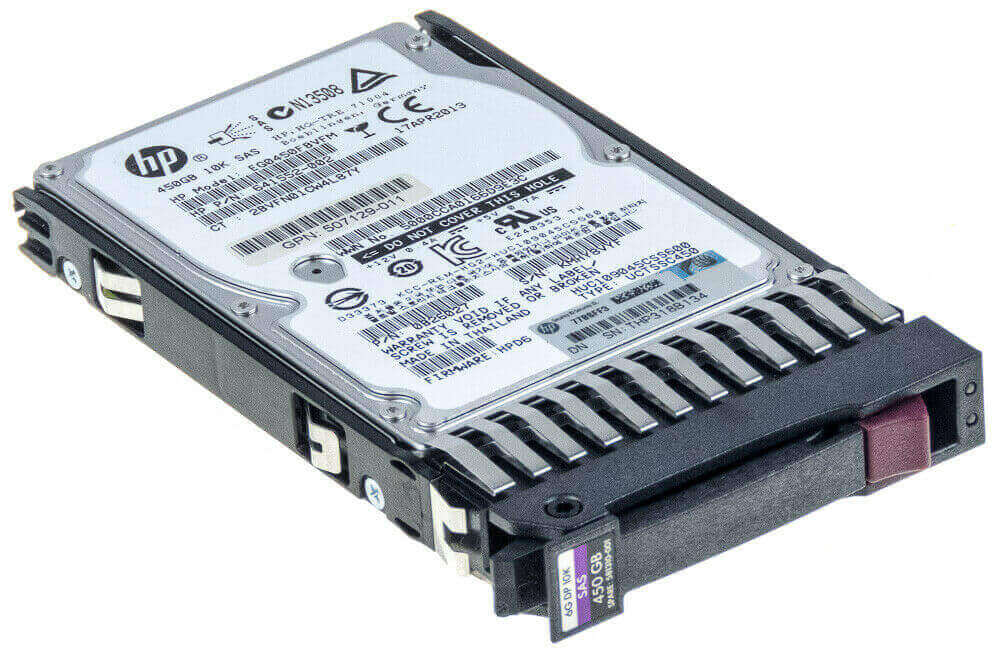

Description
Future Developments and Trends in Hard Drive Technology
Hard drive technology has advanced significantly over the past few decades, and there are several future developments and trends that are likely to shape the technology in the years to come. Here are a few of the most important ones:
- Increased Storage Capacity: One of the most significant trends in hard drive technology is the continued increase in storage capacity. Hard drives are already available with terabytes of storage, but this is expected to increase further in the coming years, with some predicting that petabyte-scale hard drives will become a reality.
- Improved Data Transfer Rates: Another trend in hard drive technology is the improvement of data transfer rates. This will enable faster data access and transfer, which is particularly important in today’s data-driven world.
- Advanced Data Security: As data security becomes an increasingly important concern for individuals and businesses alike, hard drive technology is likely to evolve to provide more advanced security features. For example, we can expect to see more encryption options and other security measures built into hard drives.
- More Efficient Power Consumption: With energy efficiency and sustainability becoming a top priority, hard drive technology is expected to become more power-efficient. This will not only reduce energy consumption but also improve the lifespan of hard drives.
- Increased Use of SSDs: Solid-state drives (SSDs) have become increasingly popular in recent years due to their faster performance and lower power consumption compared to traditional hard drives. This trend is expected to continue, with SSDs becoming the preferred choice for many applications.
- Integration with Cloud Storage: Another trend in hard drive technology is the integration of hard drives with cloud storage. This will enable users to store their data remotely and access it from anywhere, while still benefiting from the high storage capacity and reliability of hard drives.
End-of-Life and Disposal
End-of-life and disposal of hard drives is an important consideration when it comes to managing data and electronic waste responsibly. Here are some key points to keep in mind:
- Data Security: Before disposing of a hard drive, it is important to securely erase all data stored on it. This can be done using specialized software or by physically destroying the hard drive. Failure to properly erase data can result in sensitive information being exposed.
- Environmental Impact: Hard drives contain hazardous materials that can harm the environment if not disposed of properly. These materials include heavy metals like lead, cadmium, and mercury. It is important to recycle or dispose of hard drives in a way that minimizes the impact on the environment.
- Recycling: Recycling is the preferred method of disposing of hard drives as it allows for the materials to be reused. There are many specialized companies that offer hard drive recycling services. It is important to choose a reputable and certified recycling service to ensure that the hard drives are disposed of safely and responsibly.
- Donating or Selling: If the hard drive is still in working condition, it may be possible to donate or sell it to someone who can use it. Before doing so, ensure that all data has been securely erased.
- Government Regulations: Many countries have regulations that govern the disposal of electronic waste, including hard drives. It is important to research the regulations in your area to ensure that you are disposing of hard drives in compliance with the law.
Conclusion and Final Thoughts
In conclusion, hard drives are a fundamental technology in the world of computing and data storage. They have come a long way since their inception, with advancements in storage capacity, data transfer rates, power consumption, and security features. Looking ahead, we can expect further developments in these areas, as well as increased integration with cloud storage and the continued growth of solid-state drives.
However, with the benefits of hard drives come responsibilities, particularly when it comes to end-of-life and disposal. Proper data security and environmentally responsible disposal are critical considerations in ensuring that hard drives continue to serve us well without causing harm to ourselves or the planet.
Specification
- Part Number : EG0450FCSPK
- Sub-Type : 450GB 10K RPM SAS 6GBPS
- Type : Hard Drive (HDD)
- Brand Name : HP
Performance
- Drive Interface : SAS
- Storage Capacity : 450GB
- Rotational Speed : 10K RPM
- Maximum External Data Transfer Rate : 768 Mbps (6 Gbps)
- Drive Interface Standard : 6GB/S
- Size : 2.5″
- Drive Type : Internal


