
Description
Product Overview of the HPE JL260A 48 Ports Managed Switch
In the world of networking, the HPE JL260A 2930F Managed Switch has emerged as a key player, offering advanced features and capabilities to meet the demands of modern connectivity. This comprehensive guide aims to provide an in-depth understanding of the HPE JL260A, focusing on its specifications, functionality, and the benefits it brings to network infrastructure.
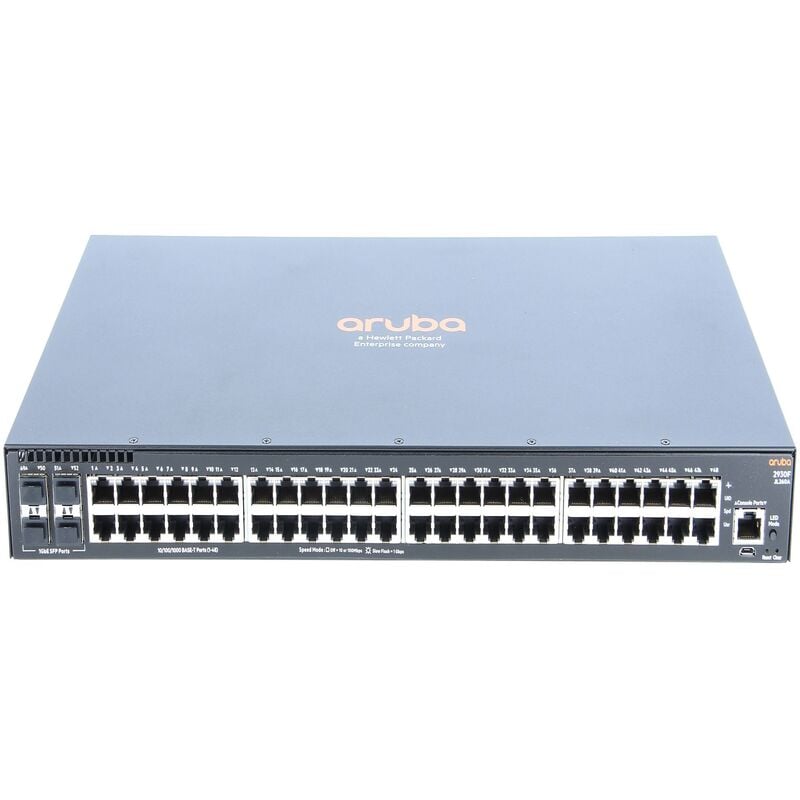
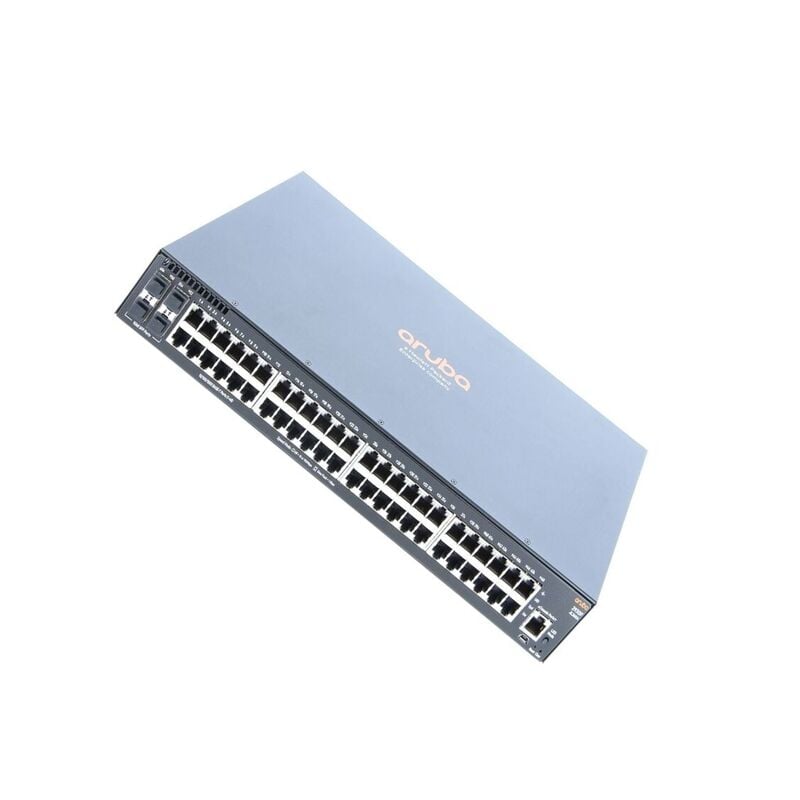
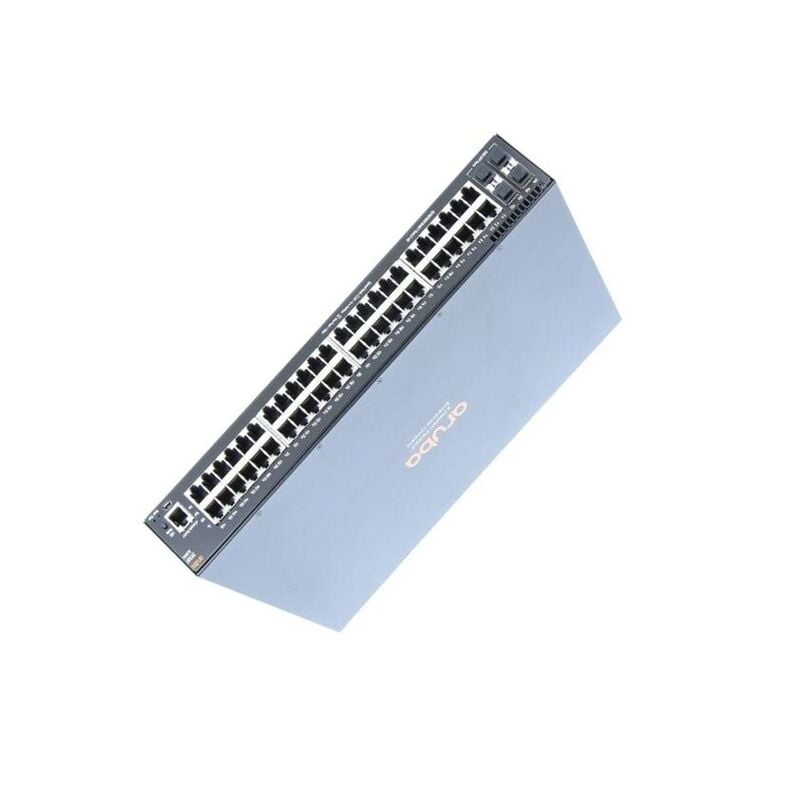
The HPE JL260A is a Managed Switch designed to facilitate efficient data transfer within a network. It boasts 48 ports, each capable of delivering Gigabit speeds, ensuring rapid and reliable communication between connected devices. Additionally, it features 4 SFP uplink ports, enhancing flexibility and scalability in network design.
Understanding the BasicsHPE JL260A 2930F Managed Switch Overview
The HPE JL260A 2930F is a managed switch, which means it offers a higher level of control and customization compared to unmanaged switches. This switch, designed by Hewlett Packard Enterprise (HPE), is part of the 2930F series and boasts 48 ports operating at 1GBPS. This high port density makes it suitable for medium to large-sized networks where numerous devices need to be connected.
Layer 3 Functionality
One standout feature of the JL260A is its Layer 3 capabilities. In networking, devices operate at different layers of the OSI (Open Systems Interconnection) model. Layer 3, also known as the network layer, is responsible for routing and forwarding data packets between different networks. The inclusion of Layer 3 functionality in this switch means it can make intelligent routing decisions, enhancing the efficiency of data transmission within and between networks.
Small Form-Factor Pluggable Uplink Ports
To cater to diverse networking requirements, the JL260A comes equipped with 4 SFP uplink ports. SFP is a compact, hot-swappable optical module widely used for both telecommunication and data communication applications. These uplink ports support data rates of 1GBPS, offering high-speed connectivity for linking the switch to other networking devices or even to different parts of the same network.
Rack-Mountable 1U Design
The physical design of the JL260A is both practical and space-efficient. It is rack-mountable, which means it can be installed in standard server racks, common in data centers and server rooms. The 1U form factor denotes that it occupies a single rack unit of vertical space, ensuring optimal use of rack space and easy integration into existing network setups.
Key Features of the HPE 48 Ports Managed Switch
The switch’s 48 Gigabit Ethernet ports enable high-speed data transfer, making it suitable for environments with heavy network traffic or bandwidth-intensive applications.
High Port Density for Scalability
The 48 ports operating at 1GBPS each make the JL260A an excellent choice for networks that demand high scalability. Whether it’s connecting numerous computers, printers, or other devices within an organization, this switch provides the necessary capacity to accommodate growing network requirements.
Layer 3 Intelligence for Efficient Routing
The Layer 3 capabilities of the JL260A contribute to efficient data routing. By understanding the network at a deeper level, the switch can make informed decisions about how to forward data packets. This not only improves network performance but also allows for the implementation of advanced networking features such as VLANs (Virtual Local Area Networks) and inter-VLAN routing.
Versatile Connectivity with SFP Uplink Ports
The inclusion of 4 SFP uplink ports adds a layer of versatility to the JL260A. These ports allow for the connection of other networking devices, such as switches, routers, or even direct connections to servers, using fiber optic cables. This is particularly useful when longer cable runs or immunity to electromagnetic interference are essential considerations in the network design.
Rack-Mountable Design for Space Efficiency
The 1U rack-mountable design of the JL260A is a space-saving feature that aligns with the constraints of modern data center environments. As organizations continue to expand their IT infrastructure, efficient use of rack space becomes crucial. The compact design of this switch ensures that it can be seamlessly integrated into standard racks, optimizing space utilization.
Layer 3 Capabilities
The Layer 3 functionality of the HPE JL260A goes beyond traditional Layer 2 switching. It introduces routing capabilities, allowing for more intelligent and efficient data handling within the network.
Technical Specifications of the HPE JL260A Managed SwitchPorts
- 48 Gigabit Ethernet Ports: These ports facilitate high-speed data transfer, making them ideal for connecting computers, servers, and other networking devices.
- 4 SFP Uplink Ports: The SFP uplink ports provide flexibility in network design and can be used for connecting to other switches or network devices over longer distances.
Speed
- 1 Gigabit Per Second (Gbps) per Port: All 48 Ethernet ports support Gigabit speeds, ensuring fast and efficient data transmission within the local network.
Layer 3 Routing
- Advanced Layer 3 Features: The switch supports Layer 3 routing, enabling it to make intelligent decisions based on IP addresses. This functionality enhances the overall efficiency and performance of the network.
Form Factor
- Rack-Mountable 1U Design: The 1U form factor allows for easy integration into standard server racks, saving valuable space in data center environments.
Practical Applications of the Switch
Enterprise Networking
In large enterprises with extensive networking needs, the JL260A serves as a backbone switch. Its high port density allows for the connection of numerous devices, and the Layer 3 capabilities enable efficient data routing across different departments or floors. The SFP uplink ports facilitate connections to other switches or networking equipment, contributing to a well-connected and reliable enterprise network.
Data Centers
Data centers, where the concentration of servers and networking equipment is exceptionally high, benefit from the JL260A’s rack-mountable design. The switch can be easily integrated into the server racks, providing the necessary connectivity for the servers within the data center. The Layer 3 capabilities are valuable in managing the traffic between different servers and ensuring optimal data flow.
Educational Institutions
In educational institutions, the JL260A can be a valuable asset for building a robust and scalable network infrastructure. With its high port density, it can accommodate the connectivity needs of classrooms, laboratories, and administrative offices. The Layer 3 functionality enables the segmentation of network traffic, enhancing security and performance. The switch’s compact design also makes it suitable for deployment in limited space environments often found in educational settings.
Small to Medium-sized Businesses (SMBs)
For SMBs with growing networking requirements, the JL260A strikes a balance between performance and affordability. The 48 ports provide ample connectivity for various devices within a small to medium-sized office, while the Layer 3 capabilities future-proof the network for expansion. The rack-mountable design is practical for businesses with limited space, allowing them to build a professional and organized network infrastructure.
General Information about the HPE 48 Ports JL260A Switch
- Manufacturer: HPE
- Model Number or SKU# JL260A
- Product Type: Managed Switch
Technical Information of the HPE Switch
- Enclosure Type: Rack-Mountable 1U
- Ports: 48 X 10/100/1000 + 4 X Gigabit Sfp (Uplink)
Performance
- Throughput: 77.4 Mpps
- Switching Capacity: 104 Gbps
- Latency (1 Gbps): 3.8 µs
- Capacity: Jumbo Frame Size: 9220
- Ipv4 Routing Table Entries: 10000
- Ipv6 Routing Table Entries: 5000
- Mac Address Table Size: 32k Entries
Networking
- Routing Protocol : Ospf, Rip, Rip-1, Rip-2, Bgp, Igmpv2, Igmp, Ospfv2, Static Ip Routing, Igmpv3, Ospfv3, Static Ipv4 Routing, Static Ipv6 Routing, Ripng, Mld, Cidr
- Remote Management Protocol: SNMP 1, SNMP 2, Rmon 1, SNMP, Telnet, SNMP 3, SNMP 2c, Ssh, Ssh-2, Cli, Xrmon
- Encryption Algorithm: Md5, Ssl
- Authentication Method: Radius, Pap, Chap, Tacacs, Tacacs+
Features
- Flow Control, Full Duplex Capability, Dhcp Support, Bootp Support, Arp Support, VLAN Support, Igmp Snooping, Syslog Support, Diffserv Support, Ipv6 Support, Sntp Support, Sflow, Spanning Tree Protocol (Stp) Support, Multiple Spanning Tree Protocol (Mstp) Support, Access Control List (Acl) Support, Quality Of Service (QoS), Jumbo Frames Support, DHCP Server, Stp Root Guard, Uni-Directional Link Detection (Udld), Lldp Support, Link Aggregation Control Protocol (Lacp), Management Information Base (Mib), Mac Address Lockout, Dynamic Arp Protection, Dhcp Protection, Dynamic Vlan Support (Gvrp), Multiple VLAN Registration Protocol (Mvrp), Neighbor Discovery Protocol (NDP), Class Of Service (Cos), Type Of Service (TOS), OpenFlow Support, Cpu Protection, Internet Control Message Protocol (Icmp), Icmp Router Discovery Protocol (Irdp), Virtual Extensible Lan (Vxlan), Management Information Base (Mib) Ii
Processor/Memory
- Processor: 1 X Arm Cortex-A9: 1.016 Ghz
- Ram : 1 Gb – DDR3 SDRAM
- Flash Memory: 4 Gb
Interfaces
- 48 X 1000base-T – Rj-45
- 4 X Gigabit Lan – Sfp
- 1 X Serial (Console)
- Expansion Slots: 1 (Total) / 1 (Free) X Expansion Slot
- Installed Modules Qty (Max) : 0 (Installed) / 4 (Max)
In general, the HPE JL260A 2930F Managed Switch emerges as a powerful and versatile networking solution suitable for a wide range of applications. Its combination of high port density, Layer 3 functionality, SFP uplink ports, and rack-mountable design makes it well-suited for enterprise networks, data centers, educational institutions, and small to medium-sized businesses. The switch’s user-friendly configuration options, whether through a web-based GUI or command-line interface, provide flexibility for both novice and advanced users. As organizations continue to evolve, the HPE JL260A stands ready to support their networking needs, offering a reliable foundation for efficient data transmission and network management.