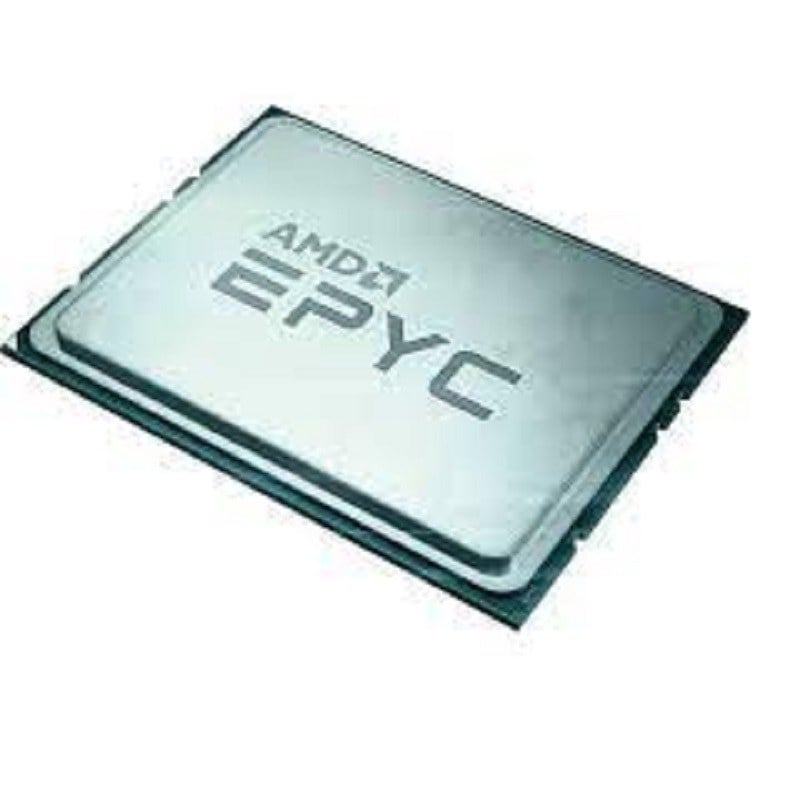


Description
Product overview for the HPE P38702-B21
In the ever-evolving landscape of technology, processors play a pivotal role in determining the performance and efficiency of computer systems. One such powerhouse in the realm of processors is the HPE P38702-B21. In this detailed review, we will delve into the intricacies of the HPE P38702-B21 3.5GHz Epyc 16-core processor, exploring its features, specifications, and the impact it can have on your computing experience.
Understanding the Basics
Before we embark on a journey to explore the depths of the HPE P38702-B21 processor, let’s familiarize ourselves with some fundamental terms and concepts.
- Processor Architecture: The HPE P38702-B21 is built on the Epyc architecture, which is developed by AMD (Advanced Micro Devices). This architecture is designed to deliver high-performance computing for a variety of applications, ranging from data centers to workstations.
- Clock Speed: The processor boasts an impressive clock speed of 3.5GHz, indicating the number of cycles it can execute in one second. A higher clock speed often correlates with faster processing and improved overall performance.
- Core Count: Featuring 16 cores, the HPE P38702-B21 is a multi-core processor. Each core can handle its tasks simultaneously, enhancing the processor’s ability to handle multitasking and parallel processing.
- Cache Size: The processor comes equipped with a substantial 256MB L3 cache. The cache serves as high-speed memory that stores frequently accessed data, reducing latency and improving overall processing speed.
- Socket Type: The processor is designed to fit into a Socket SP3, which is a server-grade socket commonly used for high-performance computing applications. The socket type determines the physical and electrical connection between the processor and the motherboard.
- Manufacturing Process: Utilizing a 7nm (nanometer) manufacturing process, the HPE P38702-B21 demonstrates technological advancement. A smaller manufacturing process often leads to improved power efficiency and performance.
- Power Consumption: With a power consumption of 240W, this processor is designed for applications that demand substantial computing power. It’s crucial to consider power requirements when integrating this processor into a system.
Key Features of the HPE P38702-B21 Processor
- Epyc Architecture Advantages: The Epyc architecture from AMD brings several advantages to the HPE P38702-B21 processor. These include improved performance, scalability, and energy efficiency. The architecture is optimized for modern workloads, making it suitable for a variety of computing tasks.
- Impressive Clock Speed: The 3.5GHz clock speed of the HPE P38702-B21 ensures swift data processing, making it suitable for applications that demand high-speed computation. Whether you’re running complex simulations or handling large datasets, this processor is up to the task.
- Multicore Processing Power: With 16 cores at its disposal, the HPE P38702-B21 excels in multitasking scenarios. Whether you’re running multiple virtual machines, rendering complex graphics, or performing data analysis, the processor’s multicore design enhances overall system responsiveness.
- Large L3 Cache for Quick Access: The substantial 256MB L3 cache of the HPE P38702-B21 contributes to faster data access times. Frequently used data is stored in the cache, reducing the need to fetch it from slower system memory. This results in improved efficiency and responsiveness.
- Socket SP3 Compatibility: The HPE P38702-B21 is designed to fit into Socket SP3, a server-grade socket. This compatibility ensures seamless integration into server environments, where reliability and performance are paramount.
- Advanced Manufacturing Process: The use of a 7nm manufacturing process signifies the cutting-edge technology employed in crafting the HPE P38702-B21. This process allows for more transistors to be packed into a smaller space, contributing to improved energy efficiency and thermal performance.
- High Power for Intensive Workloads: With a power consumption of 240W, the HPE P38702-B21 is tailored for applications that demand substantial computational power. This makes it well-suited for data center environments, scientific research, and other compute-intensive tasks.
Applications and Use Cases
Now that we have explored the features and specifications of the HPE P38702-B21 processor, let’s delve into the practical applications and use cases where this powerhouse can shine.
- Data Centers: The high core count and clock speed make the HPE P38702-B21 ideal for data center environments. It can efficiently handle virtualization, cloud computing, and other data-intensive tasks commonly found in modern data centers.
- Scientific Research and Simulations: Scientific simulations and research often involve complex calculations that demand significant computational power. The multicore design and impressive clock speed of this processor make it well-suited for such applications.
- Content Creation and Rendering: Professionals engaged in content creation, 3D rendering, and video editing require powerful processors to handle resource-intensive tasks. The HPE P38702-B21’s multicore architecture and high clock speed contribute to smooth and efficient content creation workflows.
- Enterprise-level Computing: In enterprise environments, where reliability and performance are paramount, the HPE P38702-B21 can contribute to seamless and efficient operations. Whether it’s database management, enterprise resource planning (ERP), or other business-critical applications, this processor can handle the workload.
- Server Farms and Clusters: For organizations operating server farms or clusters, the HPE P38702-B21 can be a valuable asset. Its compatibility with server-grade sockets and high processing power make it a reliable choice for distributed computing environments.
Performance Benchmarks and Real-world Testing
To truly gauge the capabilities of the HPE P38702-B21 processor, it’s essential to explore performance benchmarks and real-world testing results. While specific benchmark results may vary based on system configurations, the following general observations can be made:
- Synthetic Benchmarks: In synthetic benchmarks, the HPE P38702-B21 demonstrates robust performance, showcasing its ability to handle parallel processing and compute-intensive tasks. Benchmarks such as Cinebench and Geekbench highlight the processor’s prowess in rendering and general computing tasks.
- Multitasking and Parallel Processing: Real-world testing involving multitasking scenarios and parallel processing tasks reaffirms the processor’s capabilities. Whether running multiple applications simultaneously or handling parallelized workloads, the HPE P38702-B21 maintains stability and responsiveness.
- Power Efficiency: Despite its high power consumption, the HPE P38702-B21 demonstrates efficiency in managing power resources. The 7nm manufacturing process contributes to reduced power leakage, and dynamic power management features ensure optimal performance without excessive energy consumption.
- Server Workloads: When subjected to server workloads, such as database queries and transaction processing, the HPE P38702-B21 excels. Its compatibility with server environments and robust architecture make it a reliable choice for mission-critical tasks in data centers.
General Information about the HPE P38702-B21
- Manufacturer: HPE
- Model Number or SKU# P38702-B21
- Type: Processor
- Product Type: Epyc 16-core
Technical Specifications for the 3.5GHz Epyc 16-core Processor
- Processor Core: 16 cores
- Clock Speed: 3.5 GHz
- Max Boost Clock: Up to 4.0 GHz
Cache Memory Details
- L3 Cache: 256 MB
Other Specifications
- Lithography: 7nm
- Max Thermal Design Power (TDP): 240W
- Compatible Processor Socket: SP3
In general, the HPE P38702-B21 3.5GHz Epyc 16-core processor stands as a formidable force in the realm of high-performance computing. With its advanced architecture, impressive clock speed, and multicore design, it caters to a diverse range of applications, from data centers to content creation.
Whether you’re an IT professional seeking a powerful processor for your server infrastructure or a content creator in need of a reliable workhorse for demanding tasks, the HPE P38702-B21 offers a compelling solution. Its compatibility with Socket SP3, 7nm manufacturing process, and large L3 cache contribute to its overall appeal.
As technology continues to advance, processors like the HPE P38702-B21 pave the way for enhanced computing experiences. As you consider integrating this processor into your system, be sure to assess your specific requirements and workload demands to unlock the full potential of this powerhouse processor. In the ever-evolving landscape of technology, the HPE P38702-B21 stands as a testament to the relentless pursuit of performance and efficiency in the world of processors.