

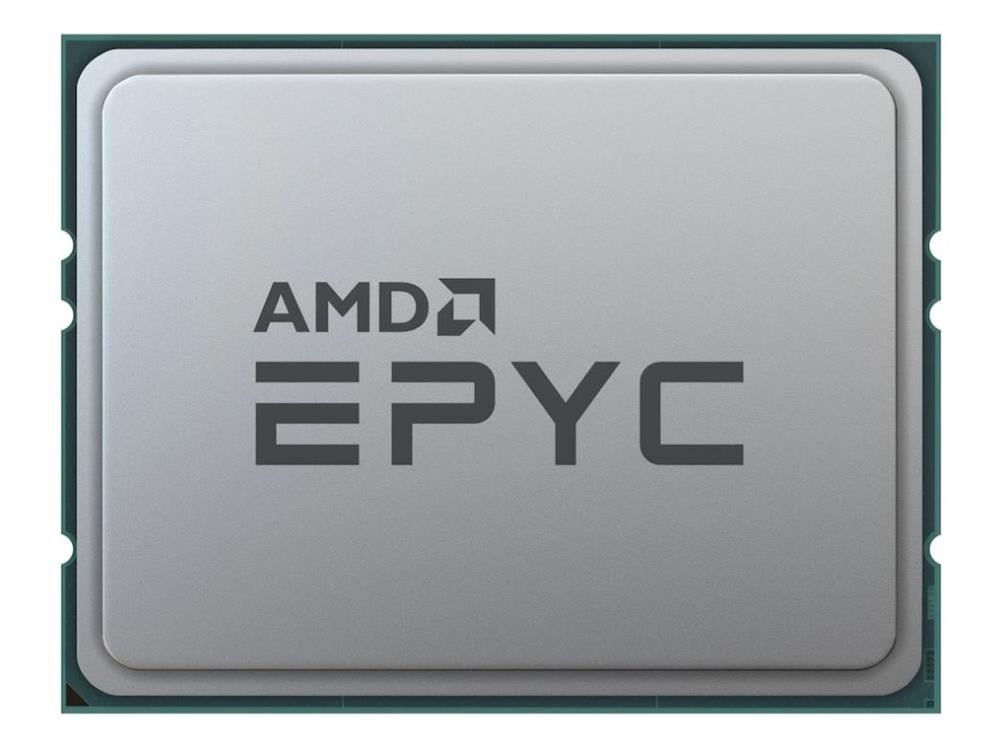
Description
Unveiling the Power of the P39054-001 AMD EPYC 7343 Processor
In the rapidly evolving landscape of computer hardware, processors play a pivotal role in determining the overall performance of a system. The P39054-001 AMD EPYC 7343 16-core is a cutting-edge processor designed to meet the demanding needs of modern computing. In this comprehensive guide, we will delve into the intricate details of the P39054-001, exploring its key features, specifications, and the technology that powers its impressive performance.
Overview of AMD EPYC 7343 SP3 Processor
The AMD EPYC 7343 is a high-performance processor equipped with 16 cores, each clocked at an impressive 3.2 Gigahertz. This processing powerhouse is built on a 7-nanometer architecture, showcasing AMD’s commitment to advancing semiconductor technology. With a substantial 128 Megabytes (MB) of Layer 3 Cache, the EPYC 7343 aims to redefine the boundaries of computational capabilities.
Core Architecture
At the heart of the EPYC 7343 lies a sophisticated core architecture that enables parallel processing and multitasking. The 16 cores operate seamlessly to handle a multitude of tasks simultaneously, making it an ideal choice for both professional and enterprise applications.
Clock Speed: 3.2 Gigahertz
The clock speed of a processor determines how quickly it can execute instructions. The EPYC 7343 boasts a clock speed of 3.2 Gigahertz, ensuring swift and efficient data processing. This high clock speed is especially beneficial for tasks that require real-time responsiveness and rapid computation.
Cache Management: Unveiling the Power of 128 Megabytes Layer 3 Cache
Cache memory plays a crucial role in reducing latency and enhancing overall processing speed. The EPYC 7343 is equipped with an impressive 128 Megabytes of Layer 3 Cache, making it a formidable contender in handling data-intensive workloads.
Significance of Layer 3 Cache
The Layer 3 Cache serves as a reservoir of high-speed memory that the processor can access quickly. With 128 Megabytes at its disposal, the EPYC 7343 can efficiently store and retrieve frequently used data, minimizing the need to access slower main memory. This results in a significant boost in performance, particularly for applications that rely on iterative processes or large datasets.
Cache Coherency and Efficiency
The EPYC 7343 employs advanced cache management techniques to ensure coherency and efficiency. Cache coherency is crucial in maintaining consistency across multiple cores, preventing data discrepancies that can arise in parallel processing. The sizable Layer 3 Cache contributes to the processor’s ability to efficiently manage data, enhancing overall system responsiveness.
7 Nanometer Technology
One of the standout features of the EPYC 7343 is its utilization of a 7-nanometer manufacturing process. This technological advancement represents a significant leap forward in semiconductor fabrication, enabling the creation of smaller and more power-efficient transistors.
Advantages of 7 Nanometer Technology
The transition to a 7-nanometer architecture brings several advantages to the EPYC 7343 processor. Smaller transistors result in a higher transistor density, allowing for more components to be packed into the same physical space. This not only enhances processing power but also contributes to energy efficiency and reduced heat generation.
Power Efficiency and Performance
The 7-nanometer technology contributes to the EPYC 7343’s impressive power efficiency. With a lower power consumption profile, the processor strikes a balance between high performance and energy conservation. This is particularly advantageous in data centers and enterprise environments where power efficiency is a critical consideration.
Socket SP3 Compatibility
The EPYC 7343 is designed to be compatible with Socket SP3, a key element in ensuring seamless integration with compatible motherboards. Socket SP3, also known as the AMD Socket for server processors, provides the necessary connectivity for the EPYC 7343 to communicate with other components of the system.
Scalability and Compatibility
Socket SP3’s design not only facilitates compatibility but also supports scalability. This allows system builders and IT professionals to harness the full potential of the EPYC 7343 by configuring systems with multiple processors, addressing the evolving needs of diverse workloads.
Thermal Design Power (TDP): 190 Watts
The Thermal Design Power (TDP) of a processor is a critical specification that indicates the maximum amount of heat the processor is expected to generate under normal operating conditions. The EPYC 7343 has a TDP of 190 Watts, signifying its robust performance capabilities.
Cooling Solutions and TDP Considerations
Given the 190-watt TDP, it is imperative to employ an efficient cooling solution to dissipate the heat generated during operation. System builders and users should select cooling solutions that are capable of effectively managing the thermal output of the EPYC 7343 to ensure optimal performance and longevity.
Performance Benchmarks and Real-world Applications
To truly understand the capabilities of the EPYC 7343, it is essential to examine its performance in real-world scenarios. Benchmark tests provide valuable insights into the processor’s prowess across various applications, shedding light on its strengths and potential use cases.
Multithreaded Performance
The EPYC 7343 excels in multithreaded performance, making it an ideal choice for applications that can leverage parallel processing. Tasks such as scientific simulations, video rendering, and data analysis benefit significantly from the processor’s ability to efficiently distribute workloads across its 16 cores.
Server and Data Center Applications
In server and data center environments, the EPYC 7343 demonstrates its prowess in handling diverse workloads. From virtualization to cloud computing, the processor’s combination of high clock speeds, multiple cores, and ample cache makes it a reliable workhorse for demanding server applications.
Enterprise Computing
Enterprises seeking a balance between performance and efficiency will find the EPYC 7343 well-suited for a range of computing tasks. Whether running complex databases, handling enterprise resource planning (ERP) systems, or supporting business intelligence applications, the processor’s capabilities make it an asset in enterprise computing environments.
General Information for the HPE P39054-001 EPYC 16-Core 3.2 GHz Processor
- Manufacturer: HPE
- Part Number or SKU# P39054-001
- Product Model: EPYC 7343
- Product Type: Server Processor
Technical Information of 128MB L3 Cache Server Processor
- Processor Core: 16-core
- Clock Speed: 3.2 GHz
- Max Boost Clock: Up To 3.9 GHz
Cache Memory Detail
- L3 Cache: 128MB
- Lithography: 7nm
- Max Thermal Design Power (TDP): 190W
- Compatible Processor Socket: SP3
Finally, the P39054-001 AMD EPYC 7343 stands as a testament to AMD’s commitment to innovation in the realm of processors. With its 16 cores, 3.2 Gigahertz clock speed, 128 Megabytes of Layer 3 Cache, 7-nanometer technology, Socket SP3 compatibility, and 190-Watt TDP, the EPYC 7343 emerges as a formidable solution for a variety of computing needs.
As technology continues to evolve, the EPYC 7343 sets a benchmark for performance, efficiency, and scalability. Whether powering data centers, enterprise servers, or high-performance workstations, this processor demonstrates its versatility across a spectrum of applications.


