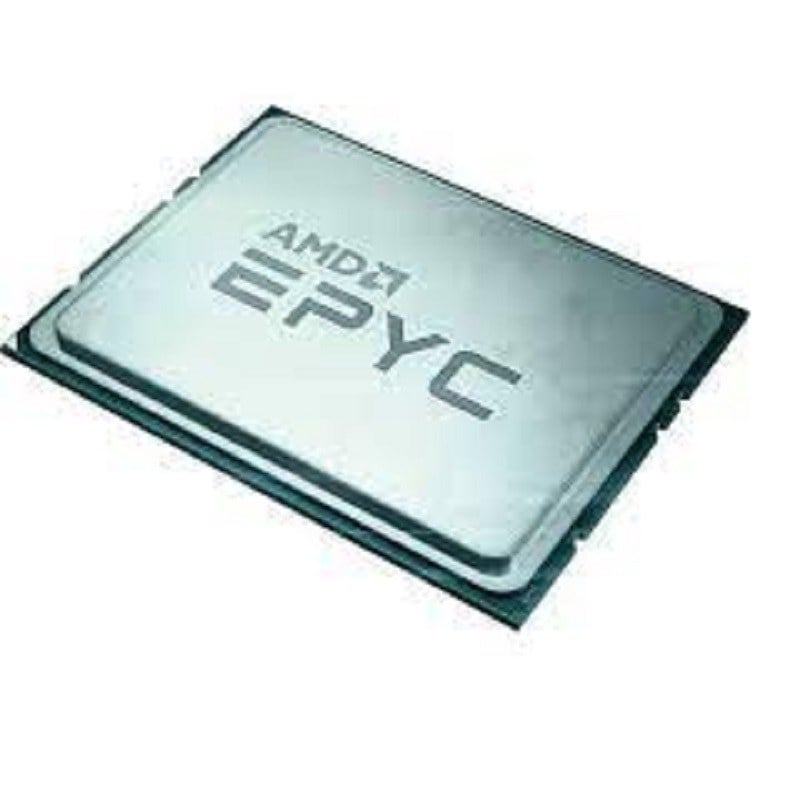


Description
More Information for the HPE P39064-001 16-Core Processor
In the ever-evolving landscape of information technology, processors play a pivotal role in the performance and efficiency of computing systems. The HPE P39064-001, specifically the Epyc 73F3 16-Core Processor, stands out as a powerful component designed to meet the demands of modern computing applications. In this detailed exploration, we will delve into the key features, specifications, and benefits of this processor, focusing on its architecture, performance, and power characteristics.
Key Features
- Processor Model Epyc 73F3: The HPE P39064-001 is powered by the Epyc 73F3 processor, which belongs to the Epyc family developed by AMD. Epyc processors are known for their high core counts and robust performance, making them suitable for a wide range of applications, from data centers to high-performance computing.
- Core Count 16 Cores: One standout feature of the P39064-001 is its impressive 16-core configuration. This means the processor is equipped with 16 independent processing units, allowing for parallel execution of tasks. This is particularly advantageous for multitasking and parallelizable workloads, enhancing overall system responsiveness.
- Clock Speed 3.5 GHz: Clock speed, measured in gigahertz (GHz), represents the frequency at which the processor can execute instructions. The P39064-001 operates at a clock speed of 3.5 GHz, indicating a high processing capability. This attribute is crucial for tasks that require quick and efficient computation, such as scientific simulations and complex data analysis.
- Power Consumption 240w: Efficiency in power consumption is a critical consideration in contemporary computing. The P39064-001 is rated at 240 watts, reflecting a balance between high-performance computing and power efficiency. This feature is particularly important in data center environments where energy efficiency is a key concern.
Architecture
- AMD Epyc Architecture: The Epyc 73F3 processor is built on the AMD Zen architecture, specifically the Zen 3 microarchitecture. Zen 3 brings improvements in terms of performance, power efficiency, and overall system responsiveness compared to its predecessors. The architecture incorporates a chipset design, where multiple smaller dies are combined to create a single, powerful processor.
- Infinity Fabric: One notable aspect of the Zen architecture is the inclusion of Infinity Fabric, AMD’s high-speed interconnect technology. This allows for efficient communication between different components of the processor, enhancing overall system performance. The modular nature of Infinity Fabric also contributes to the scalability of Epyc processors, making them suitable for various applications and workloads.
- Security Features: Security is a top priority in modern computing, and the Epyc 73F3 processor incorporates a range of security features. These include hardware-based encryption, secure boot, and AMD’s Secure Memory Encryption (SME) technology, which helps protect sensitive data in memory.
Performance
- Multithreading: With 16 cores and support for simultaneous multithreading (SMT), the P39064-001 can execute multiple threads concurrently. This enhances the processor’s ability to handle parallel workloads, resulting in improved multitasking performance.
- Application Performance: The high clock speed of 3.5 GHz, coupled with the advanced architecture of the Epyc 73F3, contributes to excellent application performance. Whether running demanding computational tasks or everyday applications, users can expect a smooth and responsive experience.
- Memory Support: The processor supports DDR4 memory with ECC (Error-Correcting Code) capability. ECC memory is crucial in mission-critical applications where data integrity is paramount. The combination of high-speed memory support and error correction enhances system stability and reliability.
- Virtualization Capabilities: Virtualization is a key technology in modern computing environments, and the Epyc 73F3 excels in this regard. With support for hardware virtualization, organizations can create and manage virtual machines efficiently, optimizing resource utilization in virtualized environments.
Use Cases
- Data Center Deployments: The P39064-001 Epyc 73F3 processor is well-suited for data center deployments where high-performance computing is essential. Its combination of core count, clock speed, and power efficiency makes it an ideal choice for handling diverse workloads, from virtualization to big data processing.
- Scientific Computing: In scientific computing, where complex simulations and calculations are common, the processor’s 16 cores and high clock speed provide the computational power needed to accelerate research and development. Researchers can benefit from reduced processing times, allowing for faster iterations and analyses.
- Enterprise Applications: Enterprise applications, such as databases and business intelligence software, demand robust processing capabilities. The P39064-001 meets these requirements, ensuring smooth operation and responsiveness for critical business processes.
General Information about this HPE P39064-001
- Manufacturer: HPE
- Part Number or SKU# P39064-001
- Product Type: Server Processor
- Product Model: Epyc 73F3
- Product Name: HPE Epyc 73F3 16-Core 3.5 GHz Processor
Processor Specifications
- Core Count: 16 cores
- Clock Speed: 3.5 GHz
- Max Boost Clock: Up to 4.0 GHz
Cache Memory Details
- L3 Cache: 256MB
- Lithography: 7nm
- Max Thermal Design Power (TDP): 240W
- Compatible Processor Socket: SP3
Finally, the HPE P39064-001 Epyc 73F3 16-Core Processor emerges as a formidable solution for demanding computing environments. Its combination of high core count, clock speed, and power efficiency, coupled with the advanced features of the AMD Epyc architecture, positions it as a versatile choice for a variety of applications. Whether deployed in data centers, scientific research facilities, or enterprise environments, this processor delivers the performance and reliability required in today’s dynamic computing landscape. As technology continues to advance, the P39064-001 stands as a testament to the ongoing innovation in processor design, empowering organizations to meet the challenges of tomorrow’s computing demands.