



Description
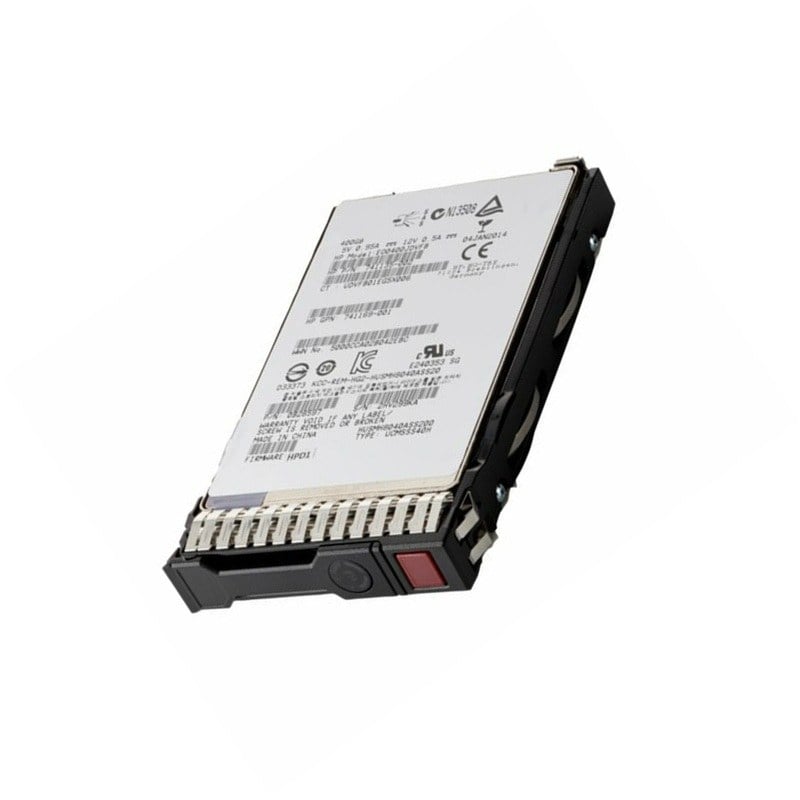
Product overview to HPE P49291-B21 1.92TB SAS SSD
In the fast-paced world of technology, where data storage and retrieval speed are paramount, the HPE P49291-B21 1.92TB SAS SSD is a standout solution. Designed to meet the demanding storage needs of modern data centers and server environments, this SSD offers high capacity, exceptional performance, and robust features. In this comprehensive guide, we’ll delve into every aspect of this storage solution, providing detailed insights in simple English.
Manufacturer: HPE (Hewlett Packard Enterprise)
Before we dive into the technical details, it’s crucial to note that the HPE P49291-B21 is manufactured by Hewlett Packard Enterprise (HPE). HPE is a renowned name in the IT industry, known for delivering high-quality hardware and solutions. With HPE, you can trust that you’re getting a reliable and cutting-edge storage solution.
Impressive Storage Capacity: 1.92 Terabytes (TB)
The most prominent feature of the HPE P49291-B21 SSD is its capacious storage capacity of 1.92 terabytes (TB). This immense storage space is crucial for modern data-intensive applications and workloads. Whether you’re running databases, hosting virtual machines, or managing large datasets, having 1.92TB at your disposal ensures you won’t run out of storage anytime soon.
Ideal Use Cases
Let’s explore some use cases where the 1.92TB capacity truly shines:
- Data Centers: Large-scale data centers demand extensive storage for hosting applications and managing vast amounts of data.
- Virtualization: In virtualized environments, where multiple virtual machines share storage resources, high capacity is essential.
- Content Repositories: Hosting media content, databases, and archives benefits from ample storage space.
- Backup and Recovery: Efficiently storing backup data and facilitating quick recovery is essential for business continuity.
Lightning-Fast SAS Interface: 24 Gigabytes Per Second (GBPS)
The HPE P49291-B21 SSD boasts a SAS (Serial-Attached SCSI) interface with a blazing speed of 24 gigabytes per second (GBPS). This SAS interface is significantly faster than what traditional hard drives or consumer-grade SSDs offer. It’s essential to understand the significance of this speed and how it can elevate your server’s performance.
The Power of Speed
Speed is a game-changer in the world of storage devices. A high-speed interface like SAS at 24GBPS can drastically improve your system’s performance:
- Application Performance: Faster data access means applications load and run more swiftly, enhancing user experience.
- Workload Efficiency: Systems can process more data in less time, boosting overall efficiency.
- Reduced Latency: High-speed storage minimizes data access latency, which is crucial for real-time applications.
Wide Compatibility with 24GBPS SAS
The 24GBPS SAS speed offered by this SSD ensures compatibility with a broad range of servers and storage systems that support SAS interfaces. This compatibility is essential to ensure seamless integration into your existing infrastructure.
Small Form Factor (SFF)
The HPE P49291-B21 SSD is designed in a Small Form Factor (SFF). SFF components are known for their compact size and shape, making them perfect for scenarios where space is limited. Let’s explore the advantages of this SFF design:
Advantages of SFF SSDs
- Space Efficiency: SFF SSDs take up less space inside a server or storage enclosure, allowing for more components or better airflow.
- Density: Multiple SFF SSDs can be installed in a single chassis, increasing storage capacity in a limited space.
- Heat Dissipation: SFF SSDs are often more efficient at dissipating heat due to their smaller size, contributing to better overall system cooling.
SFF Use Cases
SFF SSDs like the HPE P49291-B21 are ideal for scenarios where space is at a premium or where the system design necessitates a smaller form factor. Common use cases include:
- Blade Servers: Blade servers have limited space for storage, making SFF SSDs a practical choice.
- 2U Rack Servers: In 2U servers, SFF SSDs allow for more drive bays and increased storage capacity.
- Compact Workstations: Workstations designed for tight spaces benefit from SFF SSDs.
- Hyper-Converged Infrastructure (HCI): HCI solutions often require compact components to maximize density.
Read Intensive OptimizationUnderstanding Read-Intensive Workloads
Read-intensive workloads are scenarios where the majority of storage operations involve reading data from the drive rather than writing data to it. Examples of read-intensive workloads include:
- Web Servers: Serving web content requires rapid access to stored files, images, and scripts.
- Content Delivery: CDNs store cached content that is frequently read by users.
- Virtualization: In virtualized environments, virtual machines frequently read data from storage.
- Database Queries: Database servers often perform read-heavy queries to retrieve information.
Why Choose Read-Intensive SSDs
In read-intensive workloads, the speed at which data can be retrieved from storage is crucial for overall system performance. Read-intensive SSDs like the HPE P49291-B21 are specifically optimized for these scenarios. They excel in providing rapid access to data, reducing latency, and ensuring that applications and services can access the required information without delay.
Hot Plug CapabilityUnderstanding Hot Plug
Hot-plug capability refers to the ability to replace or add hardware components to a system without shutting down or disrupting its operation. In the context of storage drives, a hot plug allows for the replacement of a faulty drive or the addition of a new one while the server continues to run. This is a valuable feature in enterprise environments where system downtime is costly and must be minimized.
Benefits of Hot Plug SSDs
Hot-plug SSDs, like the HPE P49291-B21, offer several advantages:
- Reduced Downtime: Hot-plug eliminates the need to power down the server for drive replacement, reducing downtime and maintaining system availability.
- Ease of Maintenance: IT administrators can replace drives without requiring specialized tools or extensive server downtime.
- Fault Tolerance: Hot-plug SSDs support RAID configurations, providing fault tolerance by allowing for the replacement of failed drives while the system is running.
- Scalability: Servers can be easily scaled by adding new drives on the fly, accommodating growing storage needs.
Vital Situations
Hot-plug capability is vital in scenarios where system uptime is critical:
- Mission-Critical Servers: Servers running critical applications cannot afford extended downtime.
- High Availability Clusters: Hot-plug ensures constant availability in clustered environments.
- Data Centers: Large data centers benefit from the ease of maintenance and scalability provided by hotplug SSDs.
- Cloud Computing: Cloud service providers rely on hot plug capability to minimize service interruptions.
Multi-Vendor CompatibilityThe Value of Multi-Vendor Compatibility
Multi-vendor compatibility is a crucial aspect of any hardware component. It refers to the ability of a device, like the HPE P49291-B21 SSD, to work seamlessly with products from various manufacturers. This compatibility is highly advantageous because it allows businesses and data centers to:
- Choose the Best Components: Select components based on performance, price, and specific needs without being locked into a single vendor’s ecosystem.
- Avoid Vendor Lock-In: Prevent becoming dependent on a single vendor’s products, ensuring flexibility and bargaining power.
- Mix and Match: Combine components from different vendors to create customized solutions that meet unique requirements.
Benefits of Avoiding Vendor Lock-In
Vendor lock-in can lead to limited choice, higher costs, and reduced flexibility:
- Limited Choice: Organizations may be forced to use suboptimal or expensive products due to a lack of alternatives.
- Higher Costs: Prices can be inflated when there is no competitive pressure.
- Reduced Flexibility: Organizations may struggle to adapt to changing needs or take advantage of newer technologies.
The Freedom of Choice
Multi-vendor compatibility empowers organizations with the freedom to choose the best products and solutions from different vendors. This freedom fosters healthy competition and innovation, benefiting consumers and businesses alike.
Digitally Signed FirmwareThe Role of Firmware
Firmware is embedded software within hardware components like SSDs, controlling their operation and functionality. In SSDs, firmware manages data storage, wear leveling, error correction, and overall performance. It bridges the gap between the physical hardware and the software layers interacting with the drive.
Digital Signatures Enhance Security
A digital signature is a cryptographic technique used to verify the authenticity and integrity of software or firmware. When firmware is digitally signed, it means that the firmware has been authenticated by the manufacturer and has not been tampered with since its creation. Digital signatures provide several benefits:
- Security: Digital signatures ensure that only authorized firmware can be loaded onto the drive, preventing unauthorized modifications or malicious code injection.
- Reliability: Users can trust that the firmware on the drive is genuine and free from corruption.
- Compliance: Many industry regulations and standards require the use of digitally signed firmware for data security and integrity.
Enhancing Security and Reliability
In enterprise and data center environments, data security and reliability are paramount. Having digitally signed firmware on storage devices like the HPE P49291-B21 SSD is a critical feature. It ensures that the drive’s firmware is trustworthy and has not been tampered with, reducing the risk of data breaches and system instability.
Performance Metrics and Reliability
The performance of the HPE P49291-B21 SSD is characterized by several key metrics, including:
- Throughput: This refers to the amount of data that can be read from or written to the drive per second and is often measured in megabytes or gigabytes per second (MB/s or GB/s).
- IOPS (Input/Output Operations Per Second): IOPS measures the number of read or write operations that the drive can handle in one second. High IOPS values indicate better responsiveness.
- Latency: Latency is the time it takes for a read or write request to be completed. Lower latency values are desirable, as they indicate faster response times.
- Endurance: Endurance measures how much data can be written to the drive over its lifetime before it reaches its specified lifespan. Higher endurance means a longer lifespan.
Factors Contributing to Reliability
The reliability of the HPE P49291-B21 SSD is assured through various factors:
- Error Correction: The drive employs error correction techniques to ensure data accuracy and prevent data corruption.
- Data Protection: Advanced features like power loss protection and wear leveling protect data integrity and extend drive lifespan.
- Durability: SSDs are inherently durable due to their lack of moving parts, making them more resistant to physical shocks and vibrations.
- Quality Assurance: HPE follows rigorous quality control processes to manufacture SSDs that meet high industry standards.
Endurance and Durability
Understanding workload endurance is crucial for determining whether a particular SSD is suitable for your use case. The HPE P49291-B21 is designed for read-intensive workloads, meaning it can handle scenarios where data is predominantly read from the drive rather than written to it. This aligns with applications and environments where rapid data access is paramount, such as web servers, content delivery networks, and virtualized environments.
In the ever-evolving landscape of enterprise storage solutions, the HPE P49291-B21 1.92TB SAS SSD stands as a robust and versatile option. Its impressive specifications, including a SAS interface operating at 24GBPS, read-intensive optimization, hot plug capability, and multi-vendor compatibility, make it a valuable addition to your server infrastructure.
Whether you operate a data center, manage virtualized environments, or require reliable storage for content delivery, this SSD offers the performance and reliability needed to meet the demands of modern IT operations. Additionally, the inclusion of digitally signed firmware enhances security, ensuring the integrity of your storage solution.
Investing in the HPE P49291-B21 SSD is not just a storage upgrade; it’s a step toward ensuring the efficiency, speed, and reliability of your server infrastructure. With this SSD, you can confidently tackle read-intensive workloads and keep your data center or server environment running smoothly.
General Information about this HPE P49291-B21
- Manufacturer: HPE
- Part Number or SKU# P49291-B21
- Type: Solid State Drive (SSD)
- SSD Type: SAS 24 GBPS
- Interface: Serial-Attached SCSI (SAS)
- Speed: 24 Gigabytes Per Second (GBPS)
- Optimization: Read Intensive
- Form Factor: Small Form Factor (SFF)
- Hot Plug: Yes
- Compatibility: Multi Vendor Digitally Signed Firmware
- Tray: Included
- Compatible Servers: Gen10 & Gen10 Plus
Technical Information of SAS 24 GBPS
- Storage Capacity: 1.92TB
- Form Factor: 2.5-inch
- Interface: SAS 12Gbps (Serial Attached SCSI)
- Random Read Average Latency: 190 microseconds
- Random Write Average Latency: 95 microseconds
- Random Read IOPS (Input/Output Operations Per Second): 115,000
- Random Write IOPS: 70,000
- Max Sequential Read Throughput: 1050 MiB/s (Mebibytes per second)
- Max Sequential Write Throughput: 1030 MiB/s
- Lifetime Writes: 3,424 Terabytes (TB)
- Endurance: 1.00 Drive Writes Per Day (DWPD)
Compatibility
- Compatible with: HPE Proliant Gen10 & Gen10 Plus Server


