

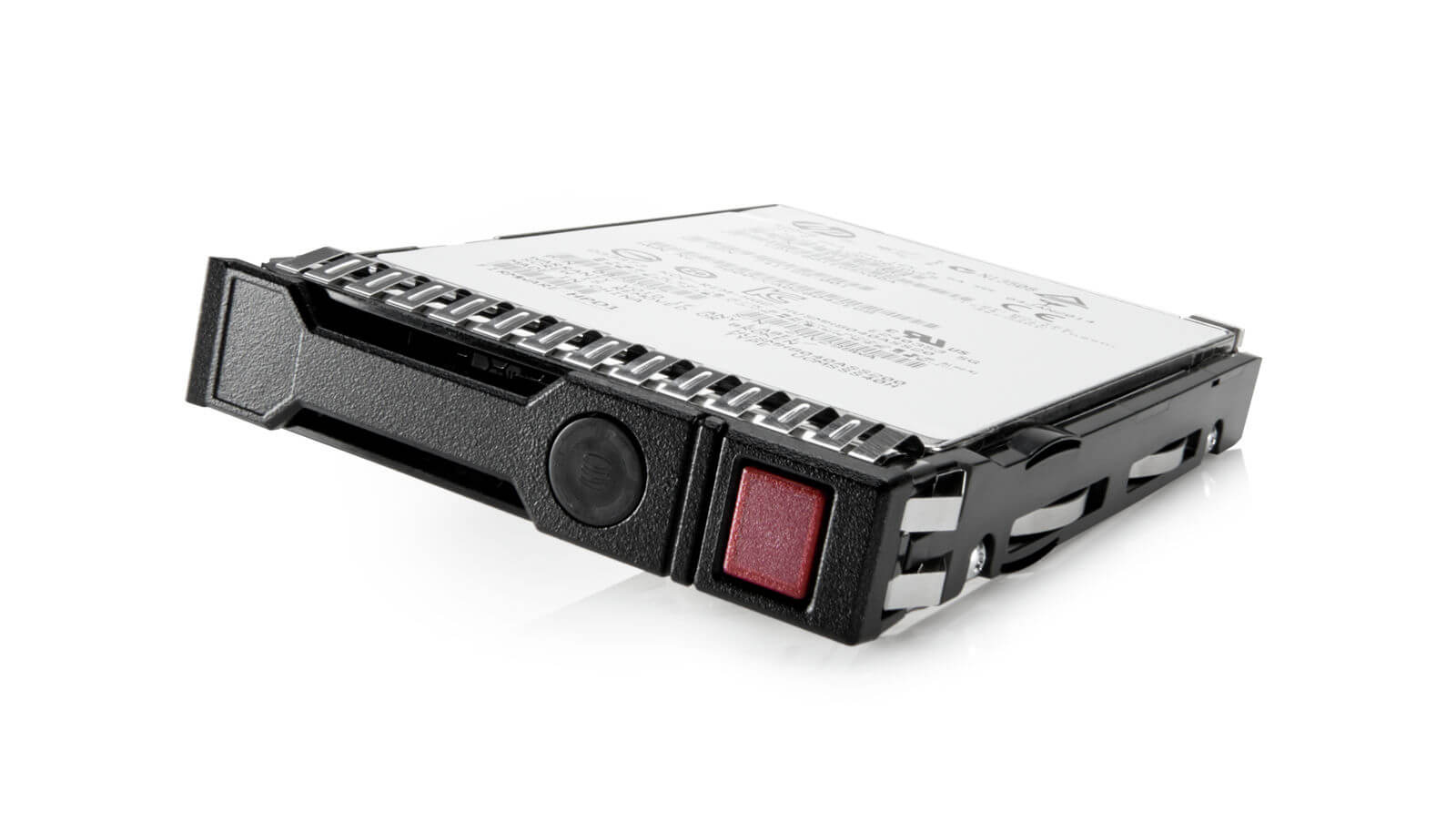
Description
Features and Benefits
Features and benefits refer to the specific characteristics and advantages that a product offers to its users. In the case of a hard drive, the features and benefits may include:
- Storage Capacity: The amount of data that can be stored on a hard drive is a key feature. A hard drive with a large storage capacity can store more data, which is a benefit for users who need to store a lot of files, images, or videos.
- Speed: The speed at which data can be read from and written to a hard drive is another important feature. Faster hard drives can access data more quickly, which can result in improved system performance.
- Reliability: Hard drives can fail, so reliability is a critical feature. Hard drives with high reliability are less likely to fail, which means that users are less likely to lose their data.
- Connectivity: The type of connection that a hard drive uses to connect to a computer is another feature. Hard drives with faster connectivity standards, such as SAS or SATA, can transfer data more quickly.
- Compatibility: It’s important to consider the compatibility of a hard drive with the computer or storage system it will be used in. Hard drives that are compatible with a variety of systems are a benefit for users who want to use the drive in different systems.
By understanding the features and benefits of a hard drive, users can make an informed decision about which drive is best for their needs. Hard drives with different features and benefits may be better suited for different use cases, such as data backup, video editing, or gaming.
Data Management
Data management refers to the process of organizing, storing, preserving, and using data in an effective and efficient manner. It encompasses the systems, policies, and procedures used to manage data from its creation to its final disposition.
Data management activities include data backup and recovery, data archiving, data security, data quality assurance, and data analysis. The goal of data management is to ensure that data is accurate, reliable, and accessible when it is needed, and to minimize the risk of data loss or corruption.
It includes tasks such as data backup, data recovery, data archiving, data migration, and data security. Effective data management is essential for ensuring the availability and reliability of important business information, as well as for meeting regulatory and compliance requirements.
Environmental Considerations
Environmental considerations refer to the impact that the production, use, and disposal of a product have on the environment. It encompasses factors such as energy efficiency, materials used, packaging, and end-of-life disposal. When it comes to hard drives, environmental considerations may include:
- Energy Efficiency: Hard drives consume power, so it is important to consider their energy consumption when choosing a drive. High-efficiency drives are more environmentally friendly as they consume less power.
- Materials: The materials used in the production of hard drives, such as plastics and metals, can have an impact on the environment. Hard drive manufacturers can minimize this impact by using recycled materials and reducing waste.
- Packaging: The packaging used to protect and ship hard drives can also have an impact on the environment. Using recyclable materials and reducing waste is important to minimize this impact.
- End-of-Life Disposal: When a hard drive reaches the end of its life, it must be disposed of in an environmentally responsible manner. This may involve recycling the drive or properly disposing of hazardous materials.
Considering these environmental factors is important for organizations that are committed to sustainability and reducing their carbon footprint. By choosing products with good environmental considerations, organizations can help to reduce their impact on the environment.
Product Information:
- MPN: Q1H48A
- Type : Hard Drive (HDD)
- Sub-Type : 4TB 7.2KRPM
- Manufacturer : Hewlett Packard Enterprise (HPE)
- SKU: Q1H48A
Technical Information
- Capacity : 4 TB
- Hardware Encryption : Yes
- Encryption Algorithm : Fips
- Form Factor : 3.5 LFF
- Interface : SAS 12GB/S
- Spindle Speed : 7200 RPM
- Interfaces : 1 X SAS 12 GB/S
- Compatible Bay : 3.5 LFF
Compatibility:
- HPE Modular Smart Array 2040 LFF Chassis
- HPE Modular Smart Array2040 LFF Dc-power Chassis
- HPE Modular Smart Array2040 LFF Disk Enclosure
- HPE Modular Smart Array2040 SAS Dual Controller LFF Storage


