

Description
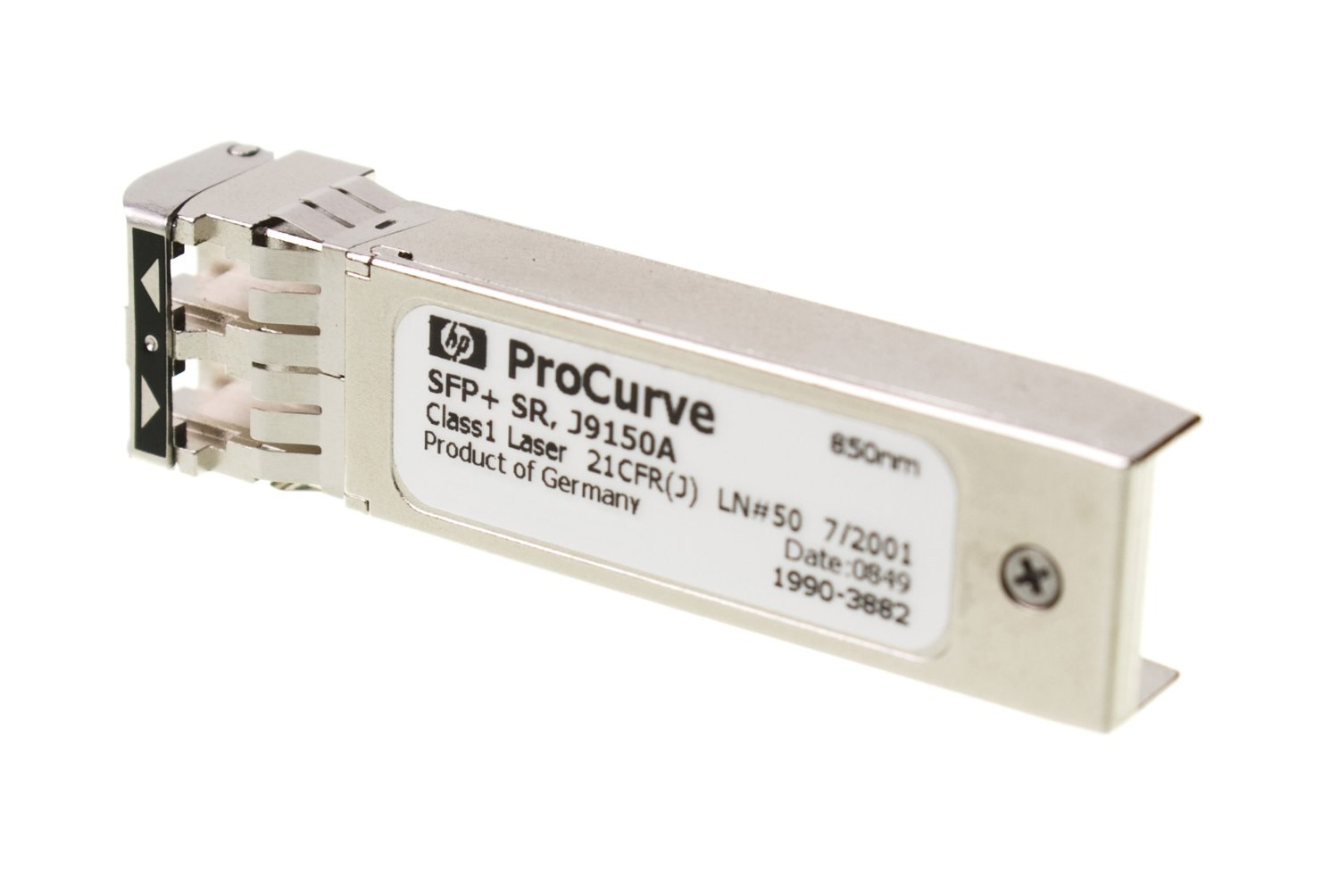
HPE J9150A#ABA ProCurve X132 SFP+ Transceiver Module
In the ever-evolving landscape of networking technology, high-performance components play a crucial role in ensuring seamless data transmission. One such component is the HPE J9150A#ABA ProCurve X132 SFP+ Transceiver Module. In this comprehensive guide, we will delve into the intricacies of this module, focusing on its key features, specifications, and how it facilitates Gigabit-per-second (Gbps) connectivity over multi-mode fiber.
Overview of HPE J9150A#ABA ProCurve X132
The HPE J9150A#ABA is a cutting-edge Small Form Factor Pluggable Plus (SFP+) transceiver module designed to meet the demands of modern networking environments. This module is specifically engineered to provide high-speed connectivity, making it an ideal choice for applications requiring Gigabit-per-second data transfer rates.
Key Features10Gbps Data Transfer Rate
The standout feature of the HPE J9150A#ABA is its impressive data transfer rate of 10 Gigabits per second (10Gbps). This high-speed capability ensures rapid and efficient data transmission, making it suitable for bandwidth-intensive tasks.
10GBase-Short Reach (SR) Standard
This SFP+ transceiver module adheres to the 10GBase-SR standard, which is specifically designed for short-range connections. The SR standard is optimized for distances up to 300 meters, making it an excellent choice for data centers and environments where short-range, high-speed connectivity is essential.
Multi-mode Fiber Compatibility
The HPE J9150A#ABA is tailored for use with multi-mode fiber optic cables. Multi-mode fiber is known for its ability to carry multiple signals simultaneously, making it suitable for high-bandwidth applications over shorter distances.
Wavelength and Duplex Configuration
Operating at a wavelength of 850nm, this transceiver module is equipped for multi-mode fiber transmissions. Additionally, it features a duplex configuration, allowing for simultaneous bidirectional data transfer.
Low Current (LC) Connector
The inclusion of a Low Current (LC) connector enhances the efficiency of the HPE J9150A#ABA ProCurve X132. LC connectors are known for their low insertion loss and compact design, ensuring a reliable and space-efficient connection.
Small Form Factor Pluggable Plus (SFP+) Design
The SFP+ form factor is a compact design that allows for hot swapping, meaning the module can be replaced without powering down the entire system. This feature enhances flexibility and minimizes downtime in networking environments.
Technical Specifications
To better understand the capabilities of the HPE J9150A#ABA ProCurve X132, let’s explore its technical specifications in detail:
Data Rate
The transceiver module supports a data rate of 10Gbps, providing high-speed connectivity for data-intensive applications.
Standard Compliance
Compliant with the 10GBase-SR standard, the module ensures compatibility with a wide range of networking equipment and infrastructure.
Fiber Type
Designed for use with multi-mode fiber, the module supports efficient data transmission over shorter distances.
Wavelength
Operating at a wavelength of 850nm, the module is optimized for multi-mode fiber optic cables commonly used in data centers and enterprise environments.
Connector Type
Equipped with a Low Current (LC) connector, the module ensures a reliable and low-loss connection for seamless data transmission.
Form Factor
The Small Form Factor Pluggable Plus (SFP+) design enhances the module’s versatility by allowing hot swapping and minimizing downtime during maintenance or upgrades.
Applications of HPE J9150A#ABA ProCurve X132
The HPE J9150A#ABA ProCurve X132 SFP+ Transceiver Module finds its applications in various networking scenarios, including:
Data Centers
In data center environments where high-speed and short-range connectivity is paramount, the HPE J9150A#ABA excels. Its 10Gbps data transfer rate and compatibility with multi-mode fiber make it an ideal choice for interconnecting servers and storage systems.
Enterprise Networks
Enterprises with demanding networking requirements benefit from the HPE J9150A#ABA’s ability to handle high-bandwidth tasks efficiently. Its compact design and hot-swappable feature make it suitable for enterprise environments where minimizing downtime is crucial.
High-Performance Computing (HPC)
In High-Performance Computing (HPC) clusters, where rapid data exchange between nodes is essential, the HPE J9150A#ABA facilitates the high-speed communication required for complex computational tasks.
Telecommunication Networks
Telecommunication networks leverage the HPE J9150A#ABA for its 10Gbps data transfer rate and multi-mode fiber compatibility, ensuring reliable and high-speed connections for voice, data, and video transmission.
Main Specification about this HPE J9150A#ABA
- Manufacturer: HPE
- Part Number or SKU # J9150A#ABA
- Device Type: Transceiver Module
Technical Information
- Connectivity Technology: Wired
- Cabling Type: 10GBase-SR
- Data Link Protocol: 10 GigE
- Ports: 1 LC 10-GbE Port(IEEE 802.3ae Type 10Gbase-SR), Duplex: Full Only
- Optical Wave Length: 850 nm
- Max Transfer Distance: 984 ft
- Compliant Standards: IEEE 802.3ae
Expansion / Connectivity
- Interfaces: 1 x Ethernet 10GBase-SR – LC multi-mode
- Compatible Slots: 1 x SFP+
- Cabling Distance (Maximum): 62.5 µm Multimode Cable @ 160 MHz*km = 2-26 m, 62.5 µm Multimode Cable @ 200 MHz*km = 2-33 m, 50 µm Multimode Cable @ 400 MHz*km = 2-66 m, 50 µm Multimode Cable @ 500 MHz*km = 2-82 m, 50 µm Multimode Cable @ 2000 MHz*km = 2-300 m
Environmental Parameters
- Min Operating Temperature: 32 °F (0 °C)
- Max Operating Temperature: 158 °F (70 °C)
- Operating Altitude: up to 10000 ft.
- Operating Humidity Range: 0 to 85% (noncondensing)
Compatibility
- HPE 6120XG Blade Switch, 6600-24G-4XG Switch, 6600-48G-4XG Switch
Outline, the HPE J9150A#ABA ProCurve X132 SFP+ Transceiver Module stands as a testament to the relentless pursuit of high-performance networking solutions. With its 10Gbps data transfer rate, compatibility with multi-mode fiber, and versatile SFP+ design, this module caters to the connectivity needs of modern data centers, enterprises, and telecommunications networks.