


Description
More Information for Samsung M386B4G70DM0-YK04
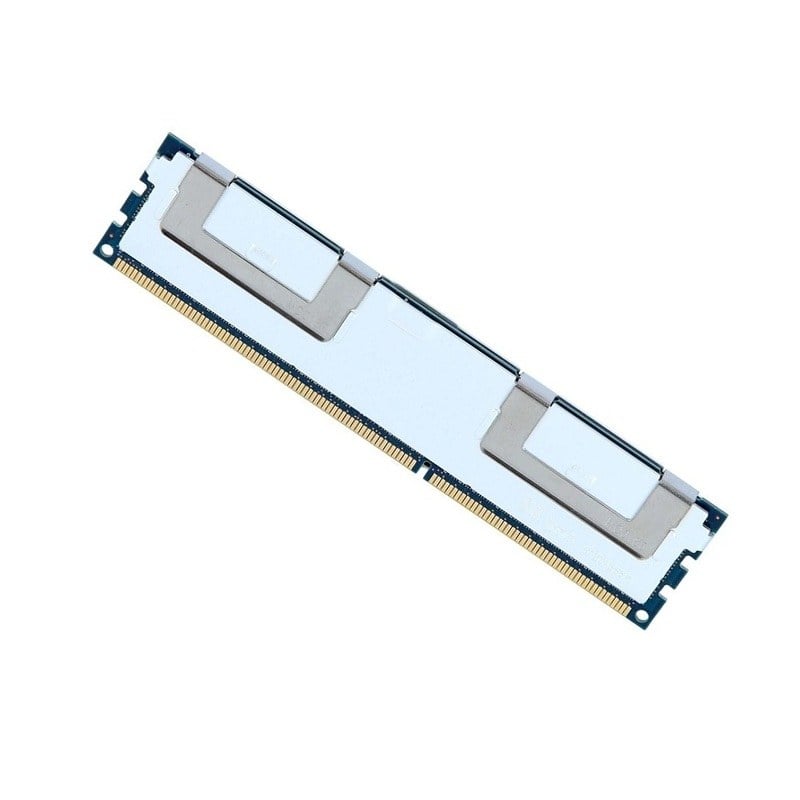
In the dynamic realm of computer hardware, memory plays a pivotal role in determining system performance. One standout component in this landscape is the Samsung M386B4G70DM0-YK04, a 32-gigabyte (GB) DDR3 Error Correction Code (ECC) Registered Load Reduced DIMM (LRDIMM). In this comprehensive guide, we will delve into the intricacies of this memory module, exploring its specifications, applications, and the significance it holds for server environments.
Understanding the BasicsSamsung M386B4G70DM0-YK04 Overview
The Samsung M386B4G70DM0-YK04 is a high-capacity memory module designed for use in servers. It boasts 32 gigabytes of storage, making it a formidable option for applications that demand substantial memory resources. Operating at a frequency of 1600 megahertz (MHz), this DDR3 module ensures swift data transfer and responsiveness.
DDR3 Technology
DDR3 (Double Data Rate 3) is a type of synchronous dynamic random-access memory (SDRAM) that has been widely adopted in computing systems. It offers improved data transfer rates and energy efficiency compared to its predecessors. The DDR3 technology in the Samsung M386B4G70DM0-YK04 contributes to its performance and reliability.
ECC (Error Correction Code)
Error Correction Code is a crucial feature in memory modules, especially in server environments where data accuracy is paramount. The ECC functionality in the Samsung M386B4G70DM0-YK04 helps detect and correct errors that may occur during data storage or transmission, enhancing the module’s reliability.
Registered vs. Unbuffered Memory
The term “Registered” in the module’s specifications indicates that it features a register between the RAM module and the system’s memory controller. This helps reduce the electrical load on the memory controller, allowing for more stable performance, particularly in systems with multiple memory modules.
LRDIMM (Load Reduced DIMM)
Load-reduced DIMM is a memory module technology that reduces the electrical load presented to the memory controller. This results in increased memory capacity and improved signal integrity. The Samsung M386B4G70DM0-YK04 being an LRDIMM signifies its suitability for high-density memory configurations in server setups.
Exploring Technical Details4rx4 Configuration
The “4rx4” configuration denotes that the memory module has four ranks, each with four memory banks. This arrangement enhances memory access parallelism, contributing to improved overall performance.
CL11 Latency
CAS Latency (CL) is a critical parameter that measures the delay between the memory controller issuing a read command and the data being available. A CL11 latency in the Samsung M386B4G70DM0-YK04 indicates a responsive memory module, ensuring quick access to stored data.
PC3-12800 Standard
The PC3-12800 standard, also known as DDR3-1600, specifies the peak transfer rate of the memory module. In the case of the Samsung M386B4G70DM0-YK04, this translates to a data transfer rate of 1600 megabits per second, facilitating efficient data handling.
Applications and Use CasesServer Environments
The Samsung M386B4G70DM0-YK04’s specifications position it as an ideal choice for server environments. The combination of ECC, registered design, and LRDIMM technology makes it well-suited for applications that demand high performance, reliability, and data integrity.
Big Data and Virtualization
In contemporary computing, where big data processing and virtualization are prevalent, the demand for robust memory solutions is higher than ever. The 32GB capacity of the Samsung M386B4G70DM0-YK04 ensures that these memory-intensive tasks can be executed with efficiency.
Enterprise-level Applications
Enterprise-level applications, such as database management systems and business intelligence tools, often require substantial memory resources. The ECC functionality in the Samsung M386B4G70DM0-YK04 adds an extra layer of protection, making it suitable for critical business operations.
High-Performance Computing (HPC)
For applications in the realm of high-performance computing, where processing vast amounts of data in parallel is essential, the Samsung M386B4G70DM0-YK04’s 4rx4 configuration and ECC capabilities contribute to seamless and error-free operations.
Benefits and AdvantagesReliability and Data Integrity
One of the standout features of the Samsung M386B4G70DM0-YK04 is its ECC functionality. Error Correction Code ensures that any potential errors in data transmission or storage are detected and corrected, safeguarding the integrity of critical information.
Stability in Multi-module Configurations
The registered design of the memory module reduces the electrical load on the memory controller. In systems with multiple memory modules, this results in improved stability and performance by mitigating electrical interference.
Enhanced Performance with LRDIMM Technology
Load Reduced DIMM technology optimizes signal integrity, allowing for higher memory capacities without sacrificing performance. The Samsung M386B4G70DM0-YK04’s LRDIMM design contributes to its suitability for memory-intensive applications.
Main Specification about the Samsung M386B4G70DM0-YK04
- Manufacturer: Samsung
- Part Number or SKU# M386B4G70DM0-YK04
- Product Name: 32GB DDR3 SDRAM Memory Module
- Device Type: Memory (RAM)
- RAM Type: PC3-12800
Technical Information
- Storage Capacity: 32 GB
- Memory Technology: DDR3 SDRAM
- Number Of Modules: 1 X 32 GB
- Memory Speed: 1600 MHz
- Memory Standard: DDR3-1600/PC3-12800
- Error Checking: ECC
- Signal Processing: Registered
- Cas Latency: Cl11
- Voltage: 1.35V
- Rank Features: Quad Rank
Outline, the Samsung M386B4G70DM0-YK04 emerges as a formidable player in the realm of high-capacity DDR3 memory modules designed for server environments. Its 32GB capacity, ECC functionality, registered design, and LRDIMM technology collectively make it a reliable and efficient choice for applications ranging from enterprise-level databases to high-performance computing tasks. As technology continues to evolve, memory modules like the Samsung M386B4G70DM0-YK04 play a crucial role in meeting the escalating demands of modern computing.