


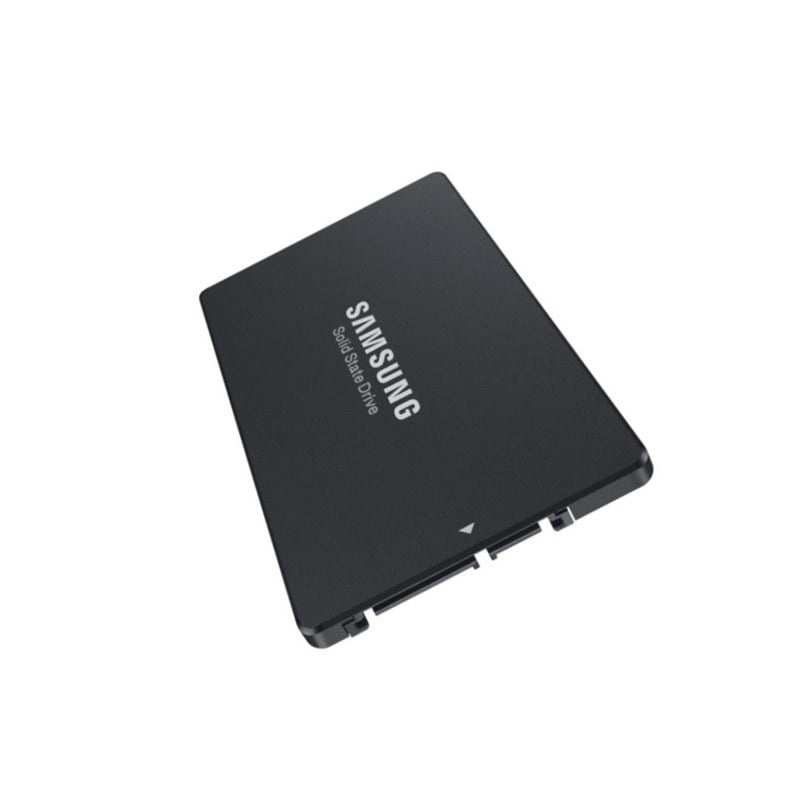


Description
Product overview for the Samsung MZILS3T8HMLH0D4
The “Samsung MZILS3T8HMLH0D4 3.84TB SAS 12GBPS SSD Pm1633a Series Enterprise Internal” is a mouthful of a product name, but it represents a powerful and versatile storage solution. In this detailed guide, we will break down this complex name and explore every aspect of this storage device, from its specifications to its use cases in enterprise environments. By the end of this article, you will have a comprehensive understanding of what this SSD is, what it offers, and how it can benefit your business.
Understanding the Product Name
Before diving into the technical details, let’s decipher the product name to get a better idea of what this SSD is all about.
- Samsung: This is the brand name, indicating that the product is manufactured by Samsung, a well-known electronics company.
- MZILS3T8HMLH0D4: This is the model or part number of the SSD. Model numbers are unique identifiers that help distinguish different products within a brand’s lineup. In this case, “MZILS3T8HMLH0D4” is specific to this particular Samsung SSD.
- 3.84TB: This indicates the storage capacity of the SSD, which is 3.84 terabytes. Storage capacity is a crucial factor when choosing an SSD, as it determines how much data the drive can hold.
- SAS 12GBPS: SAS stands for Serial Attached SCSI, which is a type of interface used for connecting storage devices to servers or storage controllers. “12GBPS” refers to the data transfer speed of the interface, which is 12 gigabits per second. This high data transfer rate is essential for enterprise-level applications where speed and reliability are critical.
- SSD: SSD stands for Solid-State Drive. Unlike traditional hard disk drives (HDDs) that use spinning disks to store data, SSDs use NAND flash memory chips, which provide faster data access and improved reliability.
- Pm1633a Series: This indicates that the SSD belongs to the Pm1633a Series, which is a product line or family of storage devices from Samsung. Product series often share similar features and capabilities.
- Enterprise Internal: This part of the name suggests that the SSD is designed for enterprise use and is intended to be installed internally within a server or storage system.
Now that we’ve broken down the product name, let’s explore the various aspects of this SSD in more detail.
Technical Specifications
To understand the capabilities of the Samsung MZILS3T8HMLH0D4 3.84TB SAS 12GBPS SSD, we need to delve into its technical specifications. These specifications provide valuable information about its performance, reliability, and compatibility.
Storage Capacity
The most prominent feature of this SSD is its impressive storage capacity of 3.84 terabytes (TB). Storage capacity is a vital consideration in enterprise environments where large volumes of data need to be stored and accessed quickly. With 3.84TB of storage space, this SSD can handle substantial amounts of data, making it suitable for data-intensive applications, databases, and virtualization environments.
Interface: SAS 12GBPS
The SAS (Serial Attached SCSI) interface is a key component of this SSD. SAS is a high-speed data transfer interface commonly used in enterprise storage solutions. The “12GBPS” in the product name indicates that this SSD supports data transfer rates of up to 12 gigabits per second. This high bandwidth is crucial for reducing latency and ensuring that data can be read and written quickly, making it ideal for demanding enterprise workloads.
NAND Flash Memory
As an SSD, the Samsung MZILS3T8HMLH0D4 utilizes NAND flash memory to store data. NAND flash memory is a type of non-volatile storage that retains data even when the power is turned off. It offers several advantages over traditional HDDs, including faster read and write speeds, lower power consumption, and greater reliability. NAND flash memory is organized into cells, with single-level cell (SLC), multi-level cell (MLC), and triple-level cell (TLC) being common types. The specific type of NAND flash used in this SSD can impact its performance and durability.
Form Factor
The form factor of a storage device determines its physical size and shape, which can be important when selecting hardware for your enterprise environment. This Samsung SSD likely conforms to standard form factors used in enterprise servers and storage systems. Common form factors for enterprise SSDs include 2.5-inch, 3.5-inch, and U.2.
Endurance and Reliability
Enterprise storage devices are expected to operate reliably under heavy workloads for extended periods. The endurance of an SSD is measured in terms of the total bytes written (TBW) over its lifespan. SSDs designed for enterprise use typically have high TBW ratings to ensure longevity. Additionally, features like error correction and power-loss protection are essential for maintaining data integrity in enterprise environments.
Read and Write Performance
The speed at which data can be read from and written to the SSD is a critical performance metric. Enterprise SSDs often have impressive read and write speeds to support data-intensive applications and fast data retrieval. The performance of an SSD can vary depending on factors such as the type of NAND flash memory used, the controller technology, and the interface.
Power Consumption
Power efficiency is an important consideration in data centers and enterprise environments. Lower power consumption not only reduces operating costs but also contributes to a more environmentally friendly operation. The power requirements of this SSD, including idle and active power consumption, should be documented in its specifications.
Compatibility and Operating Conditions
Enterprise hardware must be compatible with existing infrastructure and operate reliably in various environmental conditions. Compatibility information, such as supported operating systems and server platforms, should be available in the product documentation. Additionally, details about the operating temperature range and humidity tolerance can help IT administrators ensure that the SSD will perform optimally in their specific environment.
Use Cases
Now that we have a solid understanding of the technical specifications, let’s explore the potential use cases for the Samsung MZILS3T8HMLH0D4 3.84TB SAS 12GBPS SSD in enterprise settings.
Data Centers
Data centers are the heart of many enterprises, housing vast amounts of critical data and applications. The high storage capacity, fast data transfer speeds, and reliability of this SSD make it an excellent choice for data center applications. It can be used to store virtual machine images, databases, and mission-critical data.
Database Servers
Database servers demand fast and reliable storage to handle the constant read-and-write operations associated with managing databases. This SSD’s high-speed SAS interface and ample storage capacity are well-suited for database servers, helping improve query response times and overall database performance.
Virtualization
Virtualization technology allows enterprises to run multiple virtual machines (VMs) on a single physical server. These VMs require storage that can handle the I/O demands of multiple operating systems and applications simultaneously. The Samsung SSD’s high read and write speeds make it an excellent choice for virtualization environments, where responsiveness and performance are critical.
Big Data and Analytics
Analyzing large datasets requires storage solutions that can deliver data quickly and reliably. With its 3.84TB capacity and SAS 12GBPS interface, this SSD can store and retrieve vast amounts of data rapidly, making it suitable for big data and analytics workloads.
High-Performance Computing (HPC)
High-performance computing clusters are used for scientific simulations, modeling, and complex calculations. These environments require storage that can keep up with the computational demands. The high-speed SAS interface and low latency of this SSD can benefit HPC clusters by reducing data access times and improving overall system performance.
Content Delivery Networks (CDNs)
CDNs distribute content, such as images and videos, to users around the world. Low latency and fast data access are crucial for delivering content quickly. The high-speed capabilities of this SSD can enhance CDN performance, ensuring that users receive content promptly.
Enterprise Backup and Archiving
Data backup and archiving are essential for data protection and compliance. This SSD’s large capacity makes it suitable for backing up critical data and archives. Its SAS interface ensures that data can be transferred quickly to and from the storage device.
High-Transaction Databases
In environments where databases experience a high volume of transactions, having storage that can handle simultaneous read and write operations is essential. This SSD’s performance characteristics make it a strong choice for high-transaction database servers, ensuring that data is processed efficiently.
Benefits of Using the Samsung MZILS3T8HMLH0D4 3.84TB SAS 12GBPS SSD
Now that we’ve explored the technical specifications and potential use cases, let’s summarize the key benefits of using the Samsung MZILS3T8HMLH0D4 3.84TB SAS 12GBPS SSD in an enterprise setting.
High Storage Capacity
The 3.84TB capacity of this SSD provides ample storage space for large datasets, virtual machines, databases, and more. This capacity is particularly valuable in data center environments where data storage needs continue to grow.
Fast Data Transfer Speeds
The SAS 12GBPS interface ensures rapid data transfer, reducing latency and improving overall system performance. This is critical for applications that require quick access to data, such as databases and virtualization.
Reliability and Endurance
Enterprise SSDs are designed for reliability and longevity. This SSD offers high endurance, error correction, and power-loss protection, ensuring data integrity and system stability in demanding enterprise environments.
Improved Energy Efficiency
Lower power consumption contributes to reduced operating costs and environmental sustainability. This SSD is designed with energy efficiency in mind, making it a responsible choice for businesses aiming to minimize their carbon footprint.
Versatile Use Cases
From data centers to high-transaction databases and content delivery networks, this SSD can be deployed in a wide range of enterprise applications, making it a versatile and cost-effective storage solution.
Enhanced Performance
The SSD’s read-and-write performance capabilities enhance the responsiveness of applications and reduce bottlenecks in data-intensive tasks, ultimately improving productivity and user satisfaction.
Scalability
The SSD’s high storage capacity and performance make it a scalable solution. As your enterprise grows and requires more storage, you can easily add additional drives to meet your expanding storage needs.
Data Protection and Compliance
For businesses that need to adhere to data protection and compliance regulations, this SSD’s reliability and backup capabilities help ensure that critical data is safeguarded and accessible when needed.
In summary, in the detailed guide, we’ve explored the Samsung MZILS3T8HMLH0D4 3.84TB SAS 12GBPS SSD Pm1633a Series Enterprise Internal, breaking down its product name, technical specifications, potential use cases, and the benefits it offers to enterprise environments. This SSD’s high storage capacity, fast data transfer speeds, reliability, and versatility make it a compelling choice for businesses looking to optimize their storage infrastructure, improve performance, and meet the demands of modern data-driven applications.
General Information about Samsung MZILS3T8HMLH0D4
- Manufacturer: Samsung
- Model Number or SKU# MZILS3T8HMLH0D4
- Type: Solid State Drive (SSD)
- Product Type: SAS 12GBPS
Device Specifications of the 3.84TB Solid State Drive (SSD)
- Device Type: Solid State Drive (Internal)
- Capacity: 3.84 Terabytes
- Form Factor: 2.5 inches
- Interface: SAS 12 Gbps
Performance
- Drive Writes Per Day (DWPD): 1
- Drive Transfer Rate: 1.2 Gigabits per second (external)
- Internal Data Rate: 1250 Megabits per second (read) / 1250 Megabits per second (write)
- Random Read: 200,000 Input/Output Operations Per Second (IOPS)
- Random Write: 35,000 Input/Output Operations Per Second (IOPS)
Reliability
- MTBF (Mean Time Between Failures): 2,000,000 hours
- UBER (Unrecoverable Bit Error Rate): 1 in 10^17
Expansion & Connectivity
- Interfaces: 1 x SAS 12 Gbps
- Compatible Bay: 2.5-inch


