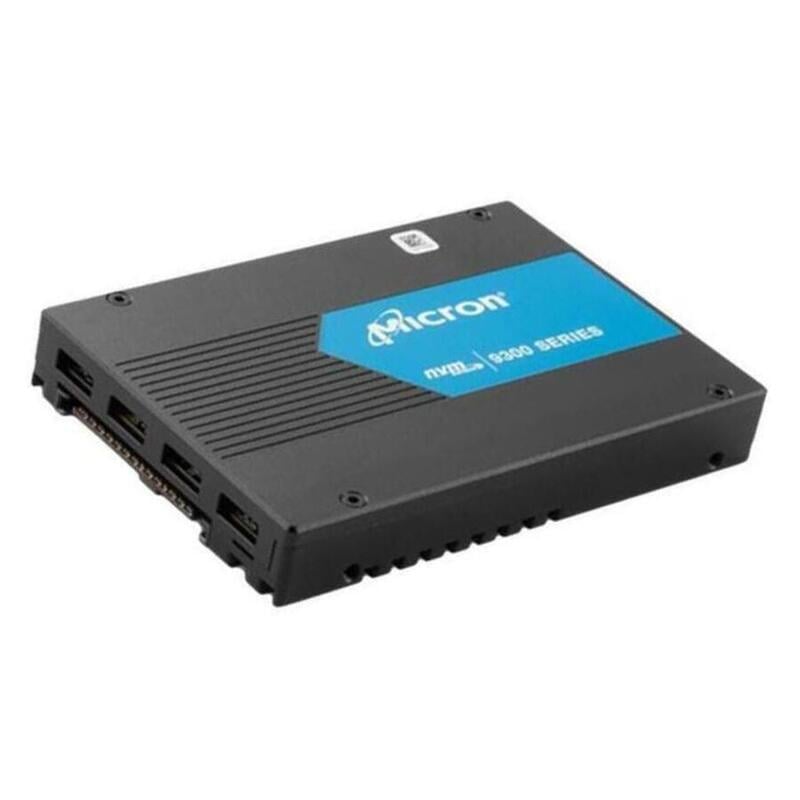


Description
Product Overview for the Samsung MZWLO7T6HBLA PM1743 7.68TB SSD
In the world of data storage and computing, Solid State Drives (SSDs) have revolutionized the way we store and access data. They offer faster speeds, increased reliability, and improved efficiency compared to traditional Hard Disk Drives (HDDs). Samsung, a renowned leader in the tech industry, has consistently delivered cutting-edge SSD solutions. One of their remarkable products is the Samsung MZWLO7T6HBLA PM1743 7.68TB U.3 PCI-E 5.0 x4 NVME RI Enterprise SSD. In this article, we will dive into the details of this advanced SSD, exploring its features, benefits, and applications.
Understanding the Samsung PM1743 SSD
The Samsung MZWLO7T6HBLA PM1743 is a state-of-the-art solid-state drive designed specifically for enterprise use. It’s part of Samsung’s lineup of high-performance SSDs that cater to the demanding needs of businesses, data centers, and cloud computing environments. Let’s break down the key components of its name to better understand its specifications:
- Samsung: This denotes the manufacturer of the SSD, Samsung, a globally recognized brand for electronics and technology products.
- MZWLO7T6HBLA: This alphanumeric code likely represents the model or part number of the SSD, which helps identify it uniquely.
- PM1743: PM1743 may be a series or product family designation, indicating the SSD’s category within Samsung’s product range.
- 7.68TB: This number represents the storage capacity of the SSD, indicating that it has a substantial 7.68 terabytes of storage space. This is a significant capacity, making it suitable for storing vast amounts of data.
- U.3: The U.3 specification is a standard that specifies the form factor and connector type of the SSD. U.3 typically refers to 2.5-inch drives with a U.3 connector, which is commonly used in enterprise-grade SSDs.
- PCI-E 5.0 x4 NVME: These specifications provide information about the SSD’s interface and connectivity. PCI-E 5.0 x4 NVME indicates that the SSD uses the PCI Express 5.0 interface with four lanes (x4) and employs the Non-Volatile Memory Express (NVMe) protocol. These features collectively contribute to high-speed data transfer and low latency, making it ideal for enterprise applications.
- RI Enterprise: The term “RI Enterprise” may refer to the intended use case of the SSD, indicating that it is designed and optimized for enterprise-level applications, which often require high performance, reliability, and endurance.
Key Features of the Samsung PM1743 SSD
Now that we’ve dissected the name, let’s explore the essential features of the Samsung MZWLO7T6HBLA PM1743 7.68TB U.3 PCI-E 5.0 x4 NVME RI Enterprise SSD:
- High Capacity: As mentioned earlier, this SSD boasts an impressive storage capacity of 7.68 terabytes. This generous capacity makes it suitable for enterprises with vast data storage needs, including data centers and cloud infrastructure.
- PCI Express 5.0 Interface: The use of the PCI Express 5.0 interface ensures rapid data transfer speeds. The fifth generation of PCI Express delivers faster bandwidth compared to its predecessors, enabling quicker access to data and reducing latency.
- NVMe Protocol: NVMe is a protocol optimized for SSDs, offering improved performance and efficiency compared to traditional storage protocols like SATA. It takes full advantage of the SSD’s capabilities, resulting in lower latency and higher throughput.
- Enterprise-Grade Reliability: Enterprise SSDs are engineered for reliability and endurance. The Samsung PM1743 is likely equipped with advanced error correction mechanisms, wear-leveling algorithms, and power-loss protection to ensure data integrity and minimize the risk of data loss.
- U.3 Form Factor: The U.3 form factor is a standard in enterprise storage, ensuring compatibility with various server and storage systems. It provides a 2.5-inch drive size and U.3 connector for seamless integration into enterprise environments.
- Optimized for Read-Intensive Workloads: The “RI” designation in the name suggests that this SSD is tailored for read-intensive workloads. This makes it an excellent choice for applications where data retrieval speed is crucial, such as database servers and content delivery networks.
- Endurance: Enterprise SSDs are designed to withstand heavy workloads and extended usage. The Samsung PM1743 likely offers high endurance, meaning it can handle frequent read operations over an extended period without significant degradation in performance.
Applications of the Samsung PM1743 SSD
Now that we’ve covered the key features of the Samsung PM1743 SSD, let’s delve into the various applications where this enterprise-grade SSD can shine:
- Data Centers: Data centers are the backbone of modern computing infrastructure, and they require storage solutions that can handle the immense amount of data processed and stored. The high capacity and reliability of the Samsung PM1743 make it an ideal choice for data center deployments, where fast data access and durability are paramount.
- Cloud Computing: Cloud service providers rely on SSDs to deliver responsive and efficient cloud services to their clients. The Samsung PM1743’s combination of high capacity and speed makes it suitable for use in cloud computing environments, where it can accelerate data retrieval and processing tasks.
- Big Data Analytics: Organizations engaged in big data analytics often deal with massive datasets that need to be processed quickly. The PM1743’s read-intensive design is well-suited for big data applications, where rapid data access is critical for generating insights and making informed decisions.
- Content Delivery Networks (CDNs): CDNs are responsible for delivering web content to users around the world with minimal latency. The Samsung PM1743’s high-speed NVMe interface and reliability make it an excellent choice for CDN servers, ensuring fast content delivery and a seamless user experience.
- Database Servers: Database servers handle transactions and queries from various applications. These servers benefit from SSDs that can provide rapid access to data, improving overall database performance. The Samsung PM1743’s read-optimized design aligns with the requirements of database servers.
- Virtualization: Virtualization technologies enable the creation of multiple virtual machines (VMs) on a single physical server. Enterprise SSDs like the PM1743 enhance virtualization performance by reducing I/O bottlenecks and enabling quicker VM provisioning.
- Online Transaction Processing (OLTP): OLTP systems, commonly used in e-commerce and financial services, demand fast and reliable storage to handle numerous online transactions. The PM1743’s enterprise-level reliability and read-intensive focus are well-suited for OLTP workloads.
- Content Creation: Content creators working with large video, audio, or graphics files require fast storage solutions to efficiently handle high-resolution media. The Samsung PM1743 can accelerate content creation workflows, enabling smoother editing and rendering processes.
Benefits of Choosing the Samsung PM1743 SSD
Selecting the Samsung MZWLO7T6HBLA PM1743 7.68TB U.3 PCI-E 5.0 x4 NVME RI Enterprise SSD for your enterprise comes with several notable benefits:
- High Performance: With its PCI-E 5.0 interface, NVMe protocol, and read-intensive design, the PM1743 offers exceptional performance for data-intensive tasks, reducing data access times and improving overall system responsiveness.
- Reliability: Enterprise SSDs are built to be dependable, with features like advanced error correction, power-loss protection, and wear-leveling algorithms. This ensures that your data remains secure and accessible at all times.
- Scalability: The substantial 7.68TB capacity of the PM1743 allows for significant data storage and scalability. As your data storage needs grow, you can expand your storage infrastructure by adding more of these SSDs.
- Reduced Total Cost of Ownership (TCO): While enterprise SSDs often come at a higher initial cost compared to consumer-grade SSDs, their reliability and endurance can lead to lower long-term costs by reducing the need for frequent replacements and maintenance.
- Energy Efficiency: SSDs typically consume less power compared to traditional HDDs, contributing to energy savings in data centers and reducing operational costs.
- Improved Workload Efficiency: With its read-intensive focus, the PM1743 is optimized for workloads that require fast data retrieval. This can lead to improved efficiency in applications that rely on quick access to stored information.
- Compatibility: The U.3 form factor and connector type ensure compatibility with a wide range of enterprise server and storage systems, simplifying integration into existing infrastructure.
- Data Security: Enterprise SSDs often include encryption features to enhance data security, ensuring that sensitive information is protected against unauthorized access.
In summary, the Samsung MZWLO7T6HBLA PM1743 7.68TB U.3 PCI-E 5.0 x4 NVME RI Enterprise SSD is a powerful storage solution designed to meet the demanding needs of modern enterprises. With its high capacity, exceptional performance, and enterprise-grade reliability, it is well-suited for a wide range of applications, from data centers and cloud computing to big data analytics and content delivery networks. By choosing this SSD, businesses can benefit from improved data access, scalability, and overall efficiency, ultimately contributing to enhanced productivity and competitiveness in today’s data-driven world.
General Information about this Samsung MZWLO7T6HBLA
- Manufacturer: Samsung
- Part Number or SKU# MZWLO7T6HBLA
- Product Type: Non-Volatile Memory Express (NVMe)
- Product Name: Solid State Drive
Technical Specifications
- Device Type: Internal Solid State Drive
- Capacity: 7.68 Terabytes
- Form Factor: 2.5 inches
- Interface: PCI-E 5.0 x4
- Encryption: TCG Opal 2.0
Performance
- Random Read: Up to 2,500,000 IOPS
- Random Writes: Up to 300,000 IOPS
- Sequential Read: Up to 14,000 MB/s
- Sequential Writes: Up to 6,000 MB/s
- Data Loss Protection: Yes
- MTBF (Mean Time Between Failures): 2,500,000 hours
- Endurance (Total Bytes Written): 14,016 Terabytes
- DWPD (Drive Writes Per Day): 1 (5 years)
Expansion & Connectivity
- Interfaces: U.3 PCIe 5.0 (NVMe) x4
- Compatible Bay: 2.5 inches