


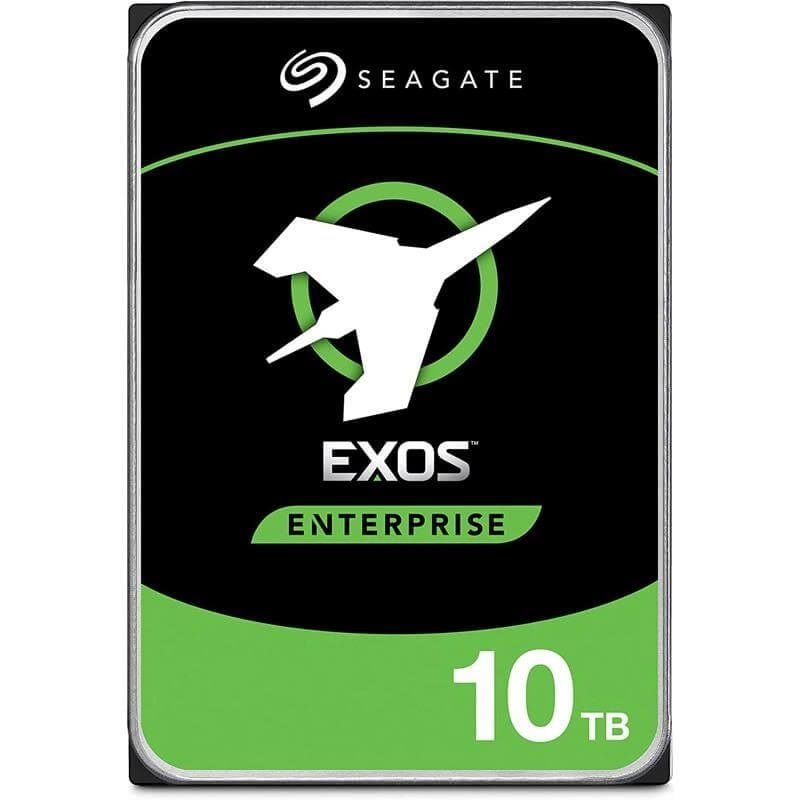


Description
Benefits of SAS Interface
SAS (Serial Attached SCSI) is a high-speed data transfer interface used in enterprise storage systems. SAS provides several benefits over other data transfer interfaces, such as SATA (Serial ATA) and SCSI (Small Computer System Interface), in terms of performance, reliability, and scalability.
Some of the benefits of SAS interface are:
- High Speed: SAS interface provides faster data transfer rates than SATA and SCSI, allowing for faster data access and improved overall performance.
- Reliability: SAS interface supports advanced error correction and fault tolerance features, making it more reliable than SATA and SCSI.
- Scalability: SAS interface supports multiple lanes and a large number of devices, making it easy to scale storage capacity as needed.
- Multiple Protocol Support: SAS interface supports multiple protocols, including SCSI, SATA, and PCI Express (PCIe), allowing for easy integration with existing storage systems.
- Dual Port Support: SAS interface supports dual-port connectivity, which provides improved reliability by allowing for data access from two separate paths in case of a single path failure.
- High Capacity: SAS interface supports large storage capacities, making it ideal for large-scale storage requirements in enterprise environments.
Operating Temperature Range
It’s important to make sure the environment in which the hard drive is installed is within the operating temperature range specified by the manufacturer in order to ensure proper operation and longevity of the drive.
The Operating Temperature Range is the range of temperatures within which a device, such as a hard drive, is designed to function normally and perform as intended. It is the range of temperatures that the device can withstand without any adverse effects on its performance, reliability or lifespan.
The operating temperature range for a device is specified by the manufacturer and can vary depending on the type and design of the device. For example, some hard drives may have an operating temperature range of 5°C to 55°C, while others may be rated for temperatures between 0°C and 60°C. Operating the hard drive outside of this temperature range can lead to performance degradation, increased power consumption, and potentially even permanent damage to the drive.
It’s important to consider the operating temperature range of a device when selecting it for a specific environment, such as a server room or a harsh industrial environment, to ensure that it will perform as expected within the required temperature range.
Enterprise Storage Systems
Enterprise storage systems are large-scale storage solutions designed to meet the demands of organizations with high data storage and retrieval needs. These systems provide centralized storage, management and protection of critical business data. Enterprise storage systems are typically used by large businesses, government agencies, and data centers, where large amounts of data must be stored, managed and protected in a highly available and secure manner.
Features of enterprise storage systems include:
- Scalability: ability to grow the storage capacity as data storage requirements increase.
- Reliability and High Availability: measures to ensure that data is accessible and protected from failures.
- Performance: ability to handle high data transfer rates and low latency for data access.
- Data Protection: mechanisms for data backup, disaster recovery, and data redundancy to protect against data loss.
- Management and Administration: tools for centralized storage management and administration.
- Security: features for data protection and access control.
Enterprise storage systems can be implemented using various technologies such as Direct Attached Storage (DAS), Network Attached Storage (NAS), Storage Area Networks (SAN), and Cloud Storage. The choice of technology depends on the specific requirements of the organization and the type of data being stored.
General Information
- Manufacturer : Seagate
- MPN : ST10000NM004G
- Series Exos X16 Series
- Type : Internal Hard Disk Drive (HDD)
- HDD Type : SAS-12GBPS
- SKU: ST10000NM004G
Technical Information
- Capacity 10 TB
- Interface 12 GBPS SAS
- Spin Speed 7200 RPM
- Cache 256 MB
Features
- Helium Sealed-Drive Design Yes
- Protection Information (T10 DIF) Yes
- SuperParity Yes
- Low Halogen Yes
- PowerChoice™ Idle Power Technology Yes
- Power Balance™ Power/Performance Technology Yes
- Hot-Plug Support Yes
- Cache, Multi-segmented (MB) 256
- Organic Solderability Preservative Yes
- RSA 2048 Firmware Verification (SD&D) Yes
Reliability/Data Integrity
- Mean Time Between Failures (MTBF, hours) 2 500 000
- Reliability Rating @ Full 24×7 Operation (AFR) 0,35%
- Non-recoverable Read Errors per Bits Read 1 sector per 10E15
- Power-On Hours per Year (24×7) 8 760
- 512e Sector Size (Bytes per Sector) 512, 520, 528
- 4Kn Sector Size (Bytes per Sector) 4096, 4160, 4224, 4096,
- 4160,4224
Performance
- Spindle Speed (RPM) 7,200 RPM
- Interface Access Speed (Gb/s) 12.0, 6.0, 3.0
- Max. Sustained Transfer Rate OD (MB/s, MiB/s) 245, 233
- Random Read/Write 4K QD16 WCD (IOPS) 170/440
- Average Latency (ms) 4,16
- Interface Ports Dual
- Rotation Vibration @ 20-1500 Hz (rad/sec²) 12,5
Power Consumption
- Idle A (W) Average 5 W
- Max Operating, Random Read/Write 4K/16Q (W) 10.2, 6.2
- Power Supply Requirements +12 V and +5 V
Environmental
- Temperature, Operating (°C) 5°C – 60°C
- Vibration, Non-operating: 2 to 500 Hz (Grms) 2,27
- Shock, Operating 2 ms (Read/Write) (Gs) 50
- Shock, Non-operating 2 ms (GS) 200
Physical
- Height (mm/in, max) 26.11 mm/1.028 in
- Width (mm/in, max) 101.85 mm/4.01 in
- Depth (mm/in, max) 147 mm/5.787 in
- Weight (lb/g) 670 g/1.477 lb
- Carton Unit Quantity 20
- Cartons per Pallet / Cartons per Layer 40/8


