


Description
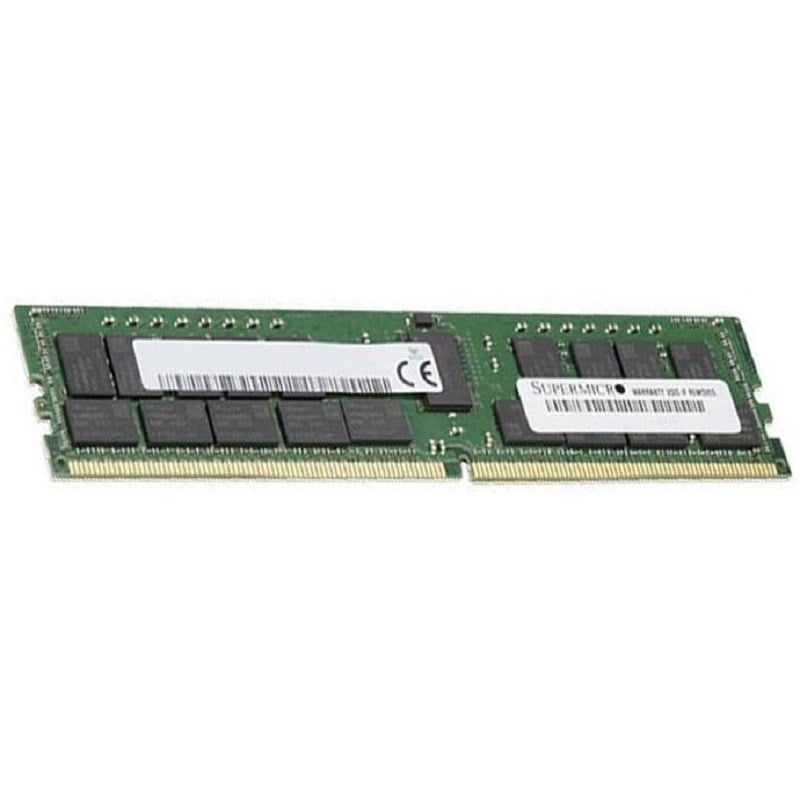
Overview Super Micro MEM-DR532L-HL01-ER48 Memory Module
In this description, we will dive deep into understanding the Super Micro MEM-DR532L-HL01-ER48 memory module, which is a crucial component for servers and high-performance computing systems. We will break down its specifications, its importance, and how it contributes to the overall performance of servers.
The Super Micro MEM-DR532L-HL01-ER48 is a 32-gigabyte (GB) memory module designed for use in servers and other enterprise-grade computing systems. This memory module is part of the DDR5 (Double Data Rate 5) family, which represents the latest generation of DDR memory technology, offering significant improvements over its predecessors in terms of speed, capacity, and reliability.
Understanding DDR5 Technology with 32GB PC5-38400 Memory
- DDR5: DDR5 is the fifth generation of DDR Synchronous Dynamic Random-Access Memory (SDRAM) technology. It represents a significant advancement in memory technology, offering improved performance and efficiency compared to DDR4, which was the previous standard. DDR5 memory modules are designed to meet the growing demands of data-intensive applications, including servers, workstations, and high-performance computing clusters.
- Increased Capacity: One of the key advantages of DDR5 is its increased capacity. The Super Micro MEM-DR532L-HL01-ER48 is a 32GB module, which means it can store 32 gigabytes of data. In server environments, where large datasets and applications are common, having access to a substantial amount of memory is essential for smooth and efficient operations.
- Faster Data Transfer Speed: DDR5 also boasts higher data transfer speeds compared to its predecessors. The Super Micro MEM-DR532L-HL01-ER48 operates at 4800 Megahertz (MHz), which represents the memory’s clock speed. A higher clock speed means that data can be read from and written to the memory module at a faster rate, resulting in improved overall system performance.
Error Correction Code (ECC)
Error Correction Code, often abbreviated as ECC, is a vital feature in memory modules, especially in server environments. ECC is a type of memory technology that helps detect and correct errors in data. This is crucial in critical applications where data integrity is of utmost importance.
- Importance of ECC: In servers and enterprise-level systems, data integrity is non-negotiable. The tiniest error in data can lead to catastrophic consequences. ECC memory provides an additional layer of protection by detecting and correcting single-bit errors, ensuring that the data stored and processed remains accurate and reliable.
- How ECC Works: ECC memory works by adding extra bits to each piece of data stored in memory. These extra bits are used to check the integrity of the data. If an error is detected, the ECC system can correct it, preventing data corruption. This is especially important in applications like financial transactions, scientific calculations, and database management.
PC5-38400 Specification
The PC5-38400 specification is an important aspect of the Super Micro MEM-DR532L-HL01-ER48 memory module. It indicates the maximum data transfer rate that the memory module is capable of achieving.
- Data Transfer Rate: The PC5-38400 specification specifies a maximum data transfer rate of 38400 MB/s (megabytes per second). This represents the theoretical peak speed at which data can be read from or written to the memory module. It is important to note that the actual data transfer speed may vary depending on the server’s motherboard, chipset, and memory configuration.
- Matching Processor Speed: The data transfer rate of the memory module needs to match or exceed the speed of the processor to avoid bottlenecks in data processing. In server environments, this matching of speeds is crucial to ensure that the server can operate at its full potential.
Dual Rank X8
The Super Micro MEM-DR532L-HL01-ER48 is specified as a “Dual Rank X8” memory module. Let’s break down what this means:
- Dual Rank: A memory module can be single rank or dual rank, and in some cases, quad rank. In this context, “rank” refers to the number of memory banks on the module. Dual rank memory modules have two sets of memory chips, effectively doubling the number of banks compared to single rank modules. This can lead to improved memory performance in certain scenarios.
- X8: The “X8” designation signifies the organization of the memory chips on the module. In this case, it indicates that the memory module uses x8 (times 8) memory chips. This organization is related to the way data is stored and accessed on the module and is a common arrangement in modern memory technology.
CAS Latency Explained
CAS Latency, often abbreviated as CL, is a critical parameter when evaluating memory modules. It has a direct impact on memory performance and is a measure of the delay in memory access. The Super Micro MEM-DR532L-HL01-ER48 has a CAS Latency of 40.
CAS Latency represents the number of clock cycles that it takes for the memory to respond to a read request. In simpler terms, it measures the delay between when the CPU requests data from the memory and when the data is delivered. Lower CAS Latency values indicate faster memory response times, which can lead to improved system performance, especially in applications that require rapid data access.
The appropriate CAS Latency value depends on the specific requirements of the server or computing system. In some cases, lower CAS Latency is preferred for applications that demand quick data retrieval, while in others, higher CAS Latency might be acceptable if other aspects of memory performance, such as capacity and data transfer speed, are more critical.
Voltage (1.1v) and Power Efficiency
The Super Micro MEM-DR532L-HL01-ER48 memory module operates at a voltage of 1.1 volts (v). This voltage specification is an important factor to consider, especially in data centers and server farms, where power efficiency is a top priority.
- Power Efficiency in Data Centers: Data centers and server farms consume massive amounts of electrical power. Reducing power consumption is not only an environmental concern but also a cost-saving measure. Memory modules that operate at lower voltages, such as the Super Micro MEM-DR532L-HL01-ER48, contribute to power efficiency in data centers.
- Lower Heat Generation: Lower voltage memory modules also tend to generate less heat. Heat generation can be a significant issue in server environments, as excess heat can lead to reduced component lifespan and the need for additional cooling solutions. The 1.1v operation of this memory module helps mitigate these concerns.
SDRAM and 288-pin Rdimm
The Super Micro MEM-DR532L-HL01-ER48 is classified as SDRAM (Synchronous Dynamic Random-Access Memory) and features a 288-pin Rdimm (Registered Dual In-Line Memory Module) form factor. These specifications are essential to understand the compatibility and use cases of the memory module.
- SDRAM – Synchronous Dynamic Random-Access Memory: SDRAM is a type of memory technology that synchronizes data transfer with the clock speed of the system bus. This synchronization allows for faster and more efficient data transfer. It is the most common type of memory used in modern computing systems, including servers.
- 288-pin Rdimm – Registered Dual In-Line Memory Module: The 288-pin Rdimm form factor specifies the physical design and connector type of the memory module. In this case, the module has 288 pins and is of the Rdimm type. Rdimm modules are often used in servers and workstations, and they offer enhanced reliability and stability compared to unbuffered memory modules.
Role of Memory Modules in Server Performance
Understanding the role of memory modules in server performance is crucial for anyone involved in server management, data center operations, or IT infrastructure planning. Memory plays a pivotal role in the overall performance and capabilities of a server.
Data Storage and Retrieval
Servers constantly read and write data as they process requests from clients or users. Memory modules, such as the Super Micro MEM-DR532L-HL01-ER48, provide a high-speed data storage area for the server to work with. Faster memory modules, like DDR5, can significantly reduce the time it takes to access data, improving the server’s responsiveness.
Multitasking and Workload Handling
Servers often run multiple processes and handle numerous requests simultaneously. The server’s memory capacity, indicated by the module’s size (in this case, 32GB), determines how much data and how many processes it can manage concurrently. Servers with larger memory capacities can handle more extensive workloads without experiencing slowdowns.
Data Integrity and Reliability
In server environments, data integrity is paramount. ECC memory, as featured in the Super Micro MEM-DR532L-HL01-ER48, ensures that the data stored in memory remains accurate and reliable, reducing the risk of data corruption and errors in critical applications.
Compatibility and Scalability
The form factor and specifications of the memory module determine its compatibility with the server’s motherboard and chipset. The 288-pin Rdimm form factor is commonly used in server environments, ensuring that the memory module can be easily integrated into a server setup. Additionally, the Super Micro MEM-DR532L-HL01-ER48’s specifications, such as its data transfer rate and CAS Latency, must match the server’s requirements for optimal performance.
Power Efficiency
Reducing power consumption and heat generation is crucial in data center and server farm environments. Memory modules operating at lower voltages, like the Super Micro MEM-DR532L-HL01-ER48 (1.1v), contribute to the overall power efficiency of the server and help mitigate heat-related issues.
Use Cases for Super Micro MEM-DR532L-HL01-ER48
Now that we have a comprehensive understanding of the Super Micro MEM-DR532L-HL01-ER48 memory module, let’s explore some specific use cases where this memory module can shine.
- Enterprise Servers: Enterprise servers are the backbone of large organizations, powering critical applications, databases, and web services. The Super Micro MEM-DR532L-HL01-ER48’s ECC capability ensures data integrity in high-stakes environments. Its large capacity (32GB) can handle the simultaneous demands of multiple users and applications. The high data transfer rate (4800 MHz) ensures that data is quickly accessed, and its 1.1v operation reduces power consumption and heat generation in data centers.
- Cloud Computing: Cloud computing relies on vast data centers with a massive number of servers. These servers must deliver reliable and responsive performance to cloud users. The Super Micro MEM-DR532L-HL01-ER48 is an excellent choice for cloud infrastructure due to its ECC support, which safeguards against data corruption, and its high capacity, enabling the handling of numerous virtual instances. Its power efficiency is valuable in large-scale data centers where energy costs are a significant concern.
- Virtualization: Virtualization technology allows multiple virtual machines (VMs) to run on a single physical server. Each VM requires a portion of the server’s memory, and the server must efficiently manage the memory allocation. The Super Micro MEM-DR532L-HL01-ER48’s 32GB capacity can be divided among VMs, and its fast data transfer speed ensures that VMs operate smoothly. The ECC feature guarantees that data remains accurate within each virtual instance.
- High-Performance Computing (HPC): High-performance computing involves complex simulations, scientific calculations, and data analysis. These applications demand substantial memory capacity and high data transfer speeds. The Super Micro MEM-DR532L-HL01-ER48 excels in HPC environments, where its 32GB capacity accommodates large datasets, its ECC support guarantees precise results, and its high data transfer rate accelerates complex calculations.
- Financial Services: Financial institutions rely on rapid data processing and data accuracy. The Super Micro MEM-DR532L-HL01-ER48’s low CAS Latency (CL 40) ensures quick data access, critical for high-frequency trading and real-time financial analysis. ECC support is vital to maintain data integrity in financial transactions.
General Information for 32GB Memory Module
- Manufacturer: Super Micro
- Part Number or SKU: MEM-DR532L-HL01-ER48
- Device Type: Memory (RAM)
- RAM Type: DDR5 Pc5-38400
Technical Information of Super Micro MEM-DR532L-HL01-ER48 RAM
- Storage Capacity: 32GB
- Memory Technology: DDR5 SDRAM
- Number of Modules: 1 x 32GB
- Bus Speed: 4800MHz DDR5-38400/PC5-4800
- Data Integrity Check: ECC
- Signal Processing: Registered
- CAS Latency Timings: CL40
- Rank Features: 2Rx8
- Form Factor: 288-pin RDIMM
Finally, the Super Micro MEM-DR532L-HL01-ER48 32GB DDR5 memory module is a high-performance and reliable solution for servers and enterprise-grade computing systems. With its DDR5 technology, ECC support, high capacity, fast data transfer rate, low CAS Latency, and power efficiency, it meets the demands of diverse server environments.
Whether used in enterprise servers, cloud computing, virtualization, high-performance computing, or financial services, this memory module enhances data processing, improves data integrity, and contributes to the overall efficiency and reliability of server operations.
Understanding the specifications and significance of memory modules like the Super Micro MEM-DR532L-HL01-ER48 is vital for IT professionals, system administrators, and anyone involved in server management. Making informed choices about memory modules can lead to improved server performance, reduced downtime, and enhanced data security.


