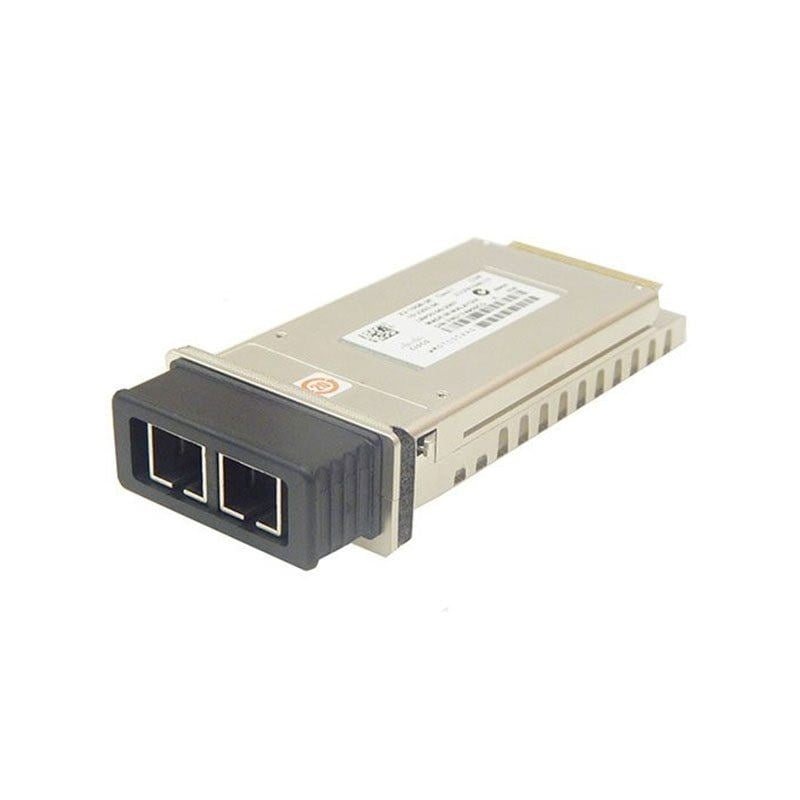
Description
Product Overview of the Qlogic FTLX8574D3BCL-QL Transceiver
In the world of networking, the Qlogic FTLX8574D3BCL-QL SFP-10G-SR transceiver is a crucial component that plays a significant role in ensuring seamless data communication. This transceiver, specifically designed for 10 Gigabit Ethernet applications, operates on short-range multimode fibers with a wavelength of 850nm. In this comprehensive guide, we will delve into the key aspects of the Qlogic FTLX8574D3BCL-QL, exploring its features, applications, installation, and maintenance.
Form Factor and Compatibility
The Qlogic FTLX8574D3BCL-QL transceiver adopts the Small Form-Factor Pluggable (SFP+) design, allowing for hot-swapping and flexibility in various networking devices. It is essential to understand its compatibility with different networking equipment, ensuring seamless integration into your existing infrastructure.
Data Rate and Performance
Operating at a data rate of 10 Gigabits per second, the SFP-10G-SR transceiver provides high-speed connectivity suitable for bandwidth-intensive applications. We’ll explore how this performance level meets the demands of modern networking requirements and aids in the efficient transmission of data.
Wavelength and Multimode Fiber
The transceiver’s utilization of a wavelength of 850nm indicates its compatibility with multimode fibers. We’ll discuss the significance of this wavelength and how it influences the range and effectiveness of data transmission in short-distance applications.
Technical Specifications
Data Rate
The QLogic FTLX8574D3BCL-QL operates at a data rate of 10 Gbps (Gigabits per second). This high-speed data transfer capability is essential for applications that demand rapid and efficient communication.
Connector Type
The transceiver is equipped with a standard LC duplex connector, a widely used connector type in fiber optic networking. This connector ensures a secure and reliable connection between the transceiver and the optical fiber.
Operating Temperature Range
Understanding the environmental conditions in which the transceiver can operate is crucial for its reliability. The QLogic FTLX8574D3BCL-QL has a specified operating temperature range, ensuring its functionality in a variety of ambient conditions.
Power Consumption
Power efficiency is a critical consideration in modern networking equipment. The transceiver’s power consumption specifications provide insights into its energy efficiency and contribute to the overall sustainability of the network infrastructure.
Applications
Understanding where and how the Qlogic FTLX8574D3BCL-QL SFP-10G-SR transceiver fits into your network is crucial for optimal performance. Here are some key applications:
Data Centers
Explore how the transceiver contributes to the high-speed connections within data centers, supporting activities such as server-to-server communication and data storage.
Enterprise Networks
Delve into its role in enterprise networks, facilitating fast and reliable communication between devices, and ensuring smooth business operations.
Telecommunication Systems
Understand the transceiver’s application in telecommunications, where high-speed data transmission is essential for maintaining effective communication channels.
Comparison with Alternatives
To provide a comprehensive understanding, we will compare the Qlogic FTLX8574D3BCL-QL SFP-10G-SR transceiver with other alternatives available in the market. This comparative analysis will consider factors such as price, performance, and compatibility.
General Information about the Qlogic FTLX8574D3BCL-QL
- Manufacturer: Qlogic
- Part Number or SKU# FTLX8574D3BCL-QL
- Product Type: Transceiver Module
Overall, the QLogic FTLX8574D3BCL-QL SFP-10G-SR transceiver stands as a testament to the advancements in networking technology. Its compact design, high-speed capabilities, and compatibility with multimode fiber make it a versatile solution for various networking applications. As networking requirements continue to evolve, the QLogic transceiver remains a reliable choice for those seeking efficient and high-performance connectivity in their networks. Understanding its features, applications, and technical specifications is crucial for network administrators looking to optimize their infrastructure for the demands of the digital age.