


Description
Product Overview
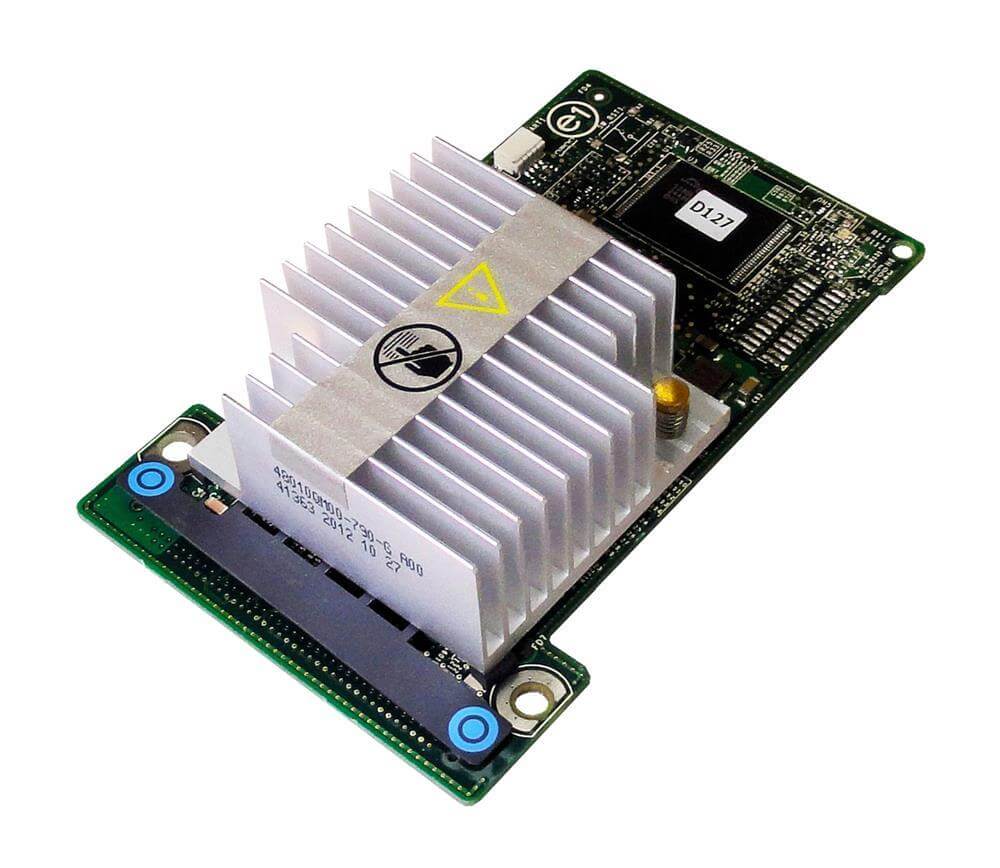
The Dell 0FRH64 Perc H710 Mini Mono is a RAID controller card used to manage storage devices in a computer system. It provides a range of features that enable high-performance, reliability, and flexibility for storage management. In this article, we will explain in detail the features, benefits, and applications of this RAID controller card.
Features and Benefits
The Dell 0FRH64 Perc H710 Mini Mono RAID controller card offers several features that make it a powerful tool for storage management in enterprise-level computer systems. Some of its key features and benefits are discussed below.
High-Speed Data Transfer
The Dell 0FRH64 Perc H710 Mini Mono RAID controller card comes with a 6Gbps SAS interface that enables high-speed data transfer. This means that data can be transferred at a speed of 6Gbps, which is six times faster than the traditional 1Gbps transfer speed. This feature makes the card ideal for applications that require high-speed data transfer, such as large-scale data backup, virtualization, and database management.
RAID Support
The Dell 0FRH64 Perc H710 Mini Mono RAID controller card supports several RAID levels, including RAID 0, 1, 5, 6, 10, 50, and 60. This means that it can be used to manage a variety of storage devices, from single hard drives to large storage arrays. The RAID support also provides data redundancy and protection against data loss, which is critical for enterprise-level data management.
Cache Memory
The Dell 0FRH64 Perc H710 Mini Mono RAID controller card comes with a cache memory of up to 1GB. This cache memory can be used to improve the performance of the storage system by caching frequently accessed data. The cache memory helps to reduce the latency and access time of the storage system, which translates to faster data access and retrieval.
Flexibility
The Dell 0FRH64 Perc H710 Mini Mono RAID controller card provides a high degree of flexibility in terms of storage management. It can be used with a wide range of storage devices, including SAS, SATA, and SSD drives. It also supports hot-swapping of drives, which allows for easy replacement of faulty drives without shutting down the system. The card is also compatible with a wide range of operating systems, including Windows, Linux, and VMware.
Applications
The Dell 0FRH64 Perc H710 Mini Mono RAID controller card can be used in a variety of applications, including:
- Data Backup and Recovery: The high-speed data transfer and RAID support of the card make it ideal for large-scale data backup and recovery.
- Virtualization: The card can be used to manage storage devices in virtualized environments, where high-speed data access and data redundancy are critical.
- Database Management: The card can be used to manage storage devices in database servers, where high-speed data access and data redundancy are critical.
- High-Performance Computing: The card can be used to manage storage devices in high-performance computing environments, where large amounts of data need to be processed quickly and efficiently.
Summary, the Dell 0FRH64 Perc H710 Mini Mono RAID controller card is a powerful tool for storage management in enterprise-level computer systems. Its high-speed data transfer, RAID support, cache memory, and flexibility make it ideal for a wide range of applications, including data backup and recovery, virtualization, database management, and high-performance computing. If you are looking for a reliable and high-performance RAID controller card, the Dell 0FRH64 Perc H710 Mini Mono is an excellent choice.
General Information about the Dell 0FRH64
- Product manufacturer : Dell
- Part Number or SKU# 0FRH64
- Product Type: SAS Controller
Technical Information
- Transfer Rate: 6GB/S
- Density: 512GB
- Form Factor: Mini Mono
- Raid Supported: Yes
- Interface Speed: PCI Express 2.0 X8
- Compatibility: R320 / R420 / R520 / R620 / R720 / R720xd / Storage
- Compellent Sc8000
Contact us or ask for live chat/help if you have any questions about the compatibility of this item to ensure the model’s matching features with your current system.


