

Description
Product Overview of the HPE 100 GBE Transceiver
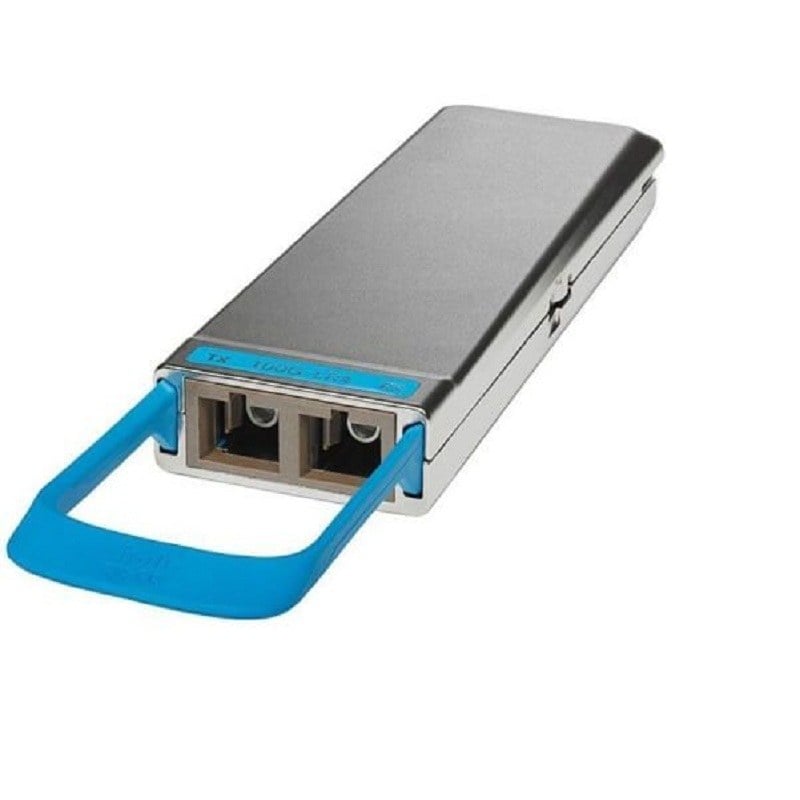
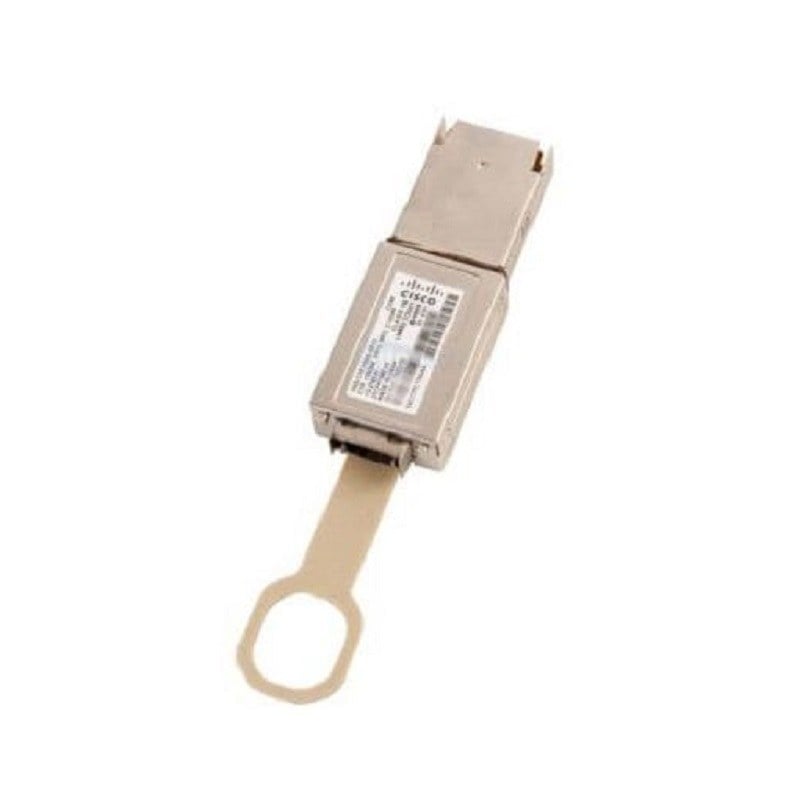
In the world of networking and data transmission, having reliable and high-speed equipment is crucial for businesses and organizations to meet their ever-growing data demands. One such piece of technology is the HPE R1N94A 100 GBE Transceiver, specifically designed to provide efficient data transmission in modern networks. This article will delve into the details of the HPE R1N94A transceiver, breaking down its specifications, features, and applications in a simple, easy-to-understand manner. The HPE R1N94A is a 100 Gigabit Ethernet transceiver that belongs to the family of QSFP28 (Quad Small Form Factor Pluggable 28) transceivers. It is equipped with LC LR (Long Range) technology, allowing it to transmit data over a distance of up to 10 kilometers. To understand this transceiver better, let’s break down its key features and specifications.
Key Features of HPE R1N94A TransceiverForm Factor
The HPE R1N94A transceiver follows the QSFP28 form factor, which is a small and hot-pluggable module commonly used in high-speed network equipment.
Data Rate
This transceiver supports a blazingly fast data rate of 100 Gigabits per second (100 Gbps), making it ideal for high-bandwidth applications.
LC LR Technology
LC (Lucent Connector) LR (Long Range) technology enables data transmission over long distances, up to 10 kilometers. This is particularly useful for connecting devices across large data centers or campuses.
Compatibility
The HPE R1N94A is designed to work seamlessly with Hewlett Packard Enterprise (HPE) networking equipment, ensuring reliability and performance in HPE network environments.
Hot-Pluggable
Being hot-pluggable means that you can insert or remove the transceiver while the network equipment is still operating, without causing downtime or disruptions.
Low Power Consumption
It is energy-efficient and designed to consume minimal power while delivering high-speed data transmission.
Durable Design
The HPE R1N94A is built to withstand the demands of enterprise networks with a rugged and durable design.
Applications of HPE R1N94A Transceiver
Now that we have a good understanding of the HPE R1N94A’s features and specifications, let’s explore its practical applications in the world of networking and data transmission.
Data Centers
High-speed data transmission is paramount in data centers where vast amounts of information are processed and stored. The HPE R1N94A transceiver, with its 100 Gbps data rate and long-range capabilities, plays a crucial role in connecting servers and networking equipment in data centers. It enables efficient communication between different parts of the data center, ensuring rapid data transfer and minimal latency.
Campus Networks
Educational institutions, large corporations, and government offices often have expansive campus networks that require reliable and high-speed connectivity. The HPE R1N94A transceiver’s long-range capabilities make it an excellent choice for connecting buildings and facilities within a campus, ensuring seamless data transmission.
Cloud Service Providers
Cloud service providers rely on robust and high-performance networking infrastructure to deliver services to clients worldwide. The HPE R1N94A transceiver is a suitable choice for cloud providers as it can support the high data transfer demands of cloud applications.
Telecommunications
The telecommunications industry depends on high-speed data transmission to provide services such as internet connectivity, voice communication, and video streaming. The HPE R1N94A transceiver is a valuable component in telecom networks, enabling the efficient transfer of data over long distances.
High-Performance Computing
In scientific research, simulations, and other HPC applications, fast data exchange is crucial. The HPE R1N94A transceiver aids in connecting high-performance computing clusters, enabling researchers to perform complex calculations and simulations with minimal delay.
Video Streaming and Broadcasting
For media companies and broadcasters, the demand for high-quality video streaming is on the rise. The HPE R1N94A transceiver can support high-bandwidth video transmission, ensuring a smooth and uninterrupted viewing experience for audiences.
Financial Institutions
Financial institutions require secure and high-speed connections to support trading and financial transactions. The HPE R1N94A transceiver assists in connecting trading servers and ensuring real-time data exchange in the financial sector.
Benefits of Using HPE R1N94A Transceiver
The HPE R1N94A transceiver offers several benefits that make it an attractive choice for various networking scenarios:
High Data Rate
With a data rate of 100 Gbps, the HPE R1N94A provides exceptionally fast data transmission, ideal for handling large volumes of data quickly and efficiently.
Long-Range Capability
The LC LR technology allows data to be transmitted over distances of up to 10 kilometers, making it suitable for connecting devices in large data centers, campuses, and other expansive network environments.
Compatibility
Designed to work seamlessly with HPE networking equipment, the HPE R1N94A ensures a high level of compatibility and reliability in HPE network setups.
Hot-Pluggable
The hot-pluggable feature enables network administrators to install or replace the transceiver without shutting down the network, reducing downtime and disruptions.
Energy-Efficient
The HPE R1N94A is designed with low power consumption in mind, contributing to energy efficiency and reduced operating costs.
Durable Design
Its rugged and durable design ensures the transceiver can withstand the demands of enterprise networking environments, where reliability is essential.
HPE R1N94A Transceiver Works
To appreciate the functionality of the HPE R1N94A transceiver, it’s helpful to have a basic understanding of how transceivers work in a network environment.
Transmitting Data
When a device, such as a server, wants to send data to another device in the network, the data is converted into electrical signals within the server.
Electrical to Optical Conversion
The transceiver comes into play here. It receives these electrical signals and converts them into optical signals using a laser or light-emitting diode (LED). This process is known as optical modulation.
Optical Transmission
The transceiver then sends these optical signals through a fiber-optic cable to the receiving device, which could be another server, switch, or router.
Optical to Electrical Conversion: At the receiving end, another transceiver converts the optical signals back into electrical signals, which the receiving device can understand.
Data Reception
The receiving device processes these electrical signals as data, allowing it to retrieve the information sent by the transmitting device. The HPE R1N94A transceiver is designed to handle these conversions efficiently, ensuring that data is transmitted accurately and at high speeds. Its long-range capabilities make it suitable for scenarios where data needs to travel over extended distances without signal degradation.
General Information about the HPE R1N94A Transceiver
- Manufacturer: HPE
- Model Number or SKU# R1N94A
- Product Type: Transceiver
Technical information of the HPE 100GB Transceiver
- Form Factor: Plug-in Module
- Connectivity Technology: Wired
- Cabling Type: 100gbase-lr4
- Data Link Protocol: 100 Gigabit Ethernet
- Data Transfer Rate: 100 Gbps
- Max Transfer Distance: 6.2 Miles
- Interfaces: 1 X Ethernet 100gbase-lr4 – Lc Single-mode
In summary, the HPE R1N94A 100 Gigabit Ethernet (GBE) Transceiver, with its high data rate, long-range capabilities, and compatibility with HPE networking equipment, plays a pivotal role in modern network environments. Whether you are managing a data center, a campus network, or a cloud service, this transceiver can meet the demands of high-speed data transmission. Understanding its features, technical specifications, and applications, as well as following best practices for installation and maintenance, is essential for harnessing the full potential of the HPE R1N94A transceiver. While it is a robust and reliable piece of networking equipment, being prepared to troubleshoot common issues ensures uninterrupted network performance.
In a world where data is at the heart of business operations, having the right networking equipment, such as the HPE R1N94A transceiver, is a critical part of maintaining efficiency and reliability in data transmission. As technology continues to advance, transceivers like the HPE R1N94A will continue to play a central role in shaping the future of high-speed data networks.