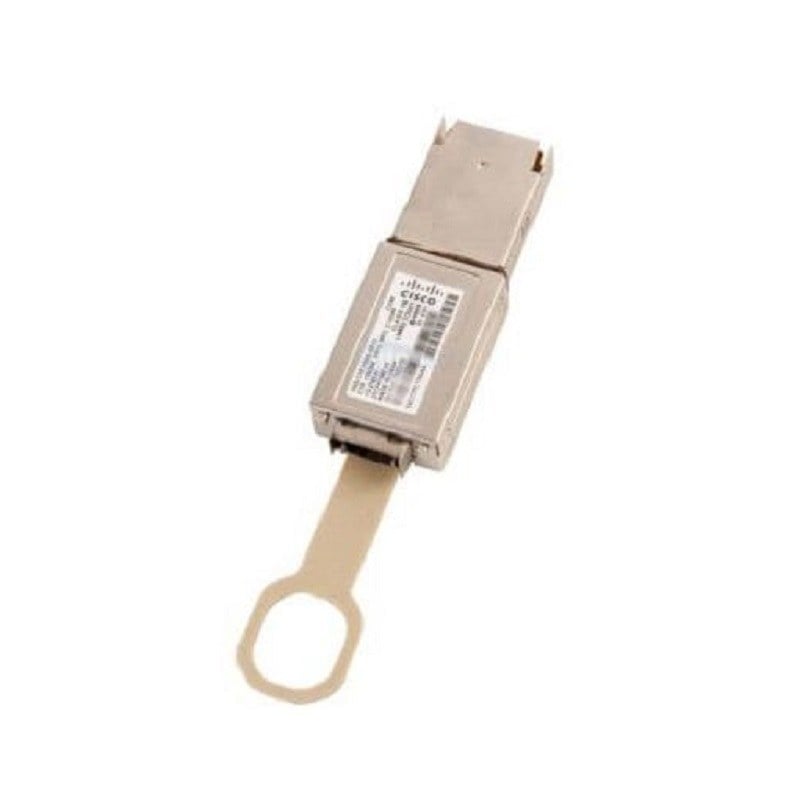


Description
Product Details of the Dell PJ62G Transceiver Module
In the realm of networking and data transmission, Dell has consistently been at the forefront of delivering cutting-edge solutions. The Dell PJ62G, a 100G QSFP28-FR PSM4 MPO Transceiver, represents a significant advancement in high-speed connectivity. In this comprehensive review, we will delve into the key features, specifications, and performance capabilities of the Dell PJ62G, shedding light on its role in elevating data transmission in modern network environments.
Overview of Dell PJ62G
The Dell PJ62G is a 100G QSFP28-FR PSM4 MPO Transceiver, designed to meet the demands of high-performance data centers and networking infrastructures. With its Quad Small Form-factor Pluggable 28 (QSFP28) design and Parallel Single-Mode 4 (PSM4) technology, this transceiver is geared towards providing reliable and high-speed data transmission. Let’s explore the features that make the Dell PJ62G a notable player in the world of optical transceivers.
100G Data Transmission: Unleashing High-Speed Connectivity
At the heart of the Dell PJ62G is its capability for 100G data transmission. The QSFP28 form factor ensures that this transceiver can deliver high-speed connectivity suitable for a variety of applications. Whether in data centers, enterprise networks, or telecommunications, the 100G capacity of the PJ62G positions it as a solution for environments where rapid and large-scale data transfer is a necessity.
QSFP28 Form Factor: Compact and High-Performance Design
The QSFP28 form factor is a crucial aspect of the Dell PJ62G’s design. Quad Small Form-factor Pluggable (QSFP) transceivers are known for their compact size and high performance, making them suitable for densely populated networking environments. The small form factor allows for greater port density, enabling efficient use of space in networking equipment and facilitating the creation of high-capacity and low-latency networks.
PSM4 Technology: Enhancing Single-Mode Performance
The Dell PJ62G employs Parallel Single-Mode 4 (PSM4) technology, which is instrumental in enhancing the performance of single-mode optical fibers. PSM4 divides the incoming and outgoing signals into four separate channels, each transmitted and received independently. This parallel approach optimizes data transfer and contributes to the overall efficiency of the transceiver, especially in scenarios where long-distance communication is a requirement.
MPO Connector: Streamlining Multi-Fiber Connectivity
The MPO (Multi-Fiber Push-On) connector is a notable feature of the Dell PJ62G, facilitating the connection of multiple optical fibers within a single, compact interface. MPO connectors are commonly used in high-density applications, such as data centers, where space optimization and efficient cable management are essential. The MPO connector streamlines the connectivity process, enabling quick and reliable links between the transceiver and the optical network.
Forward Error Correction (FEC): Ensuring Data Integrity
Data integrity is paramount in high-speed data transmission, and the Dell PJ62G incorporates Forward Error Correction (FEC) to enhance the reliability of data transfer. FEC is a technique that enables the detection and correction of errors in transmitted data, reducing the likelihood of data corruption. This feature is especially critical in mission-critical applications where data accuracy is non-negotiable.
Hot-Pluggable Design: Minimizing Downtime
The hot-pluggable design of the Dell PJ62G adds a layer of convenience to its deployment. Hot-pluggable transceivers can be inserted or removed from a network device without shutting down the entire system, minimizing downtime and allowing for easier maintenance and upgrades. This feature contributes to the overall reliability and flexibility of the transceiver in dynamic networking environments.
DOM Support Transceiver Parameters
Digital Optical Monitoring (DOM) support is a feature that allows the monitoring of various parameters within the transceiver, providing real-time information about its performance. Parameters such as optical power, temperature, and voltage can be monitored using DOM, enabling network administrators to proactively manage and troubleshoot issues, contributing to the overall stability of the network.
Compatibility and Interoperability
Ensuring compatibility and interoperability is crucial in the deployment of optical transceivers, and the Dell PJ62G is designed with these considerations in mind. The transceiver is compatible with a range of Dell networking equipment and adheres to industry standards, ensuring seamless integration into existing networks. This compatibility and interoperability make the PJ62G a versatile solution for organizations with diverse networking environments.
Performance Benchmarks
To truly gauge the capabilities of the Dell PJ62G, it’s essential to examine its performance benchmarks. The transceiver excels in providing reliable and high-speed data transmission, meeting the demands of bandwidth-intensive applications. Real-world testing scenarios showcase its ability to handle the rigorous requirements of modern networking environments, making it a valuable asset for organizations with data-intensive workloads.
Considerations for Implementation
While the Dell PJ62G offers an array of impressive features, organizations must consider specific use cases and requirements before integrating this transceiver into their networks. Factors such as the network architecture, the distance of data transmission, and compatibility with existing equipment should be carefully evaluated to ensure optimal performance and seamless integration.
General Information about the Dell PJ62G
- Manufacturer: Dell
- Model Number or SKU# PJ62G
- Product Type: Transceiver Module
Finally, the Dell PJ62G 100G QSFP28-FR PSM4 MPO Transceiver stands out as a high-performance solution for organizations seeking reliable and high-speed connectivity. Its 100G data transmission capacity, QSFP28 form factor, PSM4 technology, and advanced features like FEC and DOM support make it a formidable player in the world of optical transceivers. The compact design, hot-pluggable capability, and compatibility with industry standards further enhance its appeal for organizations looking to optimize their networking infrastructure.