

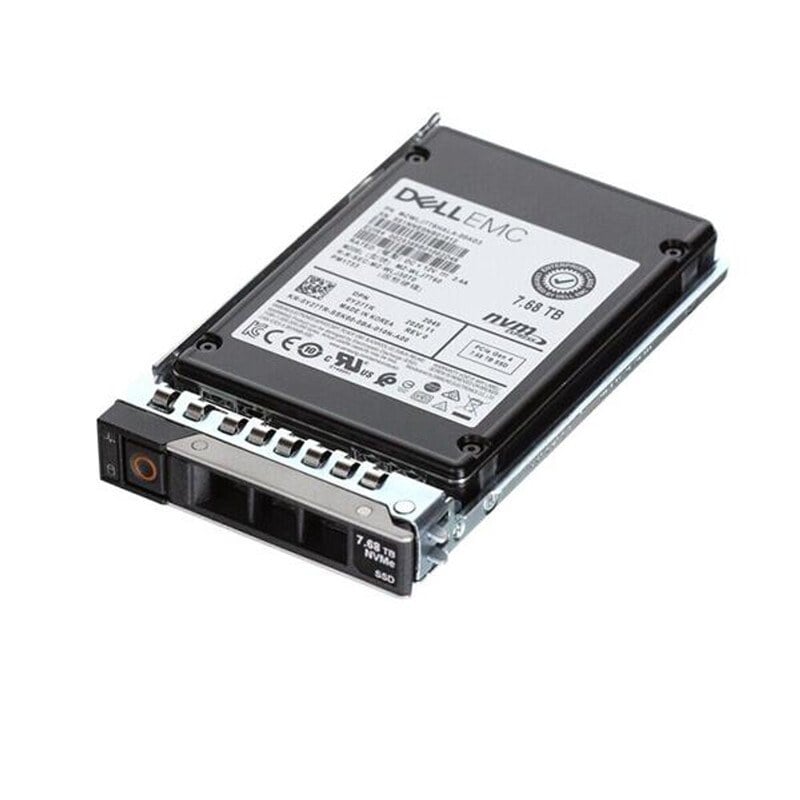


Description
More Information on the Dell RM2RW 7.68TB Solid State Drive PCI-E
The world of data storage is constantly evolving, with new technologies emerging to meet the demands of modern computing. One such innovation is the DELL RM2RW 7.68TB PCIe TLC NVMe Express Flash SSD. In this comprehensive guide, we will delve into the intricacies of this cutting-edge solid-state drive (SSD), exploring its features, benefits, and applications.
Understanding the Basics of Storage
Before we dive into the specifics of the DELL RM2RW SSD, let’s first establish a foundational understanding of storage technology. Traditionally, data storage devices have relied on spinning magnetic disks, known as hard disk drives (HDDs), to store and retrieve data. While HDDs have served as the primary storage solution for decades, they come with limitations in terms of speed, durability, and power efficiency.
DELL RM2RW SSD
The DELL RM2RW 7.68TB PCIe TLC NVMe Express Flash SSD is a cutting-edge storage solution that embodies the latest innovations in storage technology. Let’s delve into its name to grasp the essence of its capabilities:
Capacity
The “7.68TB” capacity signifies the immense storage space provided by the SSD, totaling 7.68 terabytes. This expansive capacity caters to diverse needs, ranging from enterprise data centers to high-performance computing environments.
Interface
The “PCIe” (Peripheral Component Interconnect Express) interface denotes the communication protocol utilized by the SSD to interact with the host system. PCIe offers significantly enhanced bandwidth compared to traditional interfaces like SATA, enabling swifter data transfer speeds.
NAND Flash Technology
The “TLC” (Triple Level Cell) designation indicates the type of NAND flash memory incorporated into the SSD. TLC NAND strikes a balance between cost, capacity, and performance, rendering it ideal for mainstream storage applications.
Protocol
The “NVMe” (Non-Volatile Memory Express) protocol is a high-performance interface tailored specifically for SSDs. NVMe substantially reduces latency and maximizes throughput, unlocking the full potential of modern flash storage technology.
Usage
The “Express Flash Ent Read Intensive” classification underscores the SSD’s intended utilization. Tailored for read-intensive workloads such as data analytics, content delivery, and virtualization, this SSD excels in scenarios necessitating rapid data access.
Key Features and Benefits
Now that we’ve deconstructed the nomenclature of the DELL RM2RW SSD, let’s delve into its key features and the advantages they offer:
Exceptional Performance
The DELL RM2RW SSD harnesses the power of its PCIe interface and NVMe protocol to deliver remarkable read and write speeds. This translates to reduced data access times and heightened system performance across the board.
High Capacity
Boasting a capacious 7.68TB storage capacity, this SSD accommodates large datasets, multimedia files, and virtual machine images with ease. Its expansive storage makes it an ideal choice for applications demanding substantial storage resources.
Reliability and Durability
SSDs inherently exhibit superior reliability and durability compared to traditional HDDs, owing to their absence of moving parts. The DELL RM2RW SSD further fortifies reliability through features like error correction, wear leveling, and power-loss protection, ensuring data integrity even in adverse conditions.
Energy Efficiency
By leveraging flash memory technology, the DELL RM2RW SSD consumes less power than conventional HDDs. This results in reduced operating costs and a diminished environmental footprint, making it an environmentally conscious choice for organizations.
Scalability
Designed with scalability in mind, the DELL RM2RW SSD empowers organizations to expand their storage infrastructure as needed. Whether deploying a single SSD or constructing a comprehensive storage array, this SSD offers the flexibility to grow alongside evolving business demands.
Applications and Use Cases
The DELL RM2RW SSD finds application across a diverse array of industries and use cases. Some prominent applications include:
Enterprise Data Centers
In large-scale data center environments, the DELL RM2RW SSD accelerates data processing tasks, enhances virtual machine performance, and improves overall system responsiveness.
Big Data Analytics
For organizations engaged in real-time analysis of vast datasets, this SSD minimizes data processing times, facilitating expedited insights and informed decision-making.
Content Delivery Networks (CDNs)
Deployed within CDN frameworks, the DELL RM2RW SSD enhances content delivery speeds, reduces latency, and elevates the end-user experience for streaming media, gaming, and other online services.
Virtualization
In virtualized environments like cloud computing platforms and virtual desktop infrastructure (VDI) setups, this SSD amplifies VM performance, streamlines resource allocation, and optimizes workload management.
High-Performance Computing (HPC)
Within HPC clusters and supercomputing environments, the DELL RM2RW SSD accelerates scientific simulations, complex modeling tasks, and other compute-intensive workloads, fostering faster time-to-insight and groundbreaking discoveries.
General Information about this Dell RM2RW 7.68TB SSD PCI-E Nvme
- Manufacturer: Dell
- Part Number or SKU# RM2RW
- Product name: Solid State Drive
Technical Information of 7.68TB PCI-E
- Device Type: Solid State Drive – Internal
- Capacity: 7.68 terabytes
- Interface: PCI Express 4.0 x4 (NVMe)
- Form Factor: U.2 15mm 2.5-inch
- Features: Read Intensive
Compatibility Information of TLC
- PowerEdge FC640
- PowerEdge M640
Finally, the DELL RM2RW 7.68TB PCIe TLC NVMe Express Flash SSD represents a state-of-the-art storage solution designed to meet the demands of modern computing environments. With its exceptional performance, high capacity, and versatility, this SSD is poised to drive innovation across a wide range of industries and applications. Whether powering enterprise data centers, accelerating big data analytics, or enhancing content delivery networks, the DELL RM2RW SSD stands as a testament to the ongoing evolution of storage technology.


