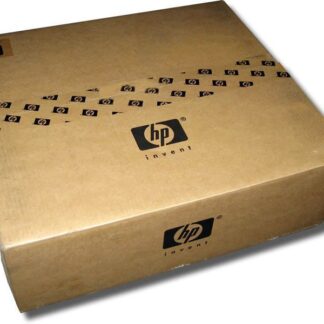


Description
Virtual Switching Framework
Virtual Switching Framework (VSF) is a technology in networking that enables the creation of multiple virtual switches on a single physical switch. This technology provides advanced network segmentation and eliminates the need for multiple physical switches, reducing the number of network devices and reducing network complexity.
VSF allows multiple virtual switches to share the same physical resources and provides separate virtual switches with their own network and security configurations, making it easier to manage and maintain large networks. This also allows for efficient and flexible network design, where different virtual switches can be assigned to different departments or functions, providing isolated and secure networks.
Moreover, VSF also provides enhanced disaster recovery and business continuity features by providing failover mechanisms for virtual switches in the event of a network failure. This enhances network availability and reduces downtime, ensuring a more reliable network.
Switch Series Comparison
Switch series comparison refers to the process of comparing different models or series of switches offered by a manufacturer. This comparison is typically done to help identify the key differences between the switches and determine which switch is the best fit for a particular network setup and application.
When comparing switch series, some of the factors that are typically considered include:
- Number of ports: This refers to the number of Ethernet ports available on the switch.
- Speed: This refers to the maximum data transfer rate of each port on the switch.
- Features: This includes advanced features such as Quality of Service (QoS), Virtual LANs (VLANs), Link Aggregation and Trunking, and Power Over Ethernet (PoE).
- Management: This refers to the options available for configuring and managing the switch, such as web interface, command-line interface (CLI), and remote management protocols.
- Performance: This refers to the switch’s ability to handle large amounts of data and maintain high-speed performance even under heavy loads.
- Scalability: This refers to the switch’s ability to grow and evolve as network requirements change over time.
- Cost: This refers to the overall cost of the switch, including upfront costs as well as any ongoing costs for maintenance and support.
By comparing the different switch series offered by a manufacturer, organizations can make informed decisions about which switch is best suited for their specific needs and requirements.
Power over Ethernet (PoE)
Power over Ethernet (PoE) is a technology that allows electrical power to be transmitted over standard Ethernet cables. This enables network devices, such as IP cameras, wireless access points, and phones, to receive both data and power from the network, without the need for a separate power supply.
PoE works by transmitting power on the unused wires within an Ethernet cable, while still allowing data to be transmitted over the same cable. The PoE technology is based on the IEEE 802.3af and 802.3at standards, which define the amount of power that can be transmitted over the Ethernet cable.
There are two main types of PoE: Endspan and Midspan. Endspan PoE is integrated into the Ethernet switch and provides power to the devices directly, while Midspan PoE is provided by an external device that sits between the switch and the powered device.
The HPE JL319-61001 Aruba 2930M switch supports PoE, which allows for flexible and cost-effective deployment of powered devices. With PoE, you can save on the costs associated with installing separate electrical outlets and power supplies, and reduce the complexity of the installation process.
PoE is a key feature of the HPE Aruba 2930M, and can be used to power a range of network devices, such as IP phones, wireless access points, and security cameras. By using PoE, you can simplify the deployment and management of your network, while reducing power and cabling costs.
Main Information about the HPE JL319-61001
- Manufacturer: HPE
- Part Number or SKU# JL319-61001
- Product Model: 2930M
- Product Name: 2930M 24G 1 – Slot Switch
- Product Type: Ethernet Switch
Interface/Ports
- Total Number of Ports: 24
Network & Communication
- Layer Supported : 2