

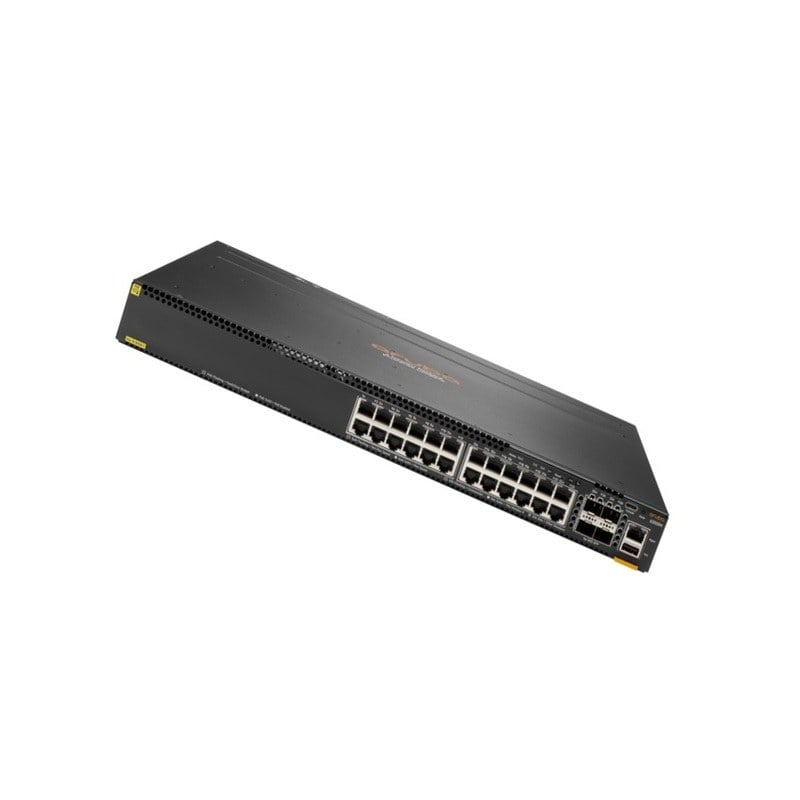


Description
Safe Network Operations
Safe network operations refer to the measures that are taken to ensure the security and stability of a network. This involves implementing a range of security measures, policies, and procedures to prevent unauthorized access, protect sensitive data, and maintain the integrity and reliability of the network.
Safe network operations are critical to ensure that the network provides a high level of performance, reliability, and security. Some common measures that can be taken to ensure safe network operations include:
- Access Control: Implementing measures to control who has access to the network, such as authentication and authorization systems, and firewalls.
- Encryption: Using encryption to protect sensitive data and information as it is transmitted over the network.
- Network Segmentation: Segmenting the network into smaller, isolated sections to limit the spread of security threats and prevent unauthorized access.
- Network Monitoring: Monitoring the network for suspicious activity and unauthorized access, and implementing tools to detect and respond to security threats.
- Network Maintenance: Regularly updating network devices and software to ensure that they are secure and up-to-date with the latest security patches and updates.
The HPE Aruba 6300M 24 Ports Ethernet Switch supports safe network operations by providing advanced security features, such as access control, encryption, and network monitoring. This helps to ensure that the network is protected from security threats and that sensitive data is protected as it is transmitted over the network.
Deployment Considerations
Deployment considerations refer to the factors that need to be taken into account when deploying a network device, such as the HPE Aruba 6300M 24 Ports Ethernet Switch. These considerations are important because they can affect the performance, reliability, and overall success of the network deployment. Some of the key deployment considerations for the JL662A switch include:
- Network Architecture: It is important to understand the existing network architecture and how the switch will fit into the overall network design. This includes considering the number of devices that will be connected to the switch, the types of devices, and their location.
- Cabling Requirements: The switch needs to be connected to the network using the appropriate cabling, such as Category 5, Category 5e, or Category 6 Ethernet cable. It is important to ensure that the cabling is of high quality and can support the required network speeds.
- Power Requirements: The switch requires a power source to operate. It is important to ensure that there is an available power outlet near the switch location and that the power source meets the requirements of the switch.
- Network Management: The switch needs to be managed and configured to meet the specific requirements of the network. This includes setting up VLANs, configuring Quality of Service (QoS), and implementing security policies.
- Firmware Updates: It is important to keep the switch’s firmware up to date to ensure that it is functioning optimally and is protected against security vulnerabilities.
- Physical Deployment: The switch needs to be installed in a secure location that is easily accessible for maintenance and management. The switch should be mounted in a rack or on a wall using the appropriate hardware.
By taking these deployment considerations into account, it is possible to deploy the HPE Aruba 6300M 24 Ports Ethernet Switch in a way that meets the needs of the network and ensures that it operates optimally.
High-Speed Network Connectivity
High-speed network connectivity refers to the capability of a network to transmit and receive data at high speeds. This is achieved by using high-speed networking technologies and protocols, such as Gigabit Ethernet, 10 Gigabit Ethernet, and 40 Gigabit Ethernet. High-speed connectivity is essential for modern networks that need to support bandwidth-intensive applications, such as video conferencing, cloud computing, and big data processing.
High-speed connectivity can help improve the overall performance of a network by reducing the amount of time it takes to transfer large amounts of data between devices. This can result in faster response times and reduced latency, making it possible to run demanding applications and services more efficiently. Additionally, high-speed connectivity can support more users and devices, making it possible to scale networks as needs change over time.
In the case of the HPE Aruba 6300M 24 Ports Ethernet Switch, the 24 Ethernet ports provide high-speed connectivity, making it possible to connect multiple devices and endpoints to the network. This helps to create a fast and reliable network that can support a wide range of applications and services.
General Information about the HPE JL662A
- Manufacturer: HPE
- Model Number or SKU# JL662A
- Product Series: CX 6300
- Product Type: Ethernet Switch
Interfaces / Ports of Ethernet Switch
- Total Number of Network Ports: 24
- Uplink Port: Yes
- Modular: Yes
- Stack Port: Yes
- Port/Expansion Slot Details: 24 x Gigabit Ethernet PoE+
- Port/Expansion Slot Details :4 x 50 Gigabit Ethernet Uplink
Media & Performance for 24 Port Switch
- Media Type Supported: Optical Fiber
- Media Type Supported: Twisted Pair
- Ethernet Technology: 50 Gigabit Ethernet
- Ethernet Technology: Gigabit Ethernet
- Network Technology: 50GBase-X
- Network Technology: 10/100/1000Base-T
I/O Expansions
- Number of Total Expansion Slots: 4
- Expansion Slot Type: SFP
- Number of SFP Slots :4
Network & Communication
- Layer Supported: 3


