

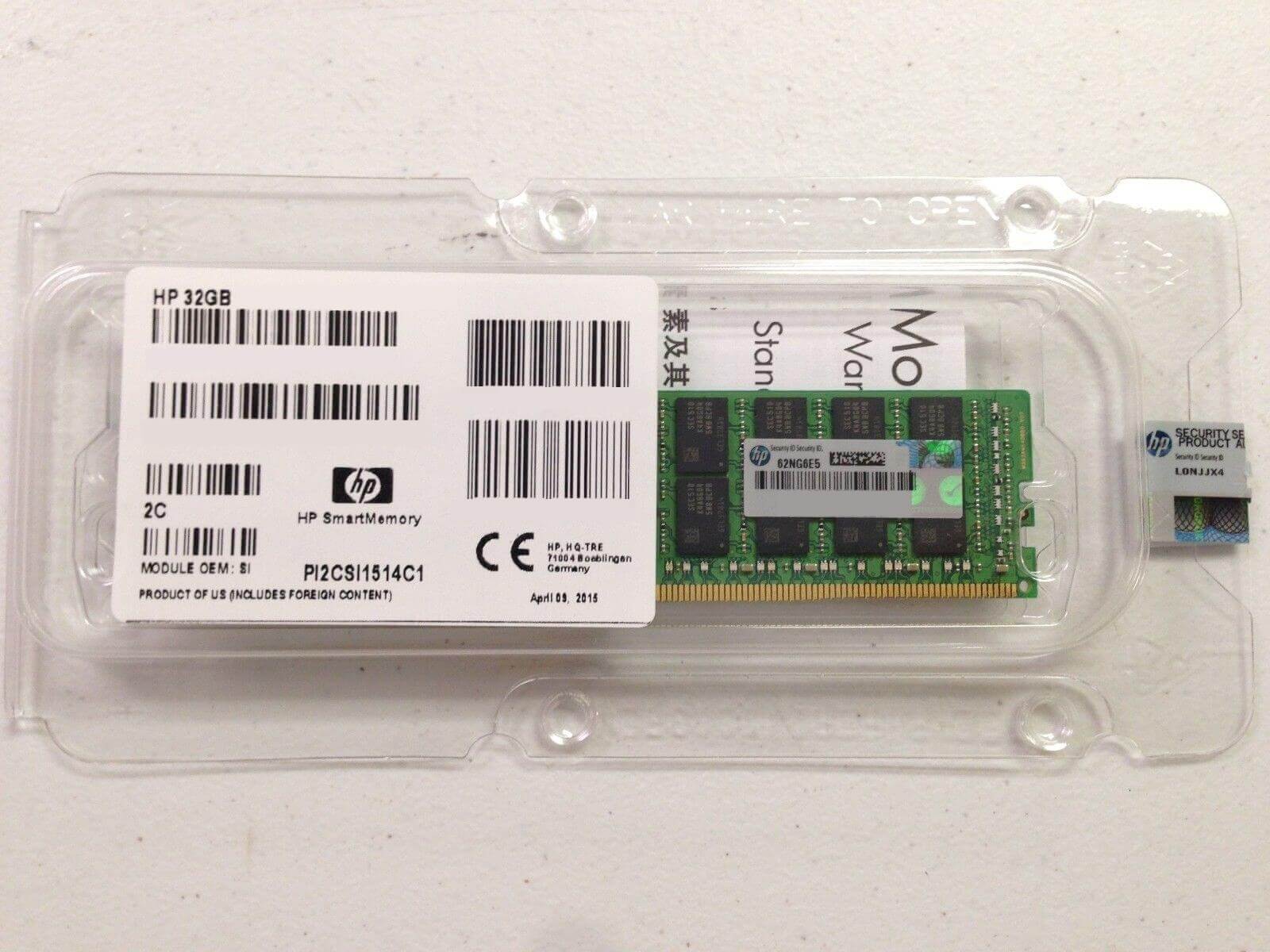
Description
Introduction to P25203-B21 HPE 32 GB 3200 MHz DDR4 SDRAM Memory
P25203-B21 HPE 32 GB 3200 MHz DDR4 SDRAM Memory is a high-performance memory module designed for use with HPE servers. DDR4 SDRAM (Double Data Rate 4 Synchronous Dynamic Random-Access Memory) is the latest generation of memory technology and offers improved performance over previous generations of memory, such as DDR3.
This module has a capacity of 32 GB and a speed of 3200 MHz, which is a measure of the number of data transfers that can occur per second. The higher the speed, the faster the data can be transferred, which can result in improved system performance. Additionally, this memory module is PC4-25600 compliant which means that it can handle a transfer rate of up to 25,600 MB/s.
P25203-B21 HPE 32 GB 3200 MHz DDR4 SDRAM Memory is also equipped with ECC (Error Correction Code) technology, which helps to ensure the integrity of data by detecting and correcting errors that may occur during data transfer. This is particularly important in critical applications such as databases, where data integrity is crucial.
Comparison of DDR4 and Previous Memory Generations
DDR4 is the latest generation of memory technology and offers several improvements over previous generations of memory, such as DDR3.
- Speed: DDR4 has a faster clock speed than DDR3, which means that it can transfer data faster. This can result in improved system performance, particularly for high-demand applications.
- Capacity: DDR4 has a higher maximum capacity than DDR3. This means that more memory can be installed in a system, which can improve performance by allowing the system to handle more data at once.
- Power Consumption: DDR4 has a lower power consumption than DDR3. This is because it uses a lower voltage, which helps to reduce the power required to transfer data. This can result in a reduction in energy costs and an increase in battery life for mobile devices.
- Error Correction: DDR4 has built-in ECC (Error Correction Code) technology, which helps to ensure the integrity of data by detecting and correcting errors that may occur during data transfer. This is particularly important in critical applications such as databases, where data integrity is crucial.
- Scalability: DDR4 is more scalable than DDR3, which means that it can handle more data as technology and requirements evolve.
The Impact of Increased Memory Capacity on System Performance
Increasing the amount of memory (or RAM) in a system can have a significant impact on performance. A few ways that increased memory capacity can improve system performance include:
- Improved multitasking: With more memory, a system can handle more tasks at once. This means that you can have more applications open and running smoothly at the same time.
- Faster application loading: With more memory, applications load faster. This is because the system can store more data in memory, so the application doesn’t have to go to the hard drive as often to load data.
- Better handling of large data sets: With more memory, a system can handle larger data sets, such as high-resolution images, videos, and 3D models.
- Improved virtualization: With more memory, a system can support more virtual machines. This is because each virtual machine requires its own memory, and more memory means that more virtual machines can be run simultaneously.
- Reduced hard drive access: With more memory, a system can store more data in memory, which reduces the number of times the system needs to access the hard drive. This can result in a significant performance improvement, particularly for systems with slow hard drives.
- Improved system responsiveness: With more memory, a system can respond faster to user inputs and perform operations more quickly.
- Reduced risk of system crash: With more memory, a system can handle more data and applications, which reduces the risk of system crash.
- Improved gaming performance: With more memory, a system can handle larger and more complex game environments. This can result in improved frame rates and better overall gaming experience.
- Enhanced video editing performance: With more memory, a system can handle larger and more complex video projects. This can result in improved video editing performance and better overall video quality.
- Improved data analysis and crunching: With more memory, a system can handle larger and more complex data sets. This can result in improved data analysis and crunching performance.
General Information
- Manufacturer: HPE
- Manufacturer Part Number: P25203-B21
- Type: Memory (RAM)
- Sub-Type: PC4-25600
- Product Name: HPE Smartmemory-DDR4-32GB-Dimm 288-Pin-Registered Memory
- Product Type: Ram Module
Technical Information
- Storage Capacity: 32GB
- Memory Type: DDR4 SDRAM – Dimm 288-Pin
- Number Of Modules: 1 X 32GB
- Memory Speed: 3200mhz (PC4-25600)
- Features: Dual Rank, Registered
- Chips Organization: X8
- Error Checking: Ecc
- Voltage: 1.2v
- Latency Timings: Cl22 (22-22-22)
- Upgrade Type: System Specific
- Device Supported: Server
Compatibility Information
- Designed For: HPE Proliant Dl325 Gen10 Plus, Dl385 Gen10 Plus, Dl385 Gen10 Plus Entry


